
JOHANNESBURG – Water and Sanitation Minister Pemmy Majodina has authorised Rand Water to abstract additional water from the Integrated Vaal River System as part of urgent interventions to stabilise Gauteng’s strained water supply network.
The decision follows severe disruptions recently leaving large parts of Johannesburg without water for weeks. According to Majodina, this was due to several electro-mechanical failures at Rand Water’s Palmiet and Zuikerbosch pump stations, coupled with a major pipe burst at the Klipfontein reservoir, significantly reducing the supply of treated water to municipalities across Gauteng.
Although Rand Water restored operations and resumed its full supply capacity of 5 000 million litres per day by 4 February, many municipal reservoirs were depleted during the disruption period, particularly in high-lying areas, leaving many communities without water. Low-lying areas were unaffected by supply disruptions.
According to the Department of Water and Sanitation, recovery efforts were further hampered by a heatwave in the province since early February, which resulted in increased water consumption in areas still receiving supply and delayed the replenishment of municipal storage systems.
Coordinated national intervention
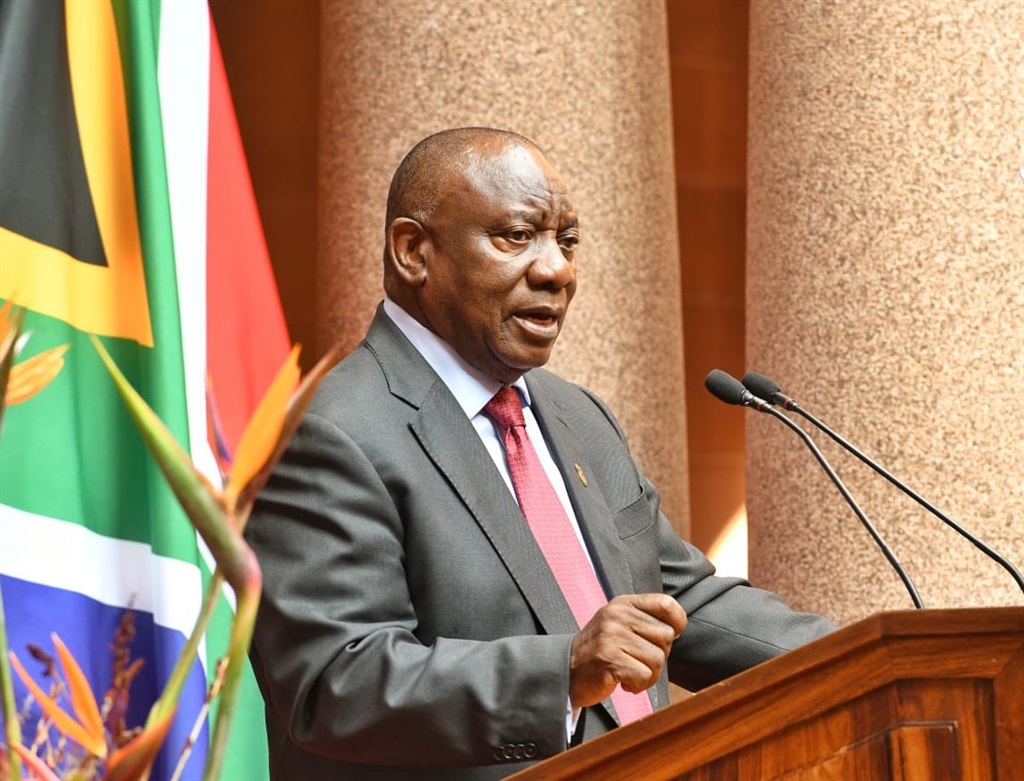
In response, President Cyril Ramaphosa mandated intensified intervention and emergency stabilisation measures were implemented.
“The implementation of these measures is being coordinated by technical teams from [the Department of Water and Sanitation], Rand Water and municipalities, led by the Directors-General of [the Department of Water and Sanitation] and [Cooperative Governance and Traditional Affairs],” Department of Water and Sanitation spokesperson Wisane Mavasa said.
Key interventions include accelerated repair of leaks in municipal distribution systems, including the replacement of old leaking pipes, removal of illegal connections, acceleration of municipal water and sanitation capital works programmes, particularly the construction of additional reservoir storage capacity and pumping capacity, and load shifting to balance the system.
Load shifting moves water volumes between stable and critical systems, resulting in reduced pressure in stable areas, but does not result in supply disruptions in stable areas.
Other measures include controlled throttling, which manages reservoir outlets to build storage levels overnight, approval of level two water use restrictions by municipal councils and enforcement of the restrictions, particularly in high-use areas, and improved communication between municipalities and the public.
“Rand Water has also offered to assist municipalities to implement these measures and has been assisting the City of Tshwane to refurbish two of their water treatment works and to reduce leaks in municipal distribution system in priority areas in the city,” Mavasa said.

Temporary abstraction from Integrated Vaal River System
To accelerate reservoir recovery, Majodina has approved an urgent water use licence application allowing Rand Water to abstract an additional 200 million cubic metres per annum from the Integrated Vaal River System for a four-month period, from February to June.
This temporarily increases Rand Water’s allocation from 1 803 million cubic metres per annum to 2 003 million cubic metres per annum.
“In considering Rand Water’s application, [the Department of Water and Sanitation] undertook a comprehensive hydrological yield assessment, considering the prevailing water supply constraints in Gauteng and the fact that the [Integrated Vaal River System] is already constrained and unable to accommodate permanent additional allocations,” Mavasa said.
However, Mavasa stressed that the measure is strictly temporary and not a long-term solution to Gauteng’s structural water challenges.
The department has set a limit to the amount of water that Rand Water can abstract from the Integrated Vaal River System, which consists of 14 interlinked dams.
Long-term reforms and accountability
The department has underscored that lasting stability depends on municipalities implementing structural reforms, including ring-fencing water revenue to reduce non-revenue water and upgrade distribution infrastructure.
“They should also be entering into partnerships with the private sector to mobilise private sector funding for water infrastructure.”
Broader policy reforms are under way through the Water Services Amendment Bill currently before Parliament and the Reform of Metropolitan Trading Services Programme being implemented by National Treasury.
“These reforms are aimed at ensuring that revenue from the sale of water is ring-fenced for the water function and that the providers of water services at municipal level become professionally managed entities with single-point accountability,” Mavasa said.
Additional policy directives include insourcing water tankering services and increasing sustainable groundwater use, where appropriate. National government has also committed to mobilising further technical support to assist municipalities in Gauteng, where necessary.
Majodina was scheduled to meet Gauteng municipalities on this week to reinforce the urgency of implementing these measures.
The department has called on residents and civil society to conserve water and comply with restrictions to support system recovery. Water users in areas that have continued receiving water are also called upon to comply with municipal water use restrictions.
ALSO READ: Water infrastructure failures in Midrand and Gqeberha expose R400-billion maintenance crisis



You must be logged in to post a comment.