


The South African summer holiday season brings thousands of beachgoers to the country’s pristine coastlines, but this year comes with an unprecedented warning: stay away from Cape fur seals. What was once considered a routine wildlife encounter has evolved into a potentially deadly situation, as rabies becomes endemic in seal populations along the Cape coast.
The severity of this emerging threat became very apparent last week when Cape Town surfers were attacked and severely injured by a Cape fur seal at Big Bay.
This attack represents more than an isolated incident – it is part of an alarming trend of increasingly aggressive seal encounters along South Africa’s coast. The South African Veterinary Association has confirmed that rabies is becoming endemic in Cape fur seal populations, transforming these marine mammals from relatively predictable wildlife into potential deadly threats.
“The recent confirmation of rabies in Cape fur seals is stark reminder of the vigilance required when humans and wildlife share the same space,” says Dr. Ziyanda Majokweni, President of SAVA. “By keeping a safe distance from seals, avoiding contact with unfamiliar animals, and ensuring dogs and cats are vaccinated, we can help prevent the spread of this deadly disease.”
Many beachgoers remain unaware that interactions with seals are not only dangerous but illegal. Under South Africa’s National Environmental Management: Biodiversity Act, activities that disturb seals – including petting or approaching them – are prohibited without proper permits. These restrictions exist because seals possess razor-sharp teeth capable of inflicting severe physical damage, and they can carry multiple diseases transmissible to humans. Rabies, transmitted through bites, scratches, or direct contact with saliva, is invariably fatal for both humans and unvaccinated animals if left untreated.
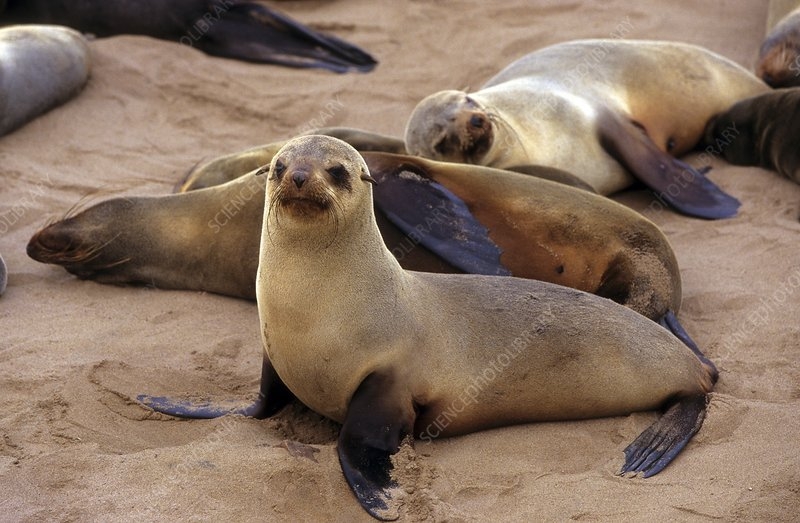
Healthy seals typically display predictable behaviour patterns, often hauling out on beaches to rest. However, rabid or distressed seals exhibit concerning behavioural changes including unprovoked attacks, disorientation, excessive aggression when approached, and unusual activity patterns during abnormal times or locations.
South African authorities have established comprehensive protocols for seal encounters and attacks. When a seal bite, scratch, or lick occurs, beaches are closed immediately with shark sirens and warning flags activated. CapeNature and State Veterinarians are notified while lifeguards track the animal’s movements, and beaches remain closed until the seal is safely removed.
Medical treatment requires immediate action. Wounds must be thoroughly washed with soap and water for 10-15 minutes, followed by immediate hospital treatment for post-exposure rabies prophylaxis. Patients must inform medical personnel about potential rabies exposure. The same protocols apply to pets, and rabies vaccination for dogs and cats is legally required as the only protection against this fatal disease.
ASLO READ: Big Bay seal attack: Surfer bitten multiple times while surfing at Bloubergstrand
SAVA and coastal authorities urge the public to maintain significant distance from all seals, dead or alive, and never touch, pet, or attempt to feed them. Contact trained authorities if seal pups appear stranded, and report unusual seal behaviour to lifeguards immediately. Swimmers and surfers must remain extra vigilant, exiting water immediately upon spotting any seal and avoiding areas with known seal colonies.
Pet owners should keep dogs leashed on beaches where seals may be present, ensure all pets are up-to-date with rabies vaccinations, and seek immediate veterinary care for any pet-seal interactions.
The emergence of rabies in Cape fur seal populations represents a significant shift in South Africa’s coastal ecosystem dynamics. Wildlife officials are monitoring the situation closely, but the unpredictable nature of rabies infections makes it impossible to identify infected animals before they display aggressive behaviour, placing the burden of prevention on public awareness and behavioural changes.
For more information about rabies and safety protocols, visit the National Institute for Communicable Diseases: https://www.nicd.ac.za/diseases-a-z-index/rabies/
ALSO READ: First African penguin tests positive for HPAI in South Africa




You must be logged in to post a comment.