


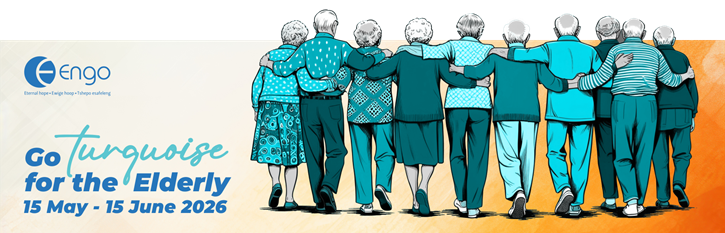
BLOEMFONTEIN, Free State – As Engo Elderly Care joins the Go Turquoise for The Elderly campaign, the organisation opens an important conversation about safeguarding the wellbeing of older members of our community.
The golden years should be a time of peace, dignity and comfort. Yet for some older people in our communities, this chapter of life can become unexpectedly vulnerable.
As we age, many of us naturally begin to rely on others – whether for daily tasks, companionship or managing our affairs. This interdependence is part of the human experience. But it can also create situations where older people find themselves at risk, often from the very people they trust most.
Engo Elderly Care, participating in the Go Turquoise for The Elderly awareness campaign, is encouraging families and communities to learn how to better protect the older people in their lives.
Understanding what can go wrong
Harm to older people takes different forms, and recognising these patterns can help families intervene before serious damage occurs.
Physical mistreatment might include rough handling, unnecessary restraint, or improper use of medication. But harm is not always physical.
ALSO READ: Four accused in Welkom elderly abuse case remain in custody
Emotional wellbeing matters deeply. Isolation from loved ones, persistent criticism, threats or humiliation can erode confidence and lead to depression or anxiety in older people.
Financial security is another concern. When someone uses an older person’s money without permission, manipulates banking details, or pressures them to sign documents they do not understand, it represents a serious breach of trust.
Sometimes the issue is simply neglect – when basic needs like nutrition, hygiene, medical care or safe living conditions are not adequately met, whether through deliberate disregard or lack of proper support and knowledge.
Sexual boundaries also matter at every age, and unwanted contact or behaviour without consent is never acceptable.

Signs to watch for
Knowing what to look for can make all the difference. Some indicators include unexplained injuries such as bruises, burns or fractures that appear frequently or without clear explanation.
Changes in mood or behaviour often signal distress. An older person who becomes withdrawn, anxious or fearful, or whose personality shifts noticeably, may be experiencing difficulty.
Financial red flags include unexpected changes to bank accounts, unpaid bills despite adequate funds, or personal belongings that go missing.
Living conditions tell a story too. Poor hygiene, inadequate food, dirty clothing or unsafe surroundings may indicate that someone is not receiving proper care.
Pay attention to relationships as well. If an older person seems fearful around a particular individual, or if a caregiver consistently prevents private conversations, these are important warning signs.
Creating a circle of care
Protecting older people begins with awareness and extends to action. Family members, friends and neighbours all play a role in maintaining the dignity and safety of older people in our communities.
Anyone who suspects an older person may be at risk should reach out to relevant authorities or support services for guidance.
For enquiries or more information, contact Engo Marketing at 060 548 5543 or info@engo.co.za
Visit www.engo.co.za – Engo Free State – Eternal Hope




You must be logged in to post a comment.