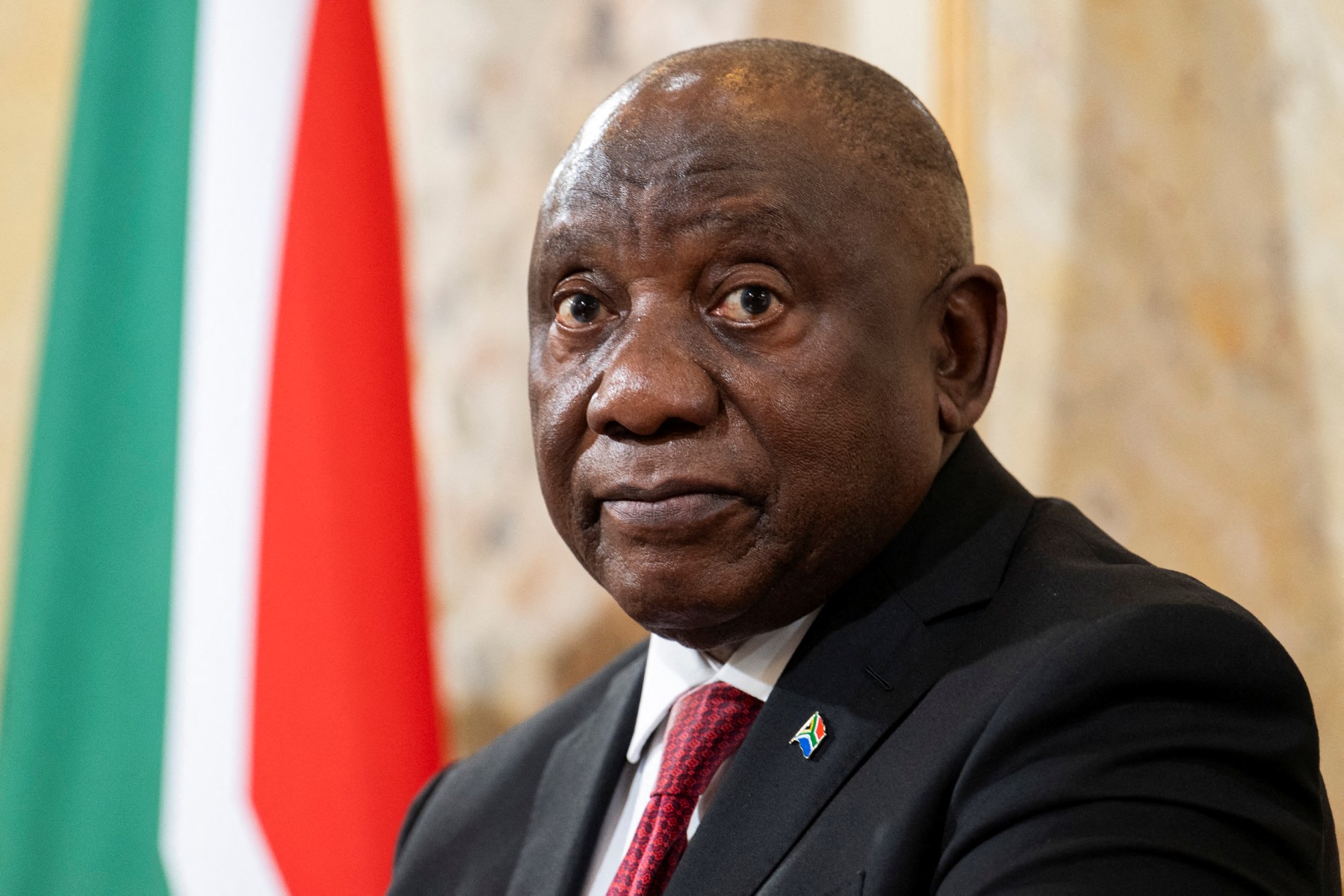
President Cyril Ramaphosa will address the nation on government’s comprehensive migration strategy as South Africa grapples with a surge in anti-migrant protests that have left at least three people dead and hundreds displaced.
Minister in the Presidency Khumbudzo Ntshavheni announced on Friday that Cabinet had approved a comprehensive approach to migration developed by the Inter-Ministerial Committee on Migration, as well as a National Action Plan on Migration.
“The president will address the nation on this matter,” Ntshavheni said during a media briefing in Pretoria on the outcomes of Wednesday’s Cabinet meeting. No specific date for the address has been announced.
The announcement comes as South Africa experiences its worst anti-migrant violence in years, with protests and vigilante attacks spreading across multiple provinces since late May.
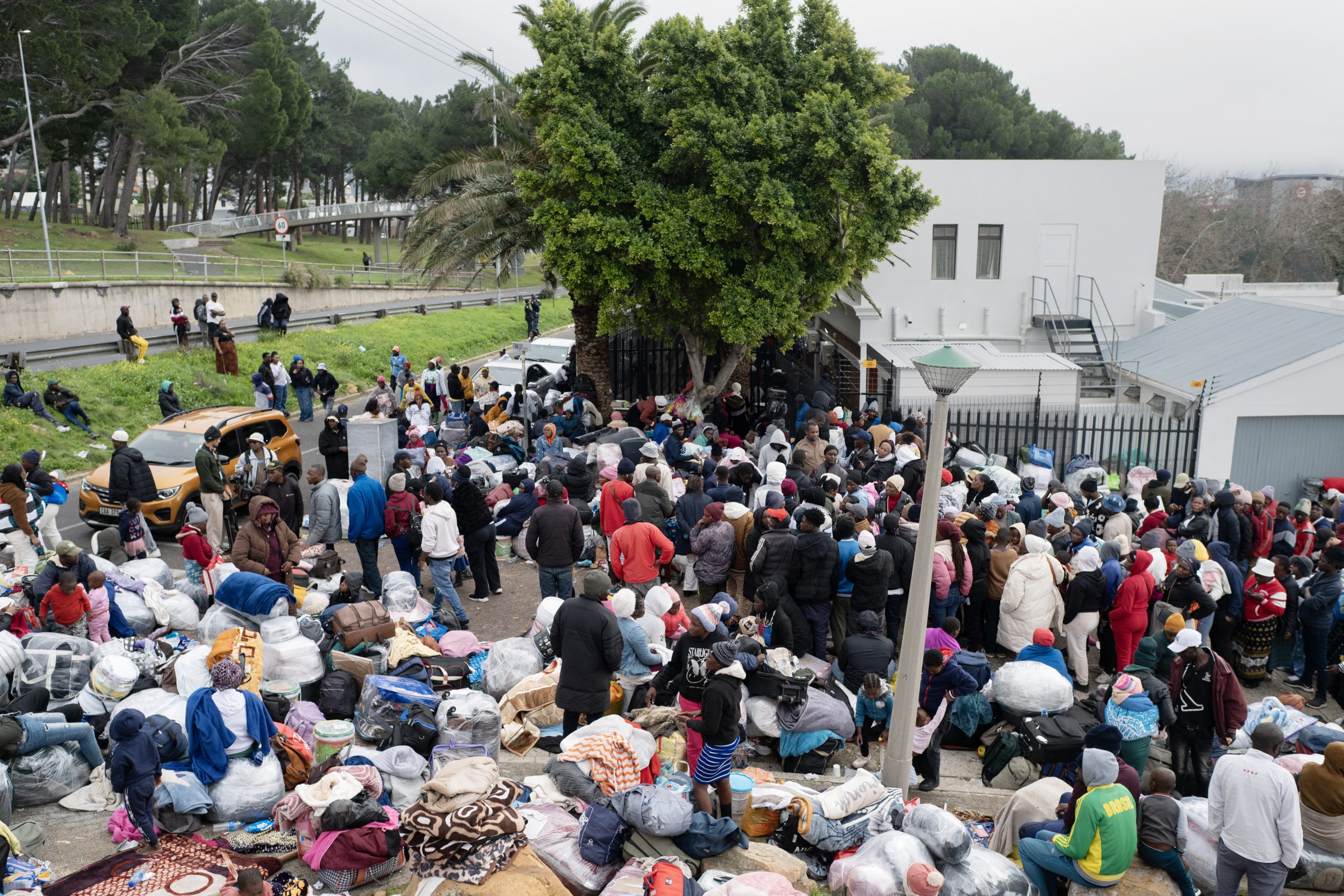
Three people, including two Mozambican nationals and one South African man, were killed in Mossel Bay in the Western Cape over the weekend of 30 to 31 May. The Mozambican government reported five of its citizens died in the attacks. About 55 shacks were torched in the Asla Park informal settlement following the violence.
More than 200 migrants sought refuge at the Gansbaai Tourism and Conference Centre on 1 June after door-to-door intimidation by vigilante groups. By 3 June, hundreds of foreign nationals had fled their homes across the Western Cape, seeking shelter in community halls and other safe spaces.
The violence spread to Gauteng on 2 June, with protests targeting the homes of foreign nationals reported in Cloverdene and Chief Albert Luthuli in Ekurhuleni.
Groups such as March and March and Operation Dudula have led or inspired the protests, citing grievances over unemployment, crime and competition for public services. Several anti-migrant groups have set an ultimatum of 30 June for undocumented migrants to leave the country.
The diplomatic fallout has been significant. Ghana and Nigeria announced emergency repatriation flights for their citizens, while more than 400 Mozambican nationals were evacuated from Mossel Bay following the violence.
Ramaphosa has condemned the xenophobic violence, vigilantism and intimidation, warning that individuals must respect the law. Security officials are investigating reports of potential “third force” involvement in coordinating the attacks.
Government has introduced several measures to curb illegal immigration. The Border Management Authority, established in 2023, is responsible for border law enforcement at land, air and maritime ports of entry.
The Department of Home Affairs has increased the number of deportations of undocumented foreign nationals year on year since 2022, despite capacity constraints.
Cabinet approved the revised White Paper on Citizenship, Immigration and Refugee Protection in March 2026. The approval followed an extensive public consultation process led by the Department of Home Affairs, which covered all nine provinces and drew thousands of submissions.
ALSO READ: Ramaphosa condemns violent anti-immigrant protests, vows to uphold rule of law
The revised white paper outlines policy priorities for what government describes as the most significant reform of South Africa’s citizenship, immigration and refugee protection framework in a generation. It introduces the “first safe country” principle for refugees, moves refugee reception centres closer to borders, and establishes a merit-based points system for visas and residency.
The Department of Employment and Labour has finalised the National Labour Migration Policy, which introduces maximum quotas for documented foreign nationals. The policy provides for fines of up to R100 000 for employers who hire undocumented foreign nationals.
Cabinet has also approved for submission to Parliament the Employment Services Amendment Bill, which empowers the minister of employment and labour to set quotas for the employment of foreign nationals in any economic sector or occupational category.
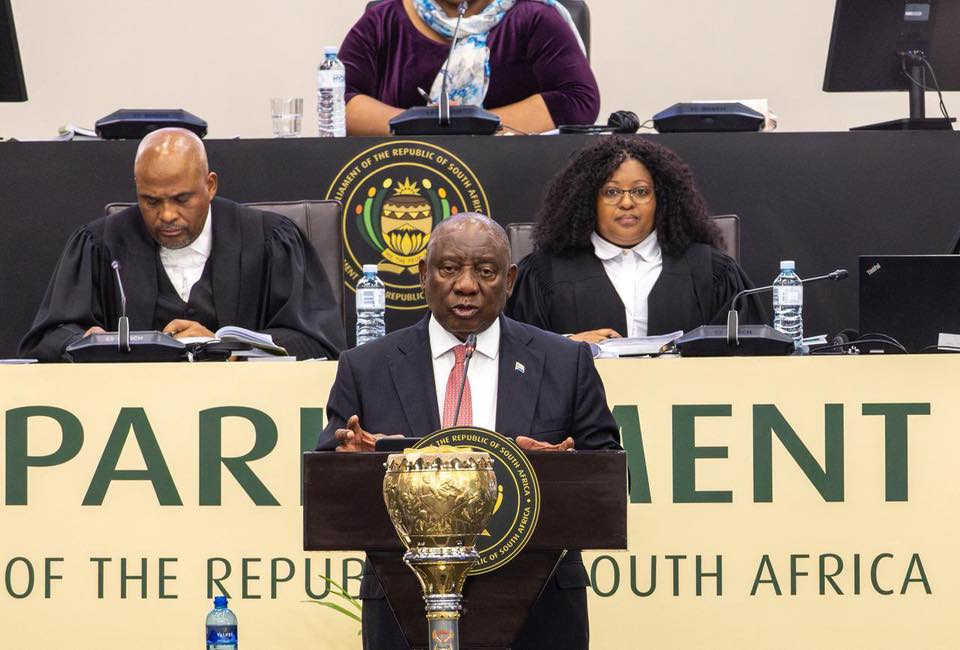
During his Presidency Budget Vote address in Parliament on 2 June, Ramaphosa announced that South Africa would dispatch envoys to various African countries and other nations to secure cooperation and address the root causes of population movements.
ALSO READ: Two Mozambicans killed as xenophobic violence resurfaces in South Africa