President Cyril Ramaphosa has granted the judicial commission investigating corruption and political interference in the criminal justice system an additional five months to complete its work.
The Judicial Commission of Inquiry into Criminality, Political Interference and Corruption in the Criminal Justice System, chaired by retired Constitutional Court Justice Mbuyiseli Madlanga, will now submit a second interim report by 29 May and its final report on 31 August.
The Presidency said the extension was necessary due to the number of witnesses who still need to appear before the inquiry.
The commission was established last year following explosive allegations by KwaZulu-Natal Police Commissioner Lieutenant-General Nhlanhla Mkhwanazi, who claimed that criminal syndicates had infiltrated the country’s law enforcement, intelligence services and judiciary. He also accused Police Minister Senzo Mchunu of political interference in policing operations.
These claims led to the President placing Mchunu on special leave.
Mkhwanazi claimed there was systemic collusion and corruption linking politicians, senior police officials, prosecutors, intelligence operatives and elements of the judiciary. He specifically alleged that Mchunu had pressured police leadership, attempted to influence appointments and intervened in procurement and operational decisions.
A key point of contention was the disbandment of the Political Killings Task Team, which Mkhwanazi said was done through executive decision amid undue influence. He lodged a criminal complaint over the matter.
The judiciary demanded evidence from Mkhwanazi to substantiate his serious allegations, and President Ramaphosa subsequently established the commission.
Advocates Sesi Baloyi SC and Sandile Khumalo SC serve as commissioners alongside Justice Madlanga.
The commission submitted its first interim report on 17 December, which led to criminal investigations being referred against 14 individuals, including nine current and former Ekurhuleni metro municipality workers and five police officers. President Ramaphosa accepted the report’s recommendations regarding employment status and possible suspension of certain individuals.
Highlights from the hearings
The commission began public hearings on 17 September, with Mkhwanazi as the first witness. His three-day testimony set the tone for what would become a far-reaching investigation into the heart of South Africa’s criminal justice system.
National Police Commissioner General Fannie Masemola testified and corroborated that the Political Killings Task Team had been disbanded as an executive decision, lending weight to Mkhwanazi’s claims.
Mchunu appeared before the commission on 2 December to respond to the allegations of political interference. He returned in January to give further testimony regarding the disbandment of the task team.
One of the most significant revelations came from Crime Intelligence boss Lieutenant-General Dumisani Khumalo, who detailed the operations of what he called the “Big Five syndicate” or “Big Five cartel” operating primarily in Gauteng.
Khumalo’s testimony included WhatsApp chats and financial evidence linking the syndicate to drug trafficking, hijackings, tender fraud, extortion and contract killings. He alleged that the cartel had cultivated ties with senior politicians, law enforcement officials and business figures to protect its operations, and had even paid ANC delegates and influenced the disbandment of task teams.
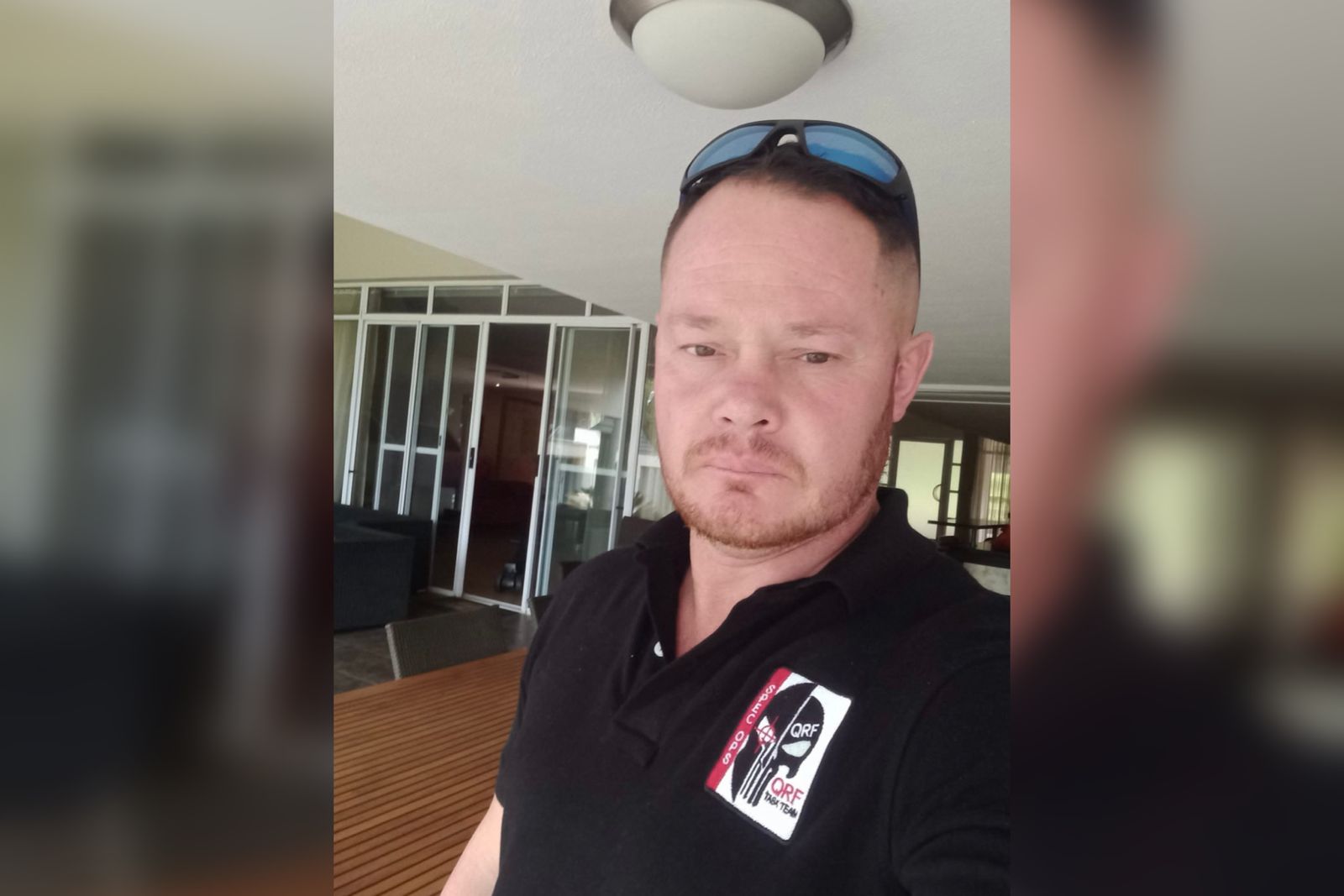
The commission heard from several witnesses in closed sessions due to security concerns, including a witness known only as “Witness X”. Other witnesses included Marius van der Merwe, known as “Witness D” who was assassinated after giving testimony, police informant Jaco Hanekom and Rovo Spies. Evidence was presented about individuals including Vusimuzi “Cat” Matlala and Brown Mogotsi, who was described by the commission as a “professional liar”.
Lieutenant-General Shadrack Sibiya appeared before the commission in February, denying allegations of a relationship with an attempted murder accused and receiving gifts from him. His testimony revealed internal conflicts within the South African Police Service.
The commission also heard testimony from members of the Gauteng Organised Crime unit about the messy handover of 121 dockets to the police service.
The inquiry continues to examine allegations affecting the integrity of the criminal justice system.