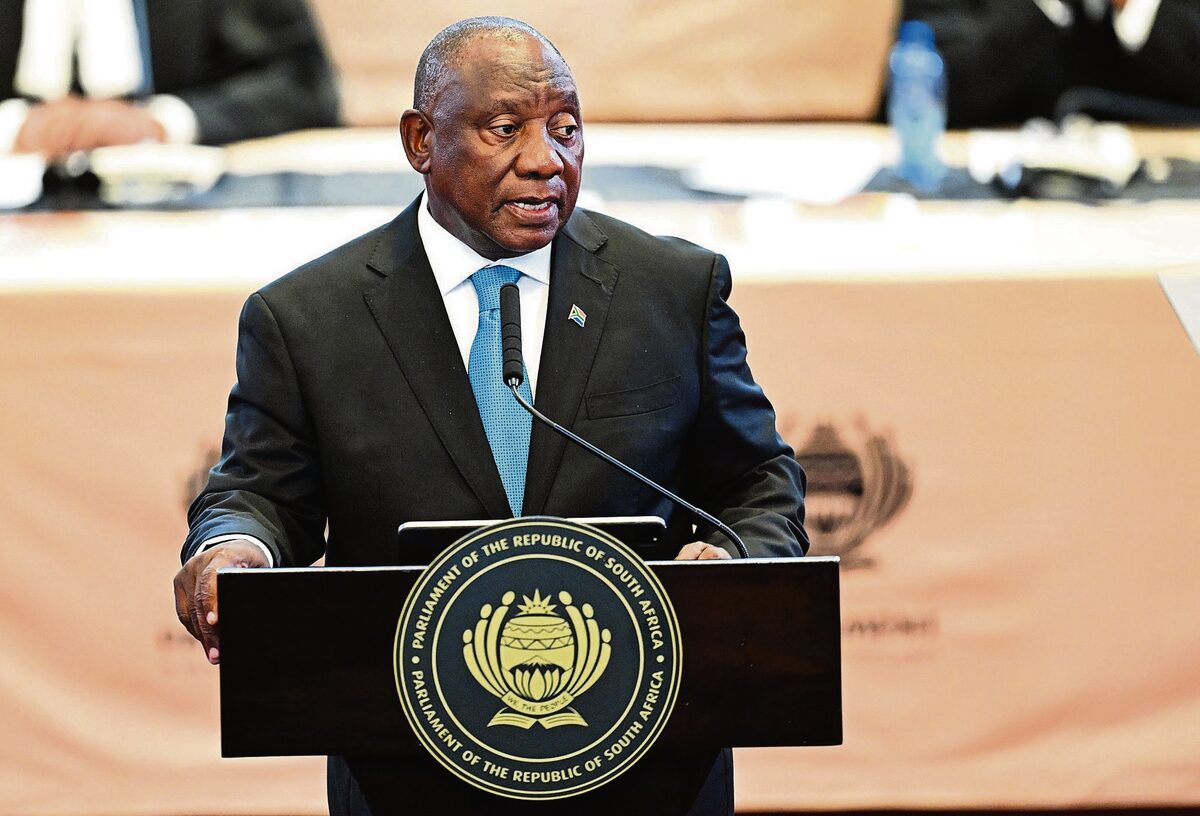
President Cyril Ramaphosa has appointed a three-judge commission to investigate why military chiefs defied his direct order to exclude Iran from naval exercises in South African waters earlier this year.
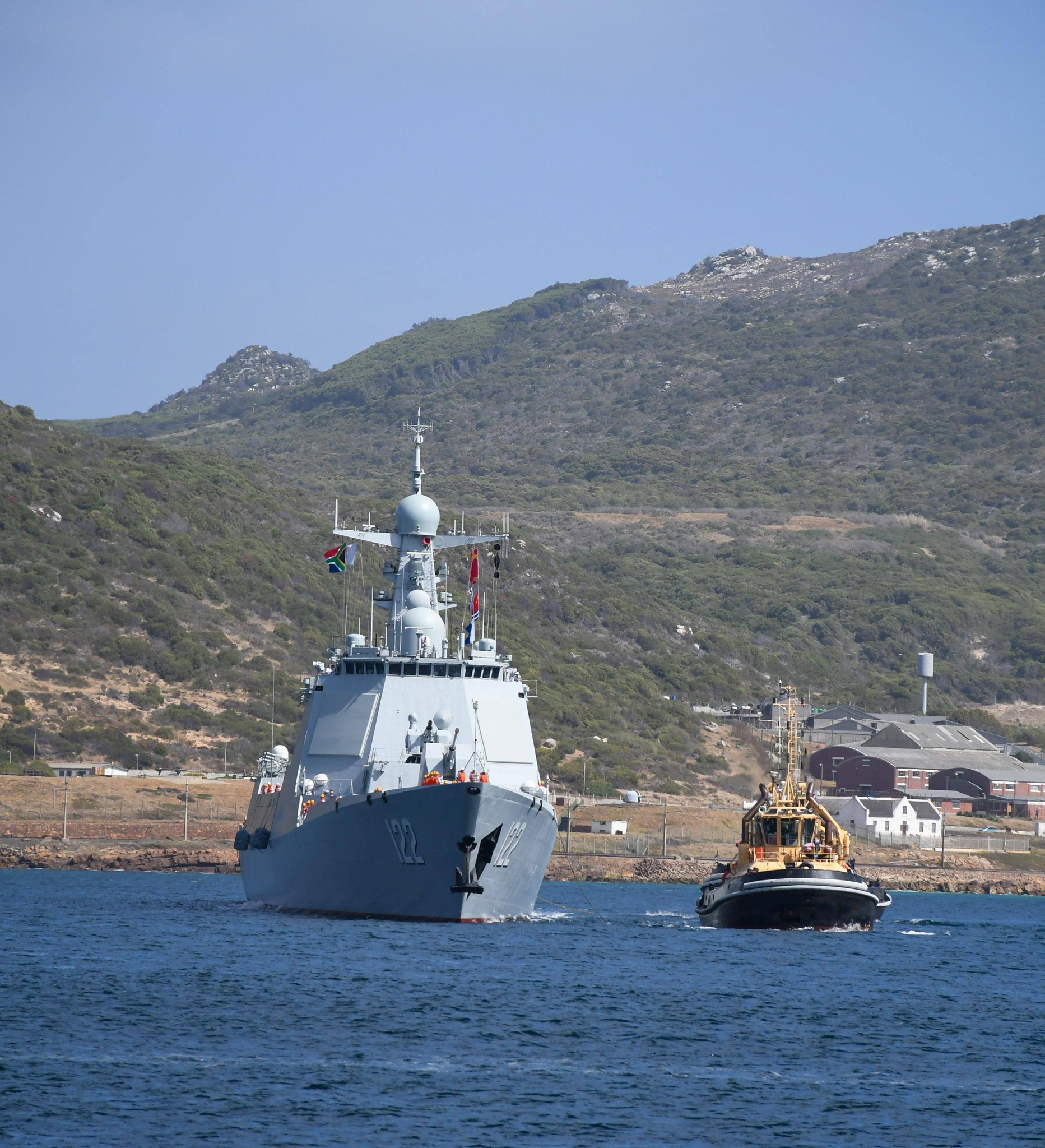
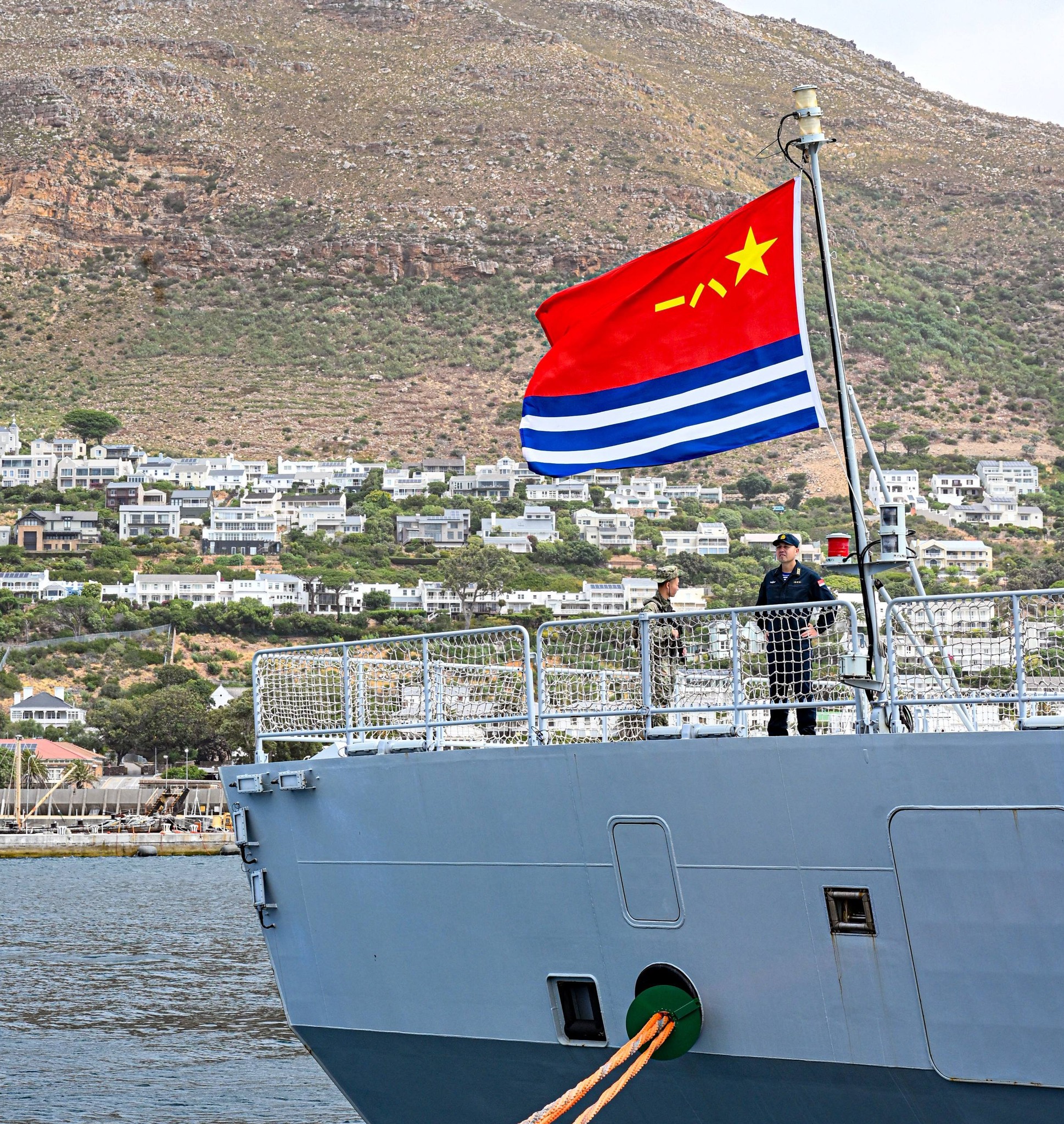
The commission of inquiry will examine the circumstances surrounding exercise Will of Peace 2026, a Chinese-led naval drill that took place off Cape Town in January, and determine why the South African National Defence Force ignored Ramaphosa’s explicit instruction to withdraw Iran’s participation.
The exercises, which involved BRICS member nations including China and Russia, became controversial when Ramaphosa ordered then-defence minister to bar three Iranian warships from participating. The instruction came as Tehran mounted a deadly crackdown on protesters at home.
Despite the presidential directive, Iranian naval vessels took part in the manoeuvres at the Simons Town naval base. Local media reported at the time that Ramaphosa had requested Iran’s role be limited to observer status, but his orders were not heeded.
The United States called Iran’s participation “particularly unconscionable” given the regime’s actions against civilians.
Following public uproar in mid-January, the defence ministry announced its own investigation. However, the presidency has now taken control of the probe “to ensure an independent and timeous” inquiry, according to a statement released on Thursday.
The panel will investigate the factors that contributed to the failure to observe the presidential order, identify those responsible, and recommend consequences. The judges have been given a one-month deadline and will have powers to summon any defence force member or public official, with access to classified information.
The presidency’s statement emphasised that Ramaphosa, as commander-in-chief of the armed forces, holds ultimate authority over military operations.
The commission’s work will remain confidential due to national security considerations, though the president may choose to make some or all recommendations public.
This is not the first instance of tensions between South Africa’s civilian government and military leadership becoming public. In August last year, the foreign ministry issued a statement clarifying that remarks by a general visiting Iran, which were reported by Iranian media, did not represent official government policy.
The ministry said “statements made by individuals or departments that are not responsible for foreign policy should not be considered the official stance” of the government.
ALSO READ: US condemns Iran’s participation in South African naval exercises