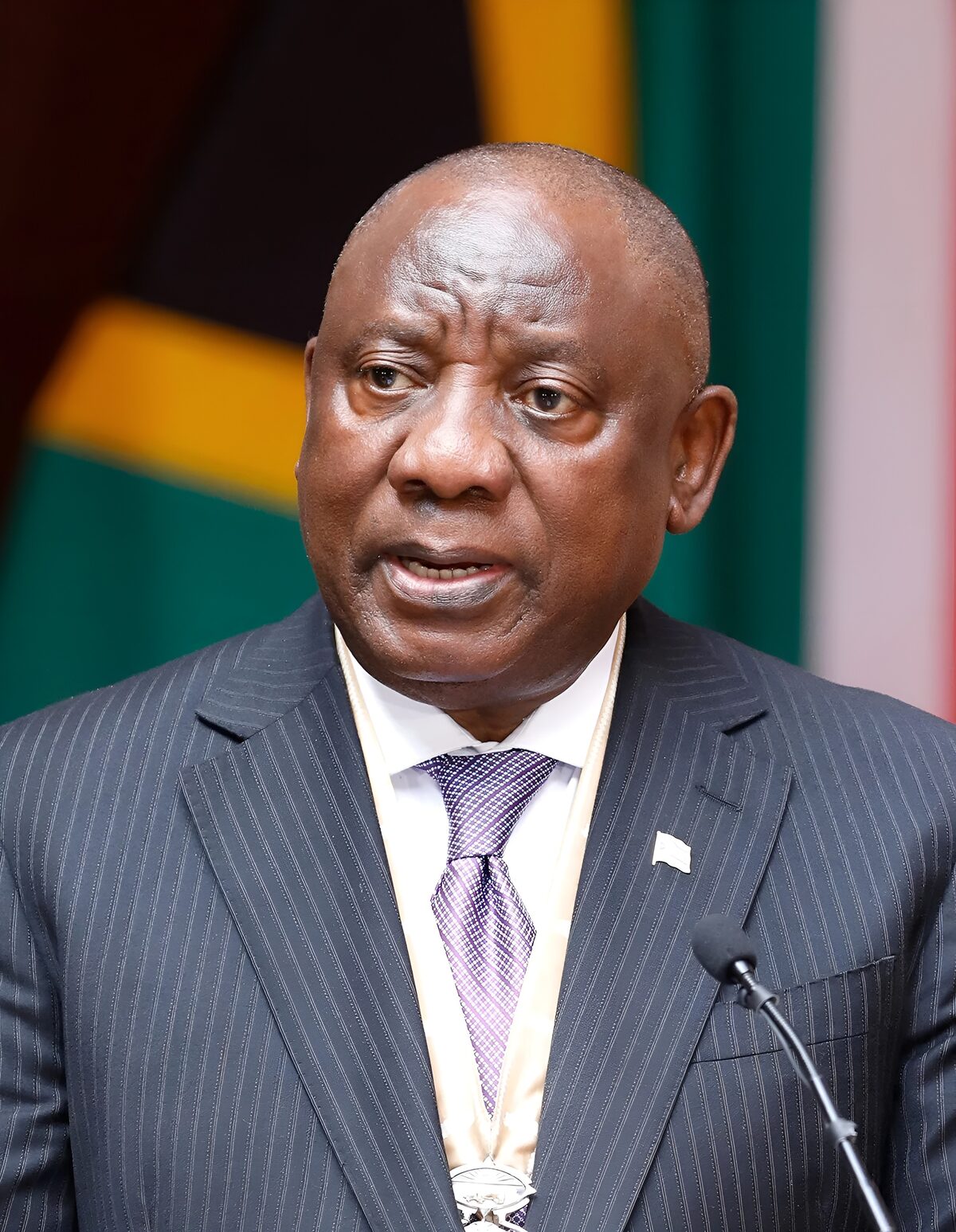
Political parties, civil society organisations and human rights bodies across South Africa have issued official media statements following President Cyril Ramaphosa’s live address to the nation on Tuesday evening, 29 September.
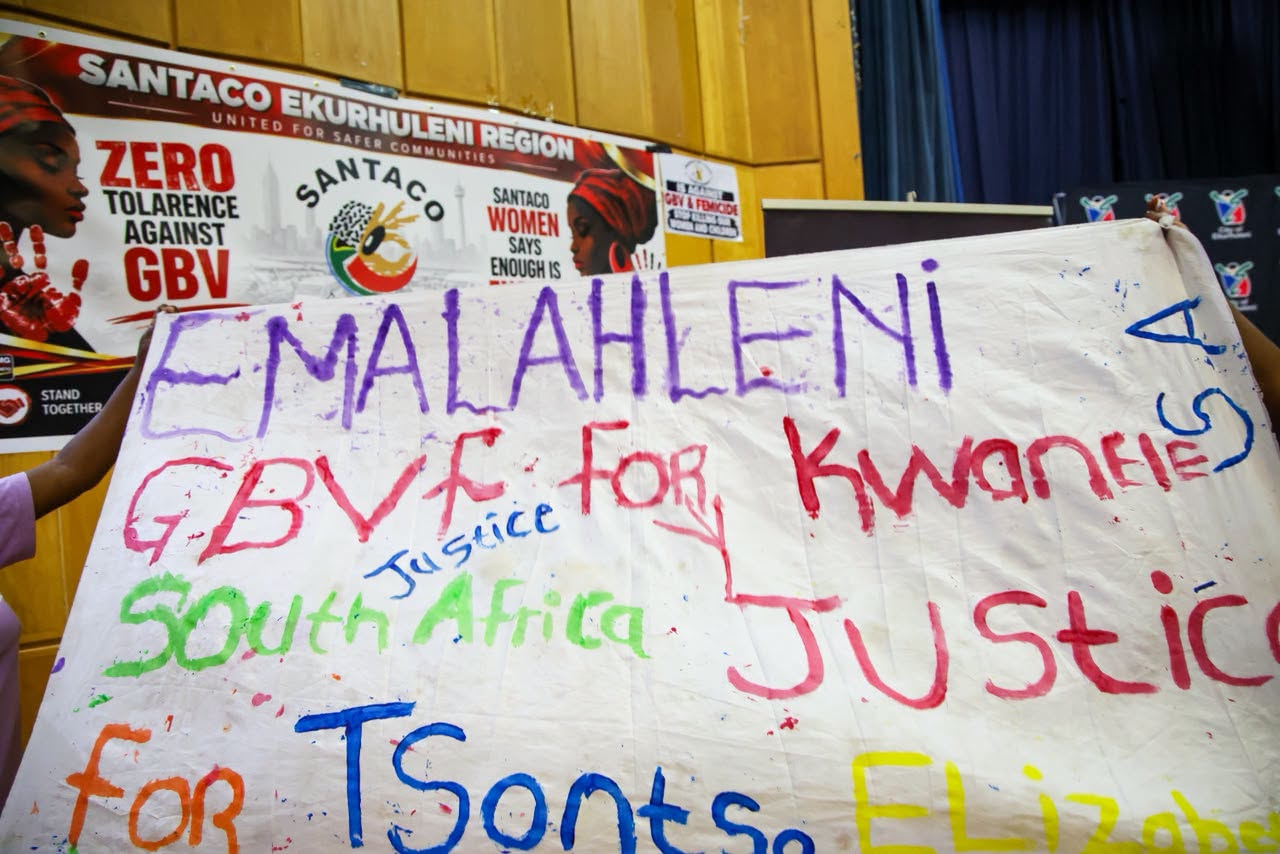
While civil society groups acknowledged the administration’s declaration of gender-based violence and femicide (GBVF) as a national crisis major opposition parties expressed sharp skepticism, calling for immediate executive execution rather than repeated policy announcements following the discovery of 11 young women murdered in Ekurhuleni.
Official media statements released by political parties on Wednesday morning reflected growing frustration with state security structures:
Democratic Alliance (DA): In an official statement the DA criticised the government for relying on emergency proclamations only after tragic body counts mount. The party highlighted that forensic backlogs, under-resourced police stations and delayed DNA processing remained the central bottlenecks. The DA demanded immediate devolution of policing powers to competent local municipalities and strict oversight on Southern African Police Service response times.
Economic Freedom Fighters (EFF): The EFF condemned the address as “empty rhetoric,” pointing out in their media release that seven years after the first national GBVF summit, South African women remain unprotected. The party called for the immediate overhaul of top police leadership, the establishment of dedicated, highly armed specialised units in every township, and the complete elimination of bail and parole options for violent offenders.
ActionSA & RISE Mzansi: Media statements from ActionSA and RISE Mzansi emphasised that criminal justice systems must be held accountable. ActionSA noted that emergency measures mean nothing if police officers at station level continue to turn away victims seeking protection orders, demanding clear performance audits across all police stations in Gauteng.
Civil Society & MRM: “A redefining call for action”
In contrast to the political opposition civil society movements offered cautious optimism grounded in structural reform requirements.
In an official statement issued on Wednesday 30 September the Moral Regeneration Movement (MRM) in the North West officially welcomed what it called a “bold policy shift” to intensify the fight against GBVF.
“The recent establishment of the National Council on Gender-Based Violence and Femicide (NCGBVF) gives us confidence that allocation of adequate resources during the October Budget Adjustment will give impetus to local action that will be key to the rollout of the announced comprehensive plan, ” said Pastor Lesiba Kgwele, MRM Provincial Convenor.
The movement and allied advocacy groups highlighted several crucial operational demands that must accompany the President’s plan:
Environmental safety (CPTED): Revival of the Crime Prevention Through Environmental Design programme to clean up disused buildings, overgrown vegetation, and illegal dumping sites that serve as crime hotspots.
Cold-case audits: Launching comprehensive audits of dormant GBVF cases to initiate fresh investigations and prosecutions of long-evading perpetrators.
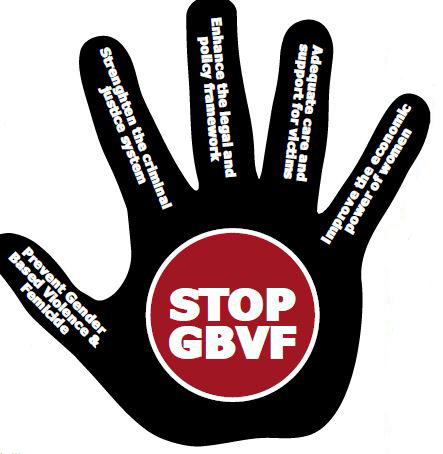
Justice reform and victim support: Expanding Sexual Offences Courts and local Thuthuzela Care Centres (TCCs), while urgently reviewing the parole system to prevent repeat offenders from re-entering communities.
Confronting patriarchal culture: Engaging faith-based leaders, traditional authorities and men’s organisations through a National Dialogue process to confront male chauvinism and toxic traditions.
Across all political and civil society media statements, one unified consensus emerged: the true test of President Cyril Ramaphosa’s address lies in the upcoming October Budget Adjustment.
Parties and activists alike warned that without direct, transparent funding routed to police stations, forensic labs, and community victim centers, the announced measures risk remaining unfulfilled promises.