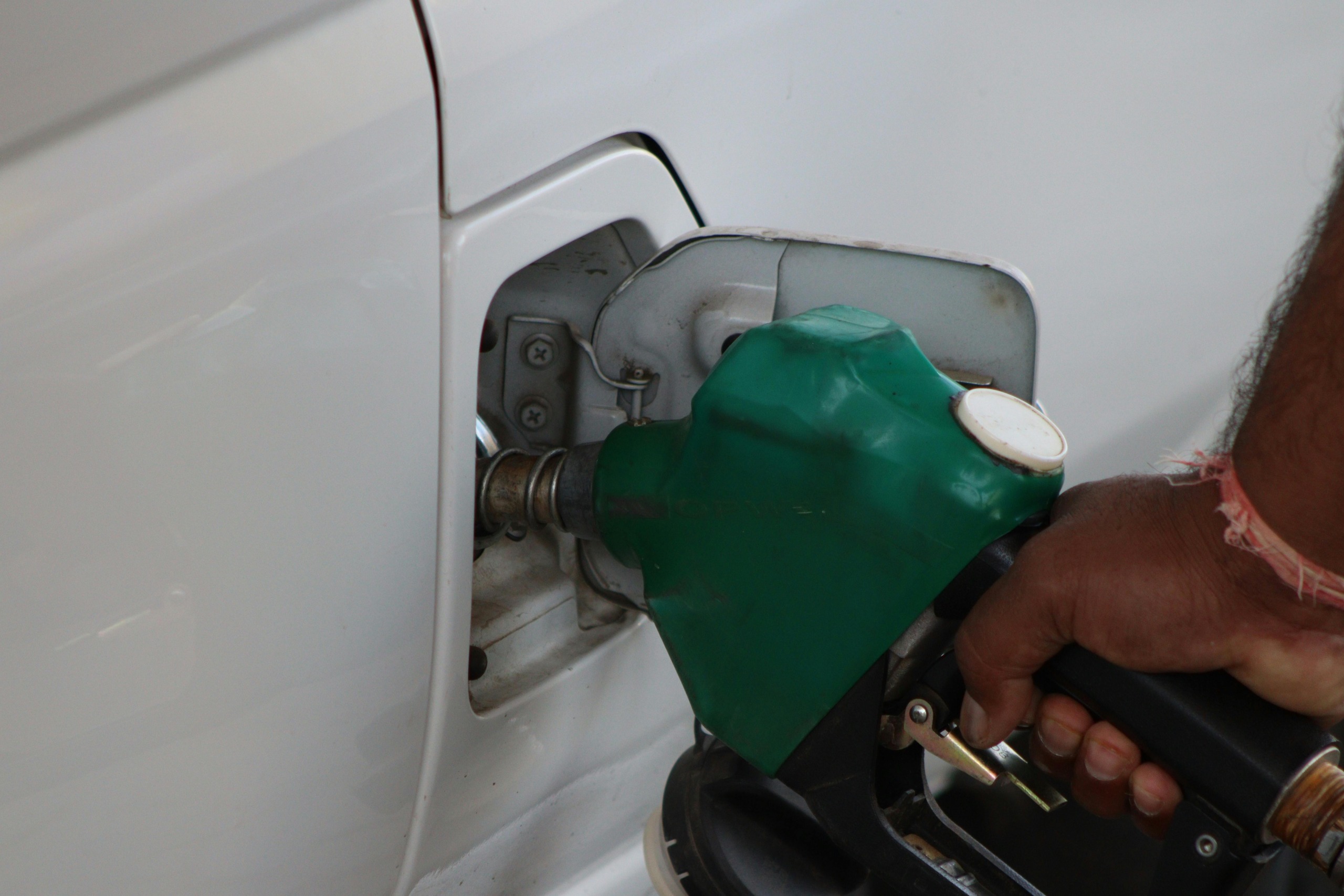
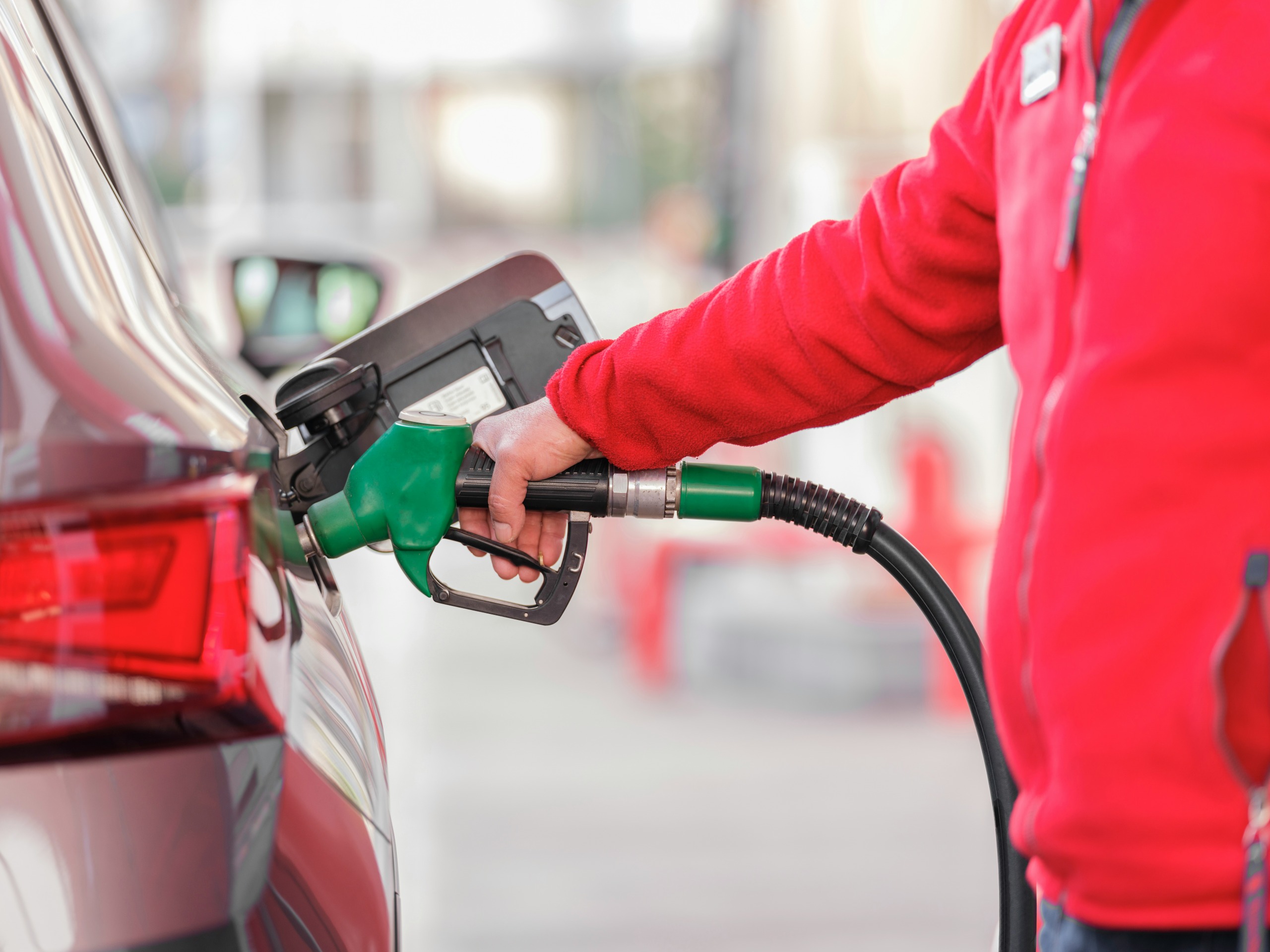
Petrol users will barely feel any relief at the pumps this week, with only a 1 cent per litre price cut, while diesel drivers have reason to celebrate with decreases of more than R1 per litre.
However, the real concern lies with another steep increase in paraffin and LPG gas prices, which will hit millions of low-income households that depend on these fuels for cooking, heating and lighting.
The Department of Mineral and Petroleum Resources has published the official fuel price adjustments that will take effect on Wednesday, 4 November.
Petrol prices will drop by just 1 cent per litre for both 93 and 95 grades, while diesel will be cut by R1.10 and R1.20 per litre for 0.05% and 0.005% sulphur content respectively.
Diesel users can smile
Diesel drivers will enjoy some respite this month. The decrease comes as welcome news for the transport and logistics sectors, which have been battling rising costs throughout 2026.
The relief is partly thanks to the National Treasury’s R10 billion intervention package, which includes a temporary fuel levy cut of R1.50 per litre for petrol and R3.00 per litre for diesel. This marks the second time this year that government has stepped in to ease the fuel price burden.
Petrol users left with little relief
For petrol users, the news is far less encouraging. Despite the Treasury’s levy cut, a sharp increase in the slate levy has wiped out most of the benefit, leaving motorists with a token 1 cent decrease.
The slate levy has jumped from 87.66 cents per litre to 135.84 cents per litre – an increase of 48.18 cents per litre. This levy helps recover the cumulative slate balance, which reached a negative R15.876 billion for petrol and diesel at the end of September 2026.
October was another difficult month for fuel recoveries, with climbing global oil prices made worse by a much weaker rand against the dollar. The average Brent crude oil price increased from 101 US dollars to 108 US dollars during the period under review.
Poor households bear the brunt
The most concerning aspect of this month’s fuel price announcement is the steep increase in paraffin and LPG gas – the main energy sources for millions of low-income South African households.
Illuminating paraffin will increase by R2.75 per litre, while LPG gas in Gauteng will rise by R1.83 per kilogram. These increases come at a time when poor households are already struggling with high living costs and energy poverty.
According to the latest Statistics South Africa data, while paraffin use has declined from 16.1% of households in 2002 to just 1.9% in 2025, those who still depend on it are typically the poorest households with limited alternatives.
Gas usage has grown to 9.4% of households as of 2025, up from just 2.2% in 2002. However, many low-income households use gas as a backup when electricity becomes unaffordable or unavailable.
Research shows that between 43% and 47% of South African households – more than 11 million homes – remain energy poor because electricity is unaffordable, unreliable or insufficient, even though 90.6% have access to mains electricity.
No relief for the poor
Unlike petrol and diesel users who benefit from the temporary fuel levy cuts, paraffin does not carry a fuel levy. This means poor households relying on paraffin receive no equivalent benefit from the government’s R10 billion relief package.
For a household buying 40 litres of paraffin monthly, the R2.75 per litre increase translates to an additional R110 per month – a significant amount for families living on social grants or low wages.
The food poverty line in South Africa currently stands at R868 per person per month, with 23.4% of households relying on social grants as their main income source.
Labour representatives have warned that the paraffin price hike may force families to resort to unsafe alternatives such as wood, coal or illegal electrical connections. These alternatives carry added risks of shack fires, burns, smoke inhalation and respiratory disease.
Children may struggle to study after dark when families cannot afford enough paraffin for lighting, while reduced spending on cooking fuel often means less food preparation and poorer nutrition.
What drove the increases
The increase in paraffin and gas prices is linked to rising international petroleum product prices, tight global middle distillate supply, higher seasonal demand ahead of winter in the Northern Hemisphere, and ongoing conflicts in Russia and Ukraine.
The rand’s depreciation against the US dollar – from 16.21 to 16.55 rand per dollar – has also added to the pain, contributing an additional 49.26 cents per litre to paraffin’s basic fuel price.
ALSO READ: Iran warns new war with US could drag on as Trump threatens more strikes
Middle East tensions, including recent attacks on Saudi Arabia’s infrastructure, along with high freight and insurance costs caused by ship-to-ship transfers, have pushed Brent crude prices higher.
The wholesale price of paraffin was around R12.63 per litre at the start of January, climbing to R24.47 per litre in October before this latest R2.75 increase. The fuel has nearly doubled in price over the course of 2026.
FUEL PRICE CHANGES FROM 4 NOVEMBER:
- Petrol 93: decrease of R0.01 per litre
- Petrol 95: decrease of R0.01 per litre
- Diesel 0.05% (wholesale): decrease of R1.10 per litre
- Diesel 0.005% (wholesale): decrease of R1.20 per litre
- Illuminating Paraffin (wholesale): increase of R2.75 per litre
- LPG Gas (Gauteng): increase of R1.83 per kilogram