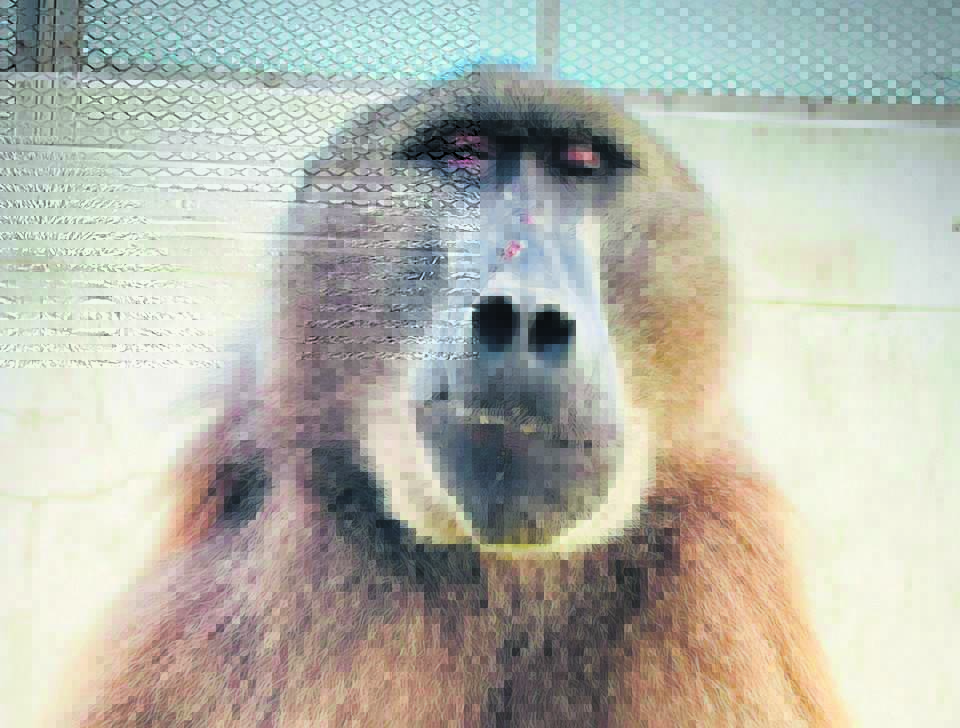
A pregnant baboon from the Slangkop troop was humanely euthanised on Saturday 18 July after being shot with a pellet gun in the Imhoff’s Gift/Heron Park area.
The shooting, resulted in the death of the mother and her unborn foetus, has sparked an ongoing investigation by the Cape Baboon Partnership (CBP) and the Cape of Good Hope SPCA.
Alleged pellet wound
CBP reported the incident on its Facebook page on Wednesday 22 July, stating that their hotline received two calls reporting a baboon bleeding excessively.
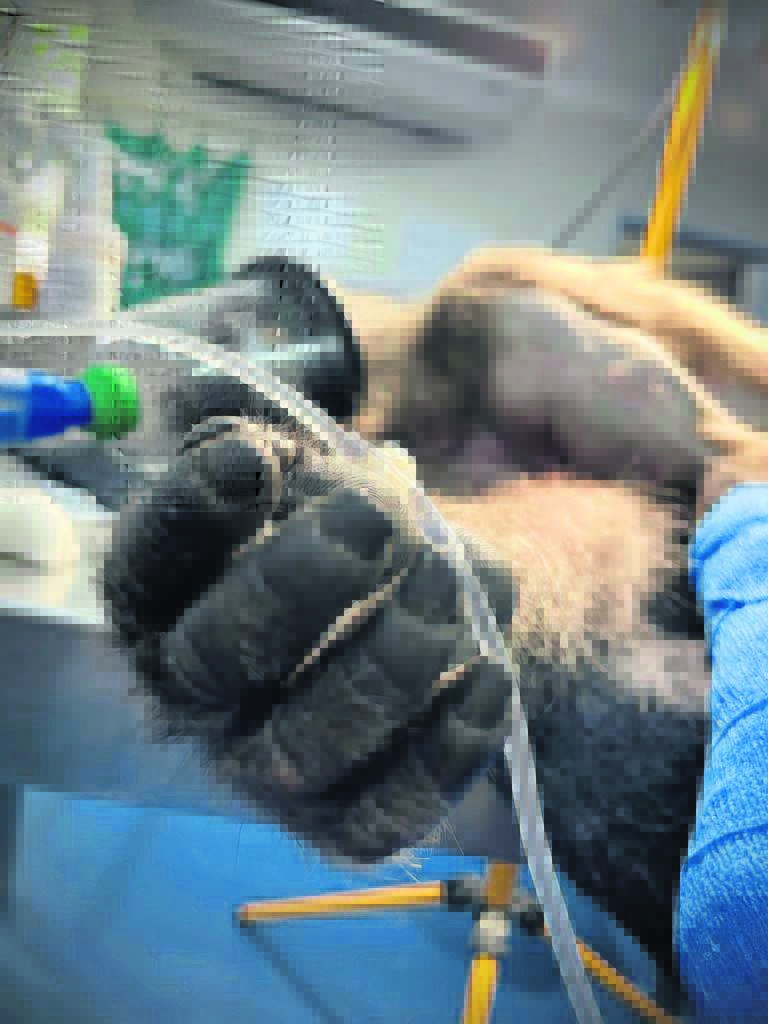
Rangers quickly located the injured pregnant baboon, who was sedated and examined in the field before being transported to the SPCA.
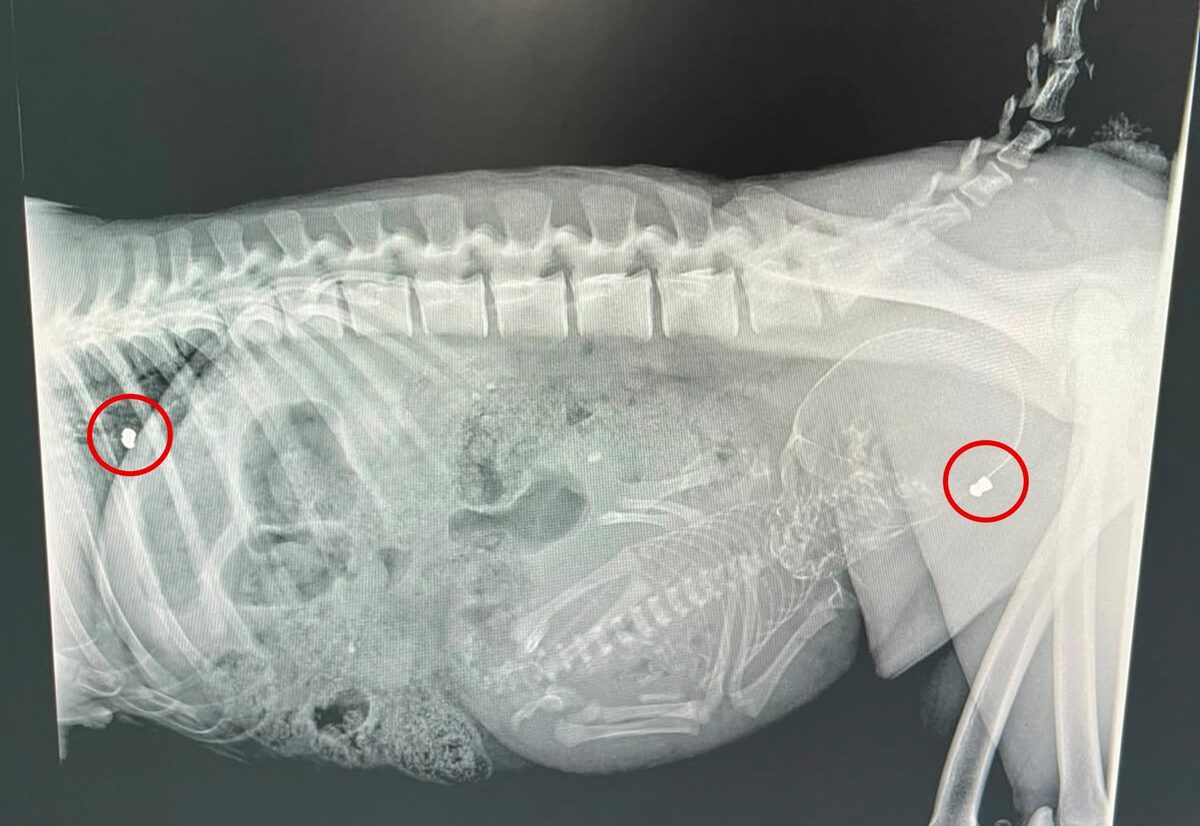
X-rays revealed a pellet had entered her hind end, ripped through her reproductive tract and lodged millimetres from the foetus’s skull.
An ultrasound showed an extremely weak foetal heartbeat, while bloodwork confirmed severe anaemia from extensive blood loss.
Previous shooting
With no chance of recovery, the decision to euthanise was taken to prevent further suffering.
A postmortem also revealed an older pellet embedded in her lung from a previous shooting.
Time-stamped GPS data from the female’s collar has narrowed the area where the shooting is believed to have occurred.
Shark Spotters and Cape Baboon Partnership CEO Sarah Waries said she was distressed by the events but praised the swift response of the rangers, wildlife veterinarian and SPCA team, whose actions demonstrated deep compassion and commitment to baboon welfare.
Innovative study
Meanwhile, the organisation has announced a new research partnership with Dr Cécile Sarabian, a postdoctoral researcher from Swansea University, to explore non-invasive ways of keeping baboons out of urban areas using olfactory, auditory and visual cues.
The three-month study, conducted with the Da Gama troop, will simulate risks using realistic sights, sounds and scents to understand how baboons make decisions about movement, foraging, and resting.
Sarabian’s previous research on primates, including chimpanzees and bonobos, suggests that the natural “disgust” response could be applied to wildlife management.
Short-term GPS accelerometer collars will be fitted on baboons under sedation by an experienced wildlife veterinarian, with the SPCA in attendance.
The collars will automatically drop off after eight weeks and the welfare of collared baboons will be closely monitored throughout.
Reducing baboon conflict
The research has received ethics clearance from Swansea University and permits from CapeNature and SANParks.
The study aims to add new, non-invasive tools to the management toolbox for reducing human-baboon conflict on the Cape Peninsula.
The Cape of Good Hope SPCA has also concluded its investigation into the safety of the Da Gama baboon troop, which was reportedly fitted with GPS tracking collars this week but have concerns regarding the baboon sanctuary (“Activists question collars”, People’s Post, 21 July).
Earlier this month, a group of community representatives feared for the safety and wellbeing of the Da Gama baboon troop which had been fitted with GPS tracking collars.
The Cape Peninsula Baboon Management Joint Task Team (CPBMJTT) is overseeing this operation and comprises three authorities: CapeNature, South African National Parks (SANParks) and the City, who are responsible for developing and implementing a baboon management programme in the Cape Peninsula.
Contact the CBP on 071 588 6540 or the SPCA on 021 700 4158/9 to report any attack. All reports are anonymous.