STELLENBOSCH – A Stellenbosch school community is rallying around its boys after the passing of a Grade 9 learner, with counsellors urging parents to use September’s Suicide Prevention Month as a moment to check in, listen, and ask direct questions about how their sons are really doing.
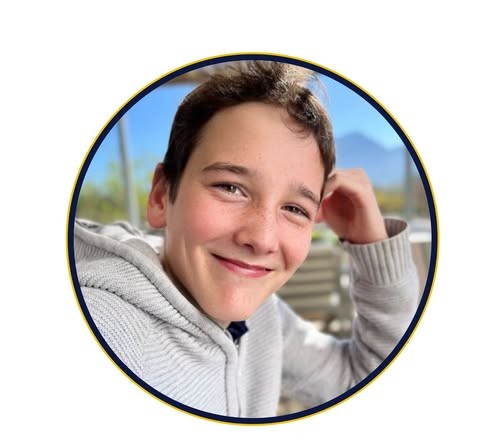
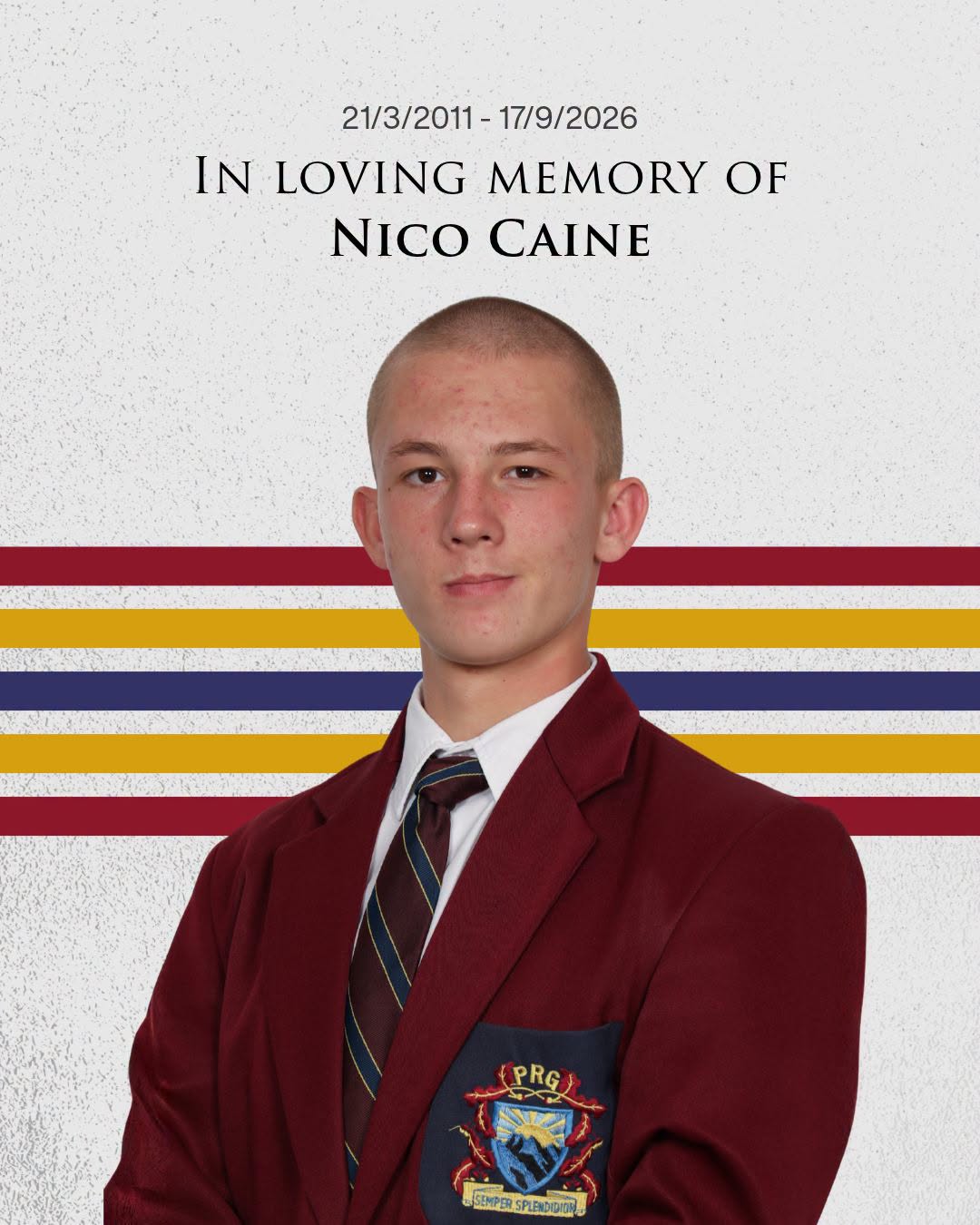
Nico Caine, a 15-year-old Grade 9 learner at Paul Roos Gimnasium, passed away on Thursday evening (17 September). The school shared the news with parents on Friday 18 September, with rector Jannie de Villiers writing that it was “with immense sadness” that the community learned of Nico’s death.
“Nico was a young man who brought a wonderful sense of curiosity and good humour to those around him,” De Villiers wrote. “He had a deep love for nature and an insatiable curiosity about the world. He was always eager to explore, discover and understand the things around him. His warmth and good humour will be remembered fondly by all who had the privilege of knowing him.”
The school has not disclosed the circumstances surrounding Nico’s death and has appealed for privacy for his family. Any enquiries have been directed to the rector’s office.
Community support
News of Nico’s passing prompted an outpouring of sympathy from neighbouring schools across the Helderberg and Stellenbosch area.
Parel Vallei High School in Somerset West posted on Facebook:
It is with great sadness that we received the news that Nico Caine, a Grade 9 Paul Rooser, has passed away. Our deepest condolences go to the entire PRG community, and especially Nico’s family and friends, during this difficult time.
Laerskool Eikestad, which shares deep historical ties with Paul Roos Gimnasium — the two schools were once part of the same institution before Laerskool Eikestad was formed in 1977 from the amalgamation of Laerskool Paul Roos and Laerskool Bloemhof — also posted a message of condolence on Facebook:
As the Eikestad family we share in the sorrow of Nico Caine’s passing. We keep his parents, little sister, friends and classmates in our prayers.
Community grief
Alongside the statement, the school’s counselling office issued a detailed guidance document titled “Supporting our Sons,” signed by counsellors Monique Barnes and Lelani Cloete on Friday 18 September. The three-page document notes that grief “moves through a school in different ways, and for some boys it surfaces only weeks later, in ways that are easy to miss.”
September is observed internationally as Suicide Prevention Month, and the counselling team said they use this time each year to strengthen the support around their boys, “particularly while feelings may be closer to the surface than usual.”
The counsellors warned that some boys identify closely with another person’s experience, and that repeated exposure to talk of suicide can affect them even when they were not close to the learner concerned.
“Few learners become suicidal, but a calm adult, an honest conversation and early help make a real and lasting difference,” they wrote.
Identity forming
Drawing on the work of developmental psychologist Erik Erikson, the document explains that the years from Grade 8 to Grade 12 span one of the most significant periods of psychological development in a boy’s life – a stage Erikson described as “identity versus role confusion.”
Because a boy’s sense of self is still forming, the counsellors note, a loss experienced by the community can be processed differently than it would be by an adult. A boy may absorb another learner’s story more personally than expected, question his own place within the group, or feel a heightened need for belonging and reassurance – “often at the very age when he is also pulling towards greater independence from you.”
“None of this signals that something is wrong with your son,” they wrote. “It is a normal, expected feature of adolescent development.”
Ask directly
The document offers practical guidance for parents on how to support their sons right now: check in gently and often, listen without needing to fix, protect ordinary routines such as sleep, meals and school activities, and limit exposure to distressing content, including the forwarding of graphic images, rumours, or any message that presents suicide as brave or as a way out.
Crucially, the counsellors encourage parents to ask directly if they are worried. “‘Are you having thoughts of suicide?’ A calm, direct question does not plant the idea; it opens a door,” they wrote.
They also urge parents to keep the school informed if a son is struggling, has received a worrying message, or has a history of self-harm or suicidal thoughts, so that the school can support him both at home and at school.
Warning signs
The document lists warning signs that require prompt attention. These include talking about wanting to die, disappear or not wake up; expressing hopelessness, feeling trapped, or feeling like a burden; self-harm, searching for methods, or making a plan; farewell messages, unusual goodbyes, or giving away possessions; marked withdrawal, agitation, impulsivity or aggression; sudden changes in mood, sleep, attendance or day-to-day coping; increased alcohol or substance use; and “a sudden, unexplained calm following severe distress.”
If parents are concerned about immediate safety, the counsellors advise staying with the young person, contacting a mental health professional or emergency service immediately, and remaining with him until responsibility is handed to another responsible adult.
Reach out
The following helpline numbers are available for anyone in need of support:
- SADAG Suicide Crisis Line: 0800 567 567 (24-hour) or SMS 31393
- Lifeline South Africa: 0861 322 322 (24-hour confidential counselling)
- Childline South Africa: 116
- Western Cape Safe Schools: 0800 454 647
- Emergency (from a cellphone): 112
- Ambulance: 10177
The South African Depression and Anxiety Group (SADAG), which runs the country’s dedicated Suicide Crisis Helpline, has encouraged South Africans to “Create Hope Through Action” – the international theme for this year’s World Suicide Prevention Day, commemorated globally on 10 September. SADAG urges anyone struggling, or anyone concerned about a loved one, to reach out for help.
Paul Roos Gimnasium’s counselling team said the school community “holds your son in mind, not only in moments of crisis, but as a young man who is still becoming who he will be,” and encouraged parents not to hesitate to contact the school for support.