

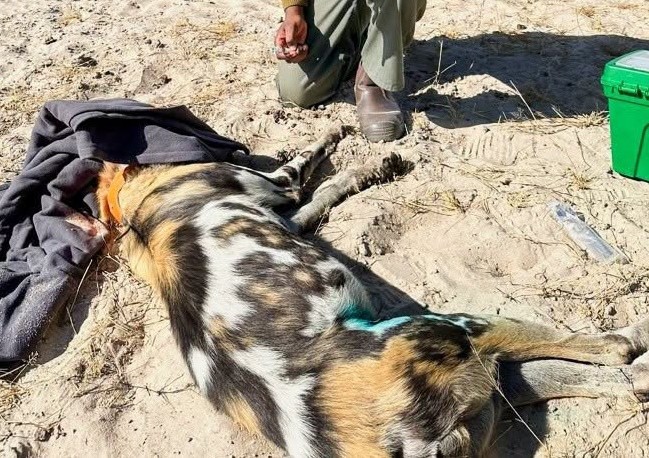
MAUN, BOTSWANA – An entire breeding pack of 20 African wild dogs – including ten puppies – has been wiped out in what authorities are calling an act of deliberate malice. The incident has sent shock waves through the conservation community and serves as a stark reminder of the fragile existence of one of Africa’s most endangered predators.
Botswana’s Department of Wildlife and National Parks (DWNP), in collaboration with other law enforcement agencies, has arrested four middle-aged male suspects in connection with the suspected poisoning incident that occurred in the NG30 area, approximately 10 kilometres from Nxaraga.
Four suspects arrested
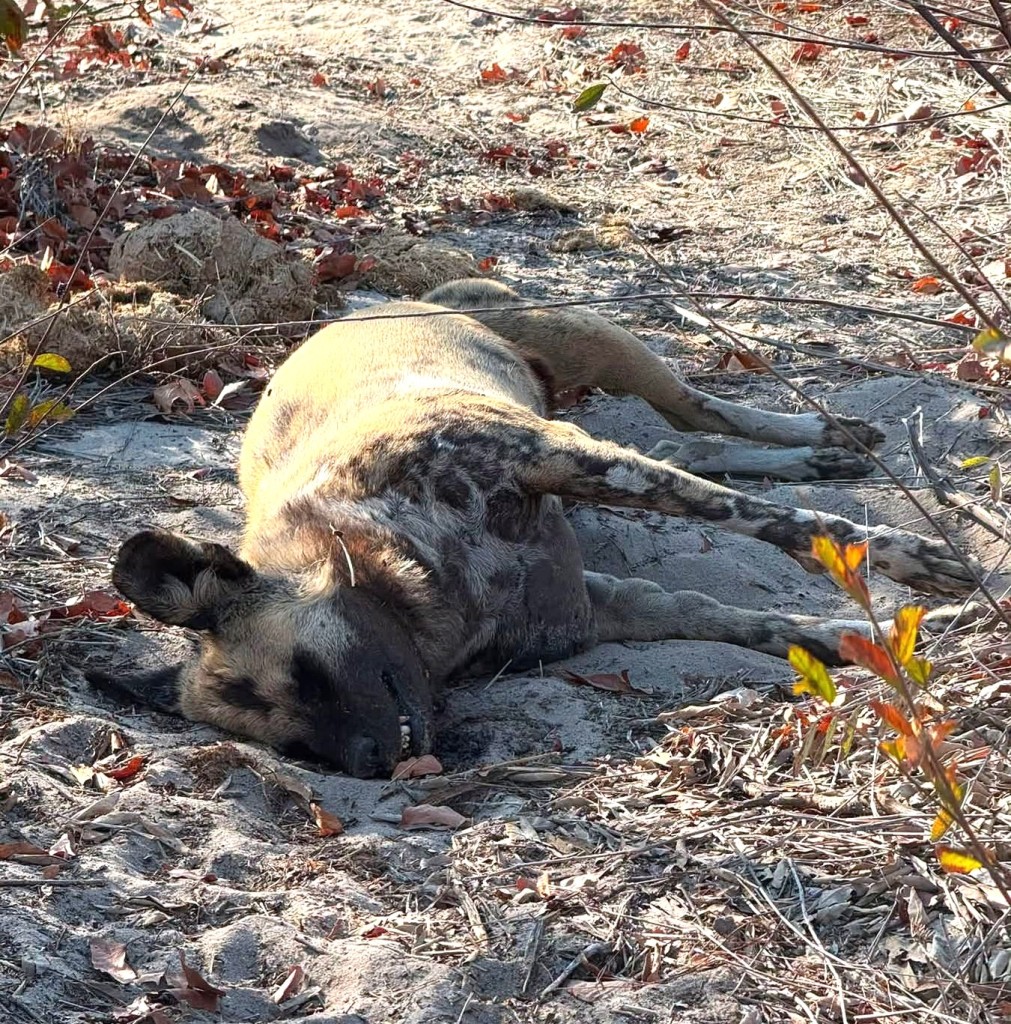
Confirming the incident, North West Acting Regional Wildlife Coordinator Thebeyakgosi Horatius stated the breeding pack consisted of ten adults and ten puppies. The carcasses were discovered on Friday 25 August during routine patrols by DWNP officers. The suspects were arrested the following day and handed over to the Maun Police Station.
According to Horatius, the wild dogs died after consuming meat laced with poison, suspected to have been embedded in the animals’ burrows by the suspects. Preliminary investigations indicate that the incident was a deliberate act of malice, with officials noting that the animals had neither damaged property nor targeted the suspects’ livestock, effectively ruling out typical human-wildlife conflict.
Tourist’s heart-breaking discovery
The tragedy was witnessed first-hand by tourist Don McCrady during what was supposed to be a memorable safari experience in the Okavango Delta. What should have been a breathtaking game drive turned into a sombre encounter that McCrady described on social media.
“After losing some livestock to these endangered dogs, a farmer placed poisoned meat around their den,” McCrady wrote, noting that 14 African wild dogs had been seen in the area the previous day, but none remained the following day. He and his group found two adult wild dogs and several puppies dead at the scene, with a kraal already under construction nearby, suggesting a possible connection to livestock-wildlife conflict.
McCrady expressed concern not only about the loss of the endangered species but also about the potential impact of the poison on other wildlife that could feed on the carcasses. “Our guides did all they could. They collected the remaining poisoned meat and safely stored it in plastic for disposal,” he said.
He described the experience as a stark reminder of the difficult balance between protecting endangered wildlife and safeguarding farmers’ livelihoods. “While the sight of hippos and elephants lifted our spirits, this was a visceral reminder of the tension between a farmer’s livelihood and the protection of endangered species,” McCrady wrote.
A species on the brink
The loss of 20 African wild dogs represents a significant blow to conservation efforts for a species already teetering on the edge of extinction. African wild dogs are officially listed as endangered on the IUCN Red List and are extinct in 25 of the 39 countries where they once lived. Fewer than 7 000 African wild dogs survive in the wild today, with only about 1400 to 1500 of these remaining animals being mature breeding adults.
Horatius emphasised that Africa’s wild dogs are the continent’s second-most endangered large carnivore and are only found in 14 countries, with viable populations remaining in just eight countries.
Call for sustainable solutions
Following the disposal of the carcasses, Horatius urged members of the community to find better ways of protecting their livestock from predators instead of resorting to poison. He also warned that poisoned carcasses endanger scavengers such as vultures and other birds that play an important role in the ecosystem, creating a ripple effect that threatens the delicate balance of the entire habitat.
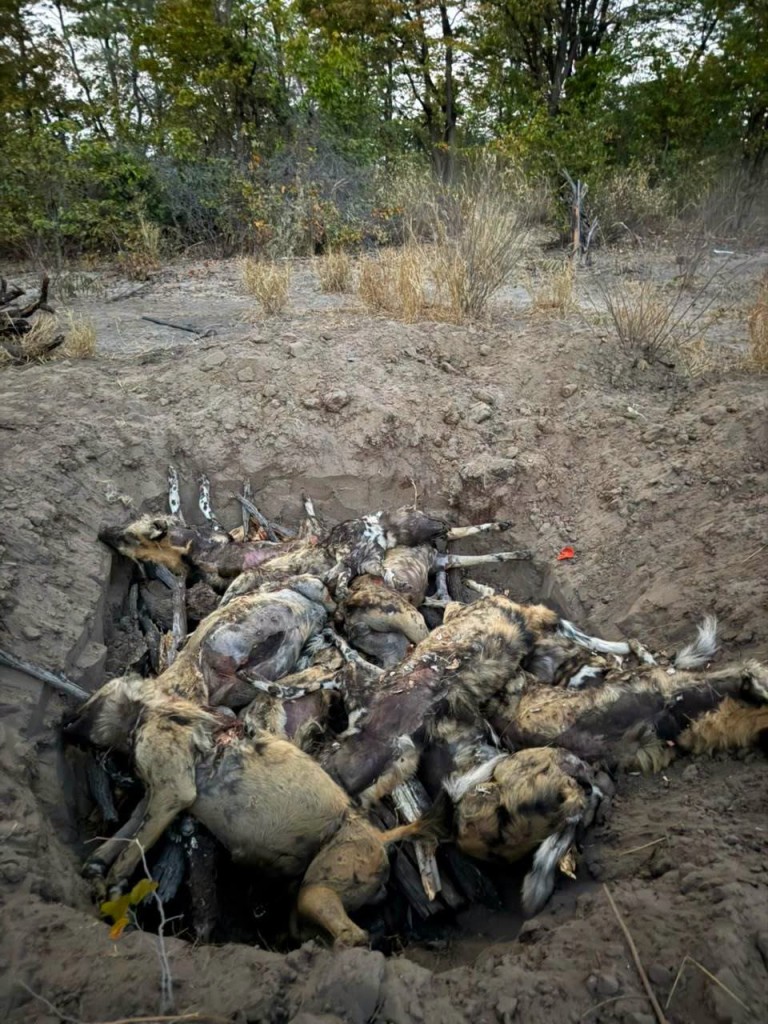
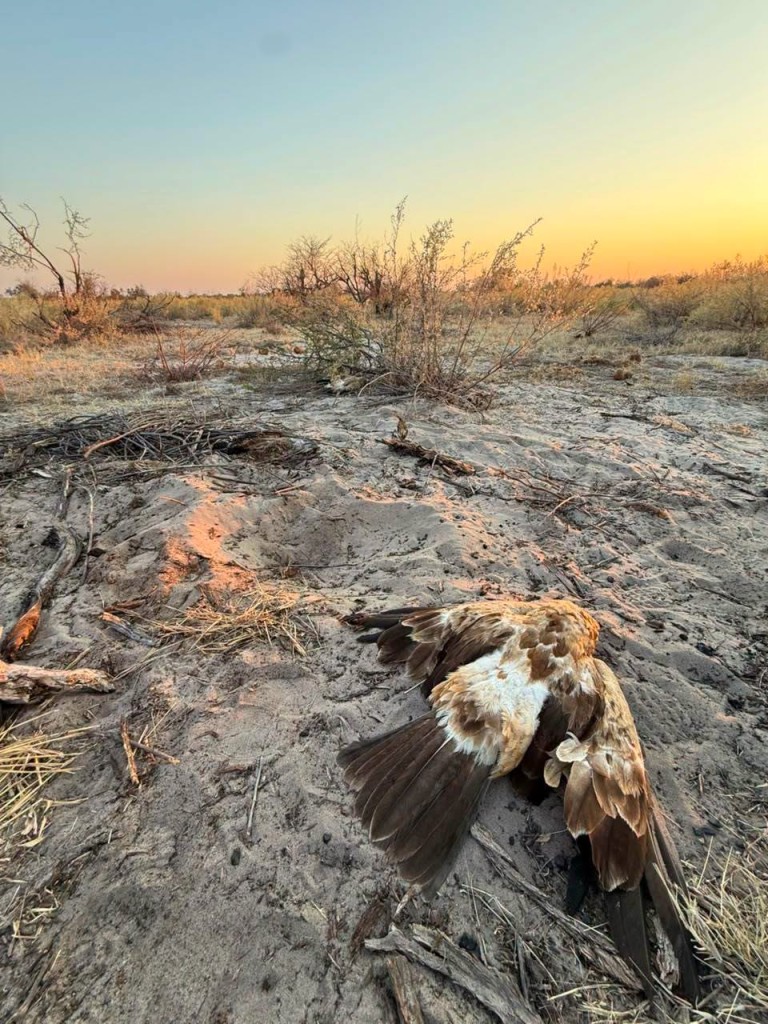
The incident comes amid growing concerns over human-wildlife conflict in areas surrounding the Okavango Delta, where livestock owners and conservationists continue to face challenges in managing interactions between communities and wildlife. As the investigation continues and the suspects face justice, this tragedy underscores the urgent need for collaborative solutions that protect both endangered species and the livelihoods of local communities.


You must be logged in to post a comment.