

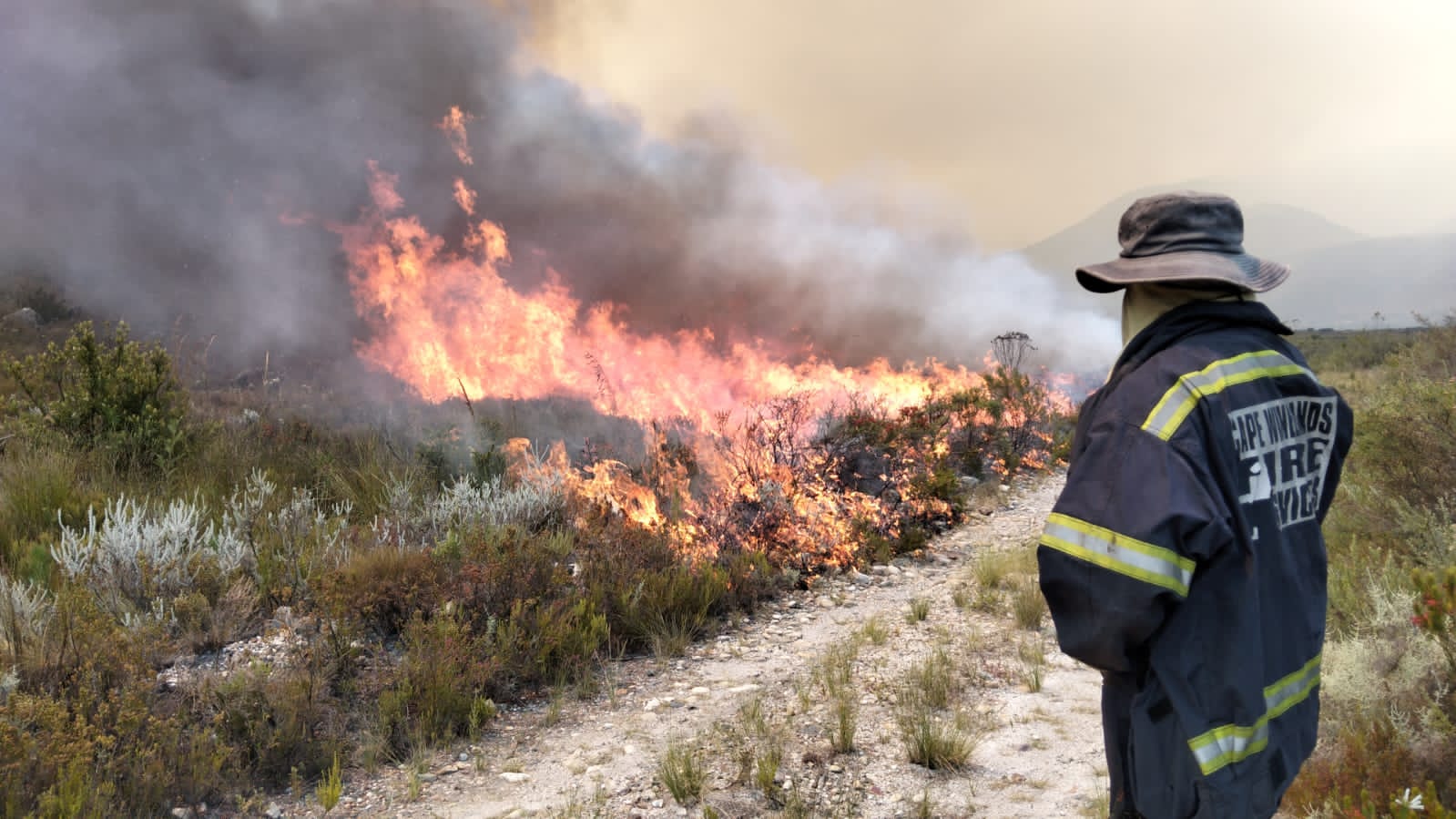
The Western Cape has experienced its most severe fire season in a quarter-century, with firefighting crews battling an unprecedented number of blazes that started weeks earlier than usual and has so far cost more than R15 million to contain.
CapeNature said in a statement that they responded to 43 fires between September and the end of November 2025, with 31 occurring in October and November alone. This compares to a historical average of just nine fires during those two months over the past 25 years.
The official fire season typically runs from 1 October to 31 March, but activity began in September 2025, well before the traditional high-risk period.
Western Cape Provincial Minister of Local Government, Environmental Affairs and Development Planning Anton Bredell said the province experienced hot, dry and very windy conditions that made firefighting extremely difficult.
“The season was also longer than usual, as warm and dry conditions continued into the autumn season,” Bredell said. “Successful wildfire management is only possible if a wide range of role players work together.”
Wind was a primary factor in turning small, manageable fires into large, multi-day events that challenged firefighting crews.
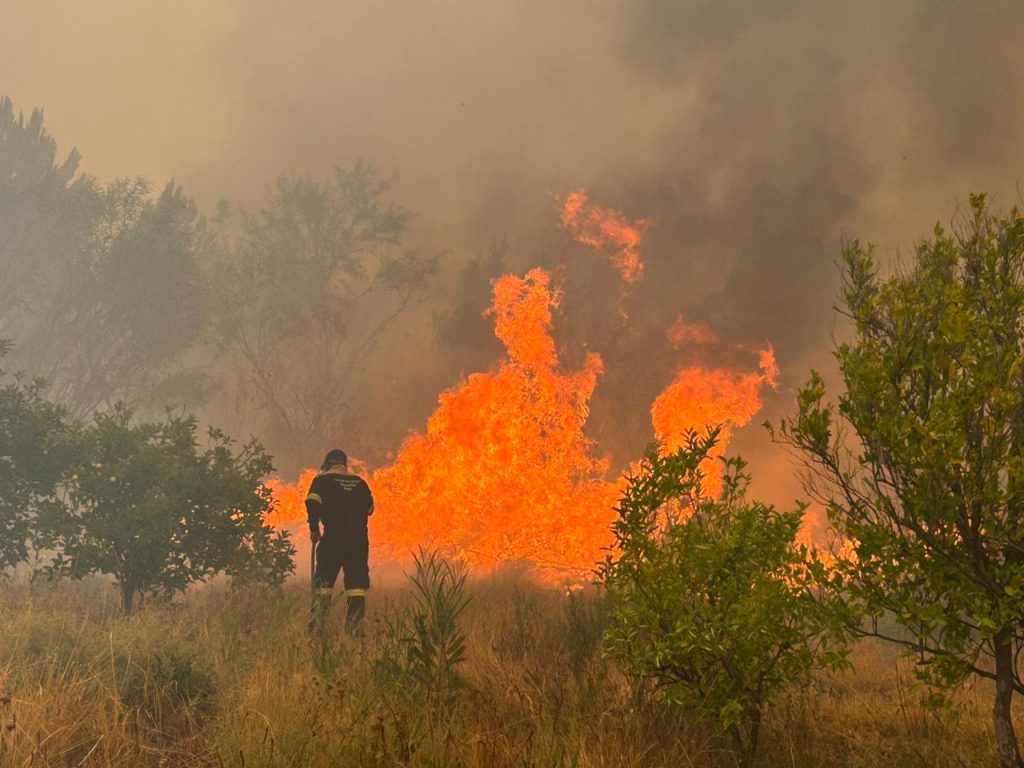
Despite the scale of the season, no lives or infrastructure were lost on CapeNature-managed land, largely due to advanced planning and community collaboration. Firebreaks around staff housing, offices, stores and tourism cottages created safe anchor points for firefighting operations.
In the Cederberg, a 30-metre-wide firebreak at Algeria Bosdorp, constructed in partnership with the community, enabled successful back-burning operations that saved the settlement from advancing flames. Firebreaks around the Ceder plantations limited the loss of saplings and mature trees of one of the region’s most endangered tree species.
While natural causes such as lightning, rockfalls and animal activity account for a small fraction of wildfires, most ignitions this season were human-induced.
The South African Weather Service has forecast above-normal temperatures and below-normal precipitation for the March to May period, extending the risk well beyond the official end of the fire season.
ALSO READ: Western Cape battles wave of early summer wildfires across multiple districts
CapeNature CEO Dr Ashley Naidoo said the public needed to remain vigilant and mindful.
“Small braais or cooking fires, even throwing out lit cigarettes can be ignition sources for very large fires,” Naidoo said. “One spark in these dry and windy conditions is all it takes to start another catastrophic blaze.”
The firefighting cost for CapeNature alone has exceeded R15 million and is expected to rise with drier than usual winter months ahead.
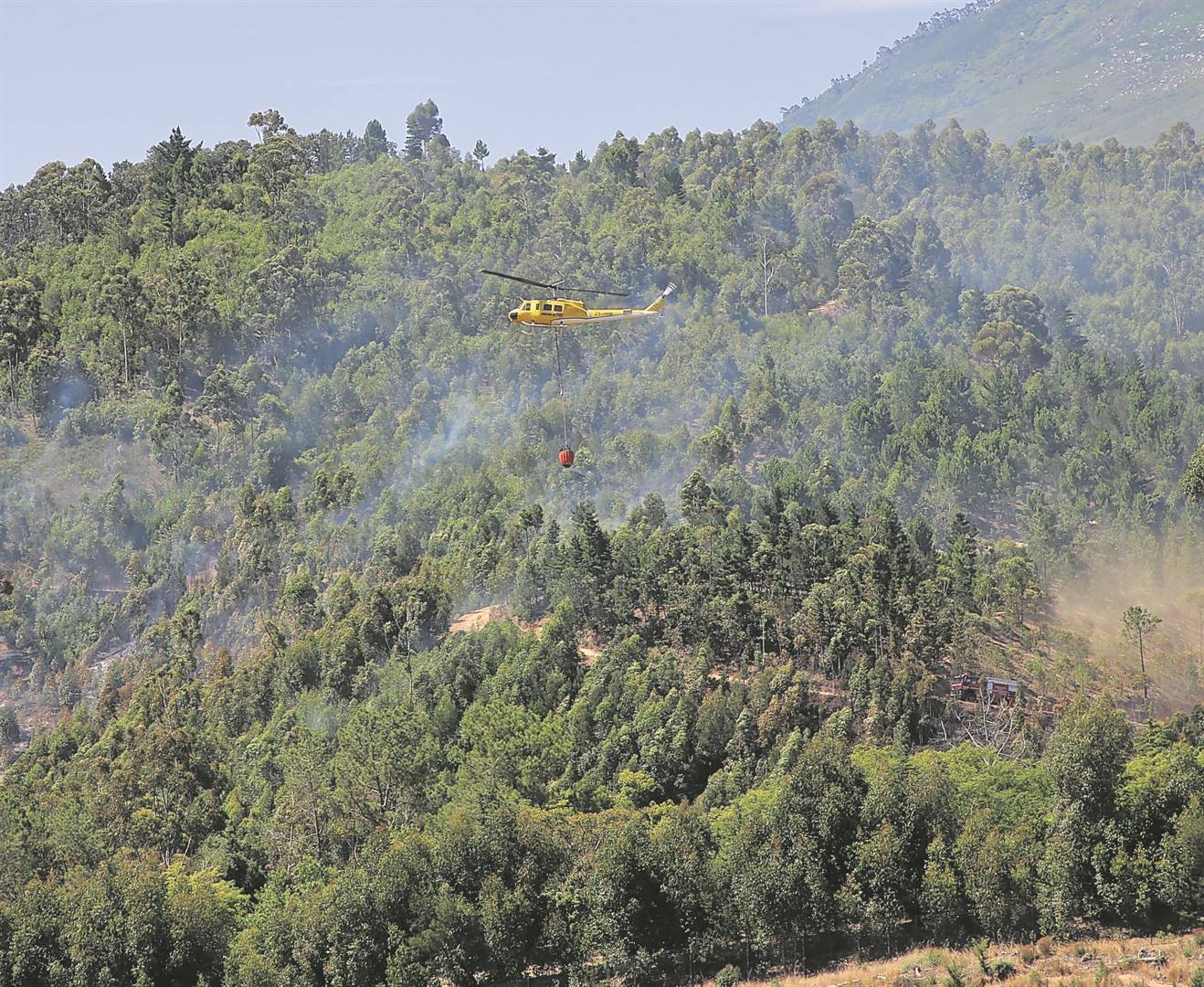
CapeNature stated that partnerships among volunteer organisations, neighbouring landowners, Fire Protection Associations, professional firefighting outfits and municipal fire services, were instrumental in coordinating effective response efforts.
ALSO READ: Three fires rage across Cape Winelands district; fueled by strong winds



You must be logged in to post a comment.