“If you were to base your choice on where to live in South Africa on the quality and safety of drinking water, the Western Cape should be your number one choice,” Anton Bredell, Western Cape Minister of Local Government, Environmental Affairs and Development Planning said.
Bredell was responding to the latest Blue Drop Progress Report, developed by the Department of Water and Sanitation. This report measures and reports on the quality and safety of drinking water supplied by Water Management Authorities in South Africa.
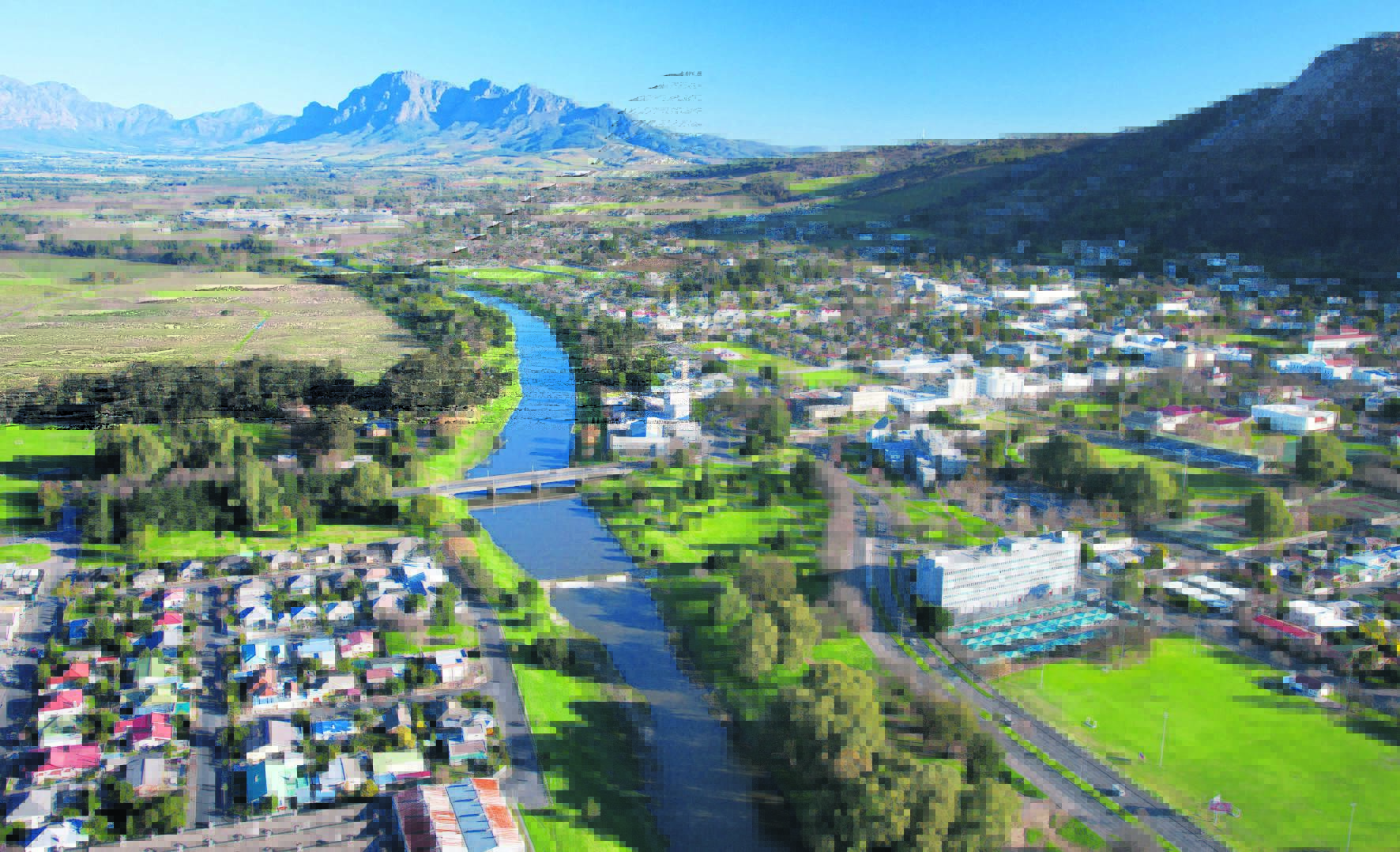
Here Drakenstein shared top honours in this report.
Bredell said the report provides invaluable insight into local authorities’ ability to provide one of the most basic and essential services to communities. “Citizens in South Africa should take note of the findings reported here and hold their local governments accountable if their performance is lacking. As with the Green Drop Report, the Blue Drop Report is also a reflection of a municipality’s overall performance.”
According to the Blue Drop Report, the Western Cape has the largest percentage of water systems which comply with microbiological and chemical monitoring compliance. Bredell said the Western Cape has 149 water treatment plants with a total capacity of 2 509,1 mega-litres per day.
Overall, the Western Cape achieved a score of 93,7% for Microbiological Compliance, 91,0% for Chemical Compliance, 82,1% for Microbiological Monitoring Compliance, and 50,4% for Chemical Monitoring Compliance.
These results stand head and shoulder above the national averages of 72,2% for Microbiological Compliance, 73,3% for Chemical Compliance, 55,1% for Microbiological Monitoring Compliance, and 33% for Chemical Monitoring Compliance.
The report also evaluates water supply systems according to a risk profile, calculated as a combination of the plant’s design capacity, operational capacity, water quality, technical skills, and the presence of a water safety plan.
Measured against these criteria, the Western Cape has 85% or 108 supply systems, regarded as low-risk.
There are 10 supply systems in the medium-risk category, and four supply systems are in the high-risk category.
The report indicates five supply systems in the Western Cape are in the critical-risk category.
“We are proud of our 85% low-risk water systems, but equally concerned about the high risk and critical risk systems identified in the report.
“The Western Cape Department of Local Government, together with our colleagues from DWS are working closely with those local authorities in Knysna and Kannaland to support them and to develop strategies to improve the long-term quality and safety of their water supply systems.
Bredell congratulated the top water supply systems identified in the Report: Beaufort West Municipality, Bergrivier Municipality, Bitou Municipality, Drakenstein Municipality, Rheenendal in Knysna Municipality, Overstrand Municipality, and Botrivier in the Theewaterskloof Municipality.
Drakenstein Municipality’s Wastewater Treatment Works (WWTW) also rates among the best performing facilities in the Western Cape, according to the newly released Green Drop Western Cape 2022 Report.