


Nederburg wine farm, a fan favourite wine destination among Drakenstein residents and beyond, proudly introduced its regenerative farming concept, which focuses on an rehabilitating the land rather than just sustaining it.
The farm, owned by Heineken Beverages, adopted this environmentally friendly approach in 2022 and has since sucessfully regenerated 25% of the wine farm with it systematically being phased in.
According to Isabel Teubes, Nederburg’s viticulturist, and Henk van Graan, Heineken’s agricultural specialist, these regenerative methods include biological-wastewater treatment, the establishment of cover crops, the production of self-made compost and the use of biochar generated with a biochar machine, with Nederburg being the first wine estate to implement this sustainability practice through the use of this machine. The thought behind Nederburg adopting regenerative farming, according to Van Graan is to “leave the soil better than they got it” by combining “old wisdom and new technology”.
Changemakers
In what could be a first for South Africa’s wine industry, Nederburg has introduced a closed-loop irrigation system linking its vineyards and cellar. The initiative has cut the wine farm’s dependence on municipal water, saving around 45 000 cubic metres annually while boosting grape yields and fruit quality.

According to Teubes the installation of automated biological-wastewater treatment technology is enhancing Nederburg’s self-sufficiency and climate resilience. Should expansion be required, the farm could increase its vineyard area by 8% without raising its water usage.
The system, in place since January 2024, relies on a locally developed, trademarked method that uses no additional electricity and requires neither membranes nor filtration.
It operates by introducing 43 specially-sequenced bacterial strains into the cellar’s effluent water. These microbes break organic matter down and even some inorganic material, treating the water to drinking-grade standards that exceed the Department of Water and Sanitation’s guidelines.
The treated water is channelled into seven on-site dams and reused for vineyard and garden irrigation as well as cleaning cellar equipment. Any overflow into the Berg River has, according to Teubes, improved aquatic health and water quality.
“We are seeing the immensely positive impact of irrigation water quality on our soils, their structure, and their water-holding capacity,” she said.
Longstanding sustainability
Microbial communities also support carbon sequestration, locking atmospheric carbon into the soil through root systems and photosynthesis.
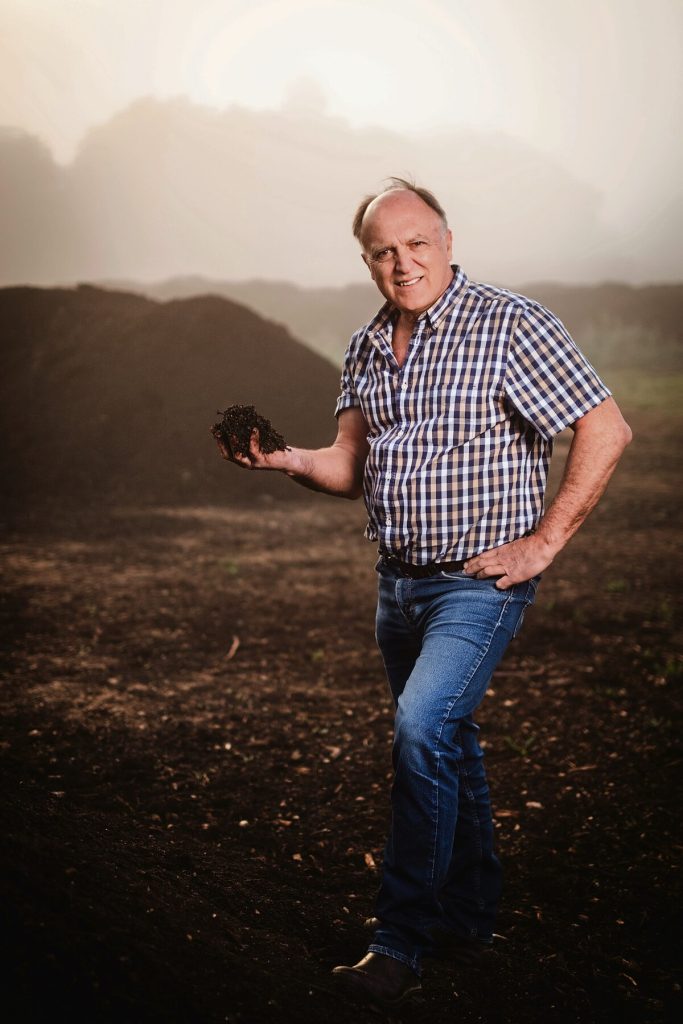
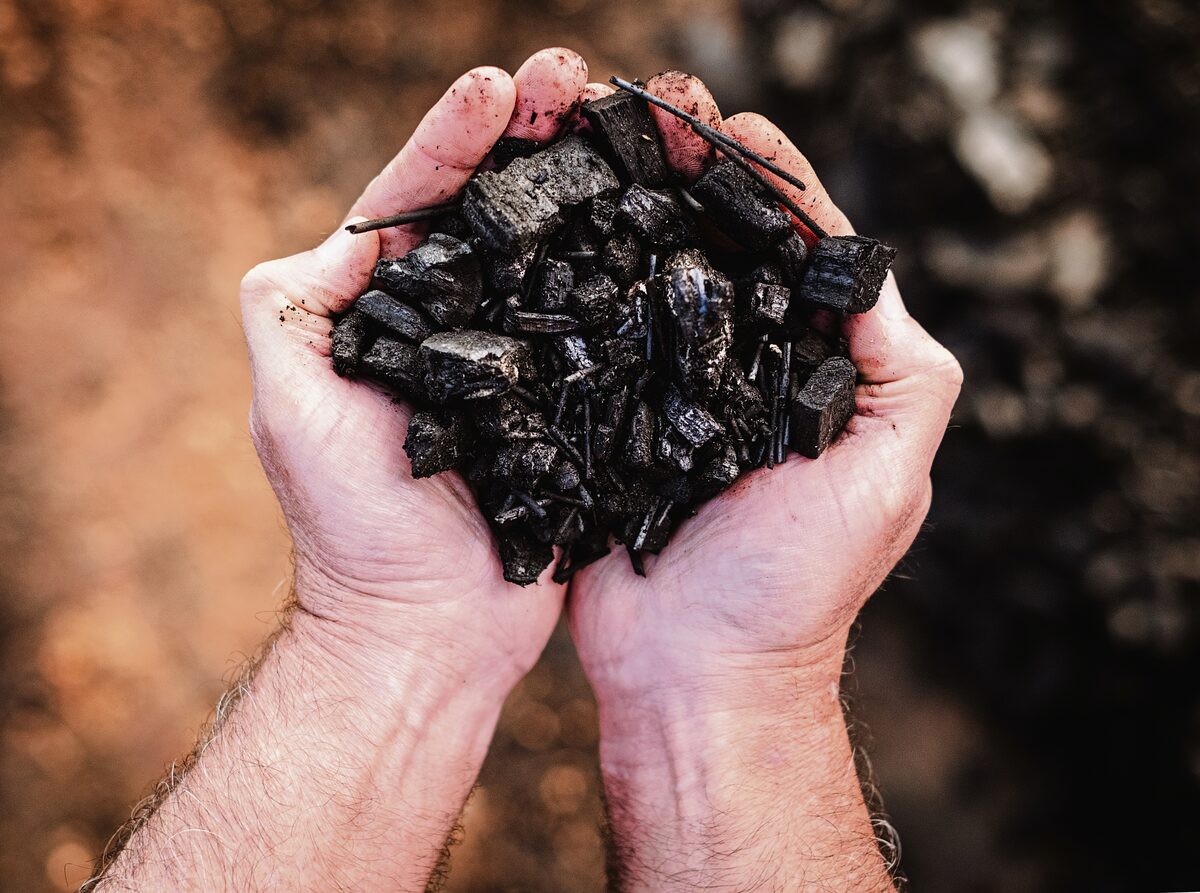
To strengthen this process Van Graan produces biochar (charcoal made from biomass) on Nederburg. Biochar, considered carbon-negative, stores carbon for centuries while improving soil structure, reducing acidity and encouraging microbial activity. Wood used in the Biochar machine includes thatch from restored thatch roofs on the farm, old vines and wine barrels.
“When mixed with compost from grape skins, stems, pips, and other organic matter, and inoculated with nutrients, biochar creates a porous environment that retains water and reduces reliance on chemical fertilisers,” he said.
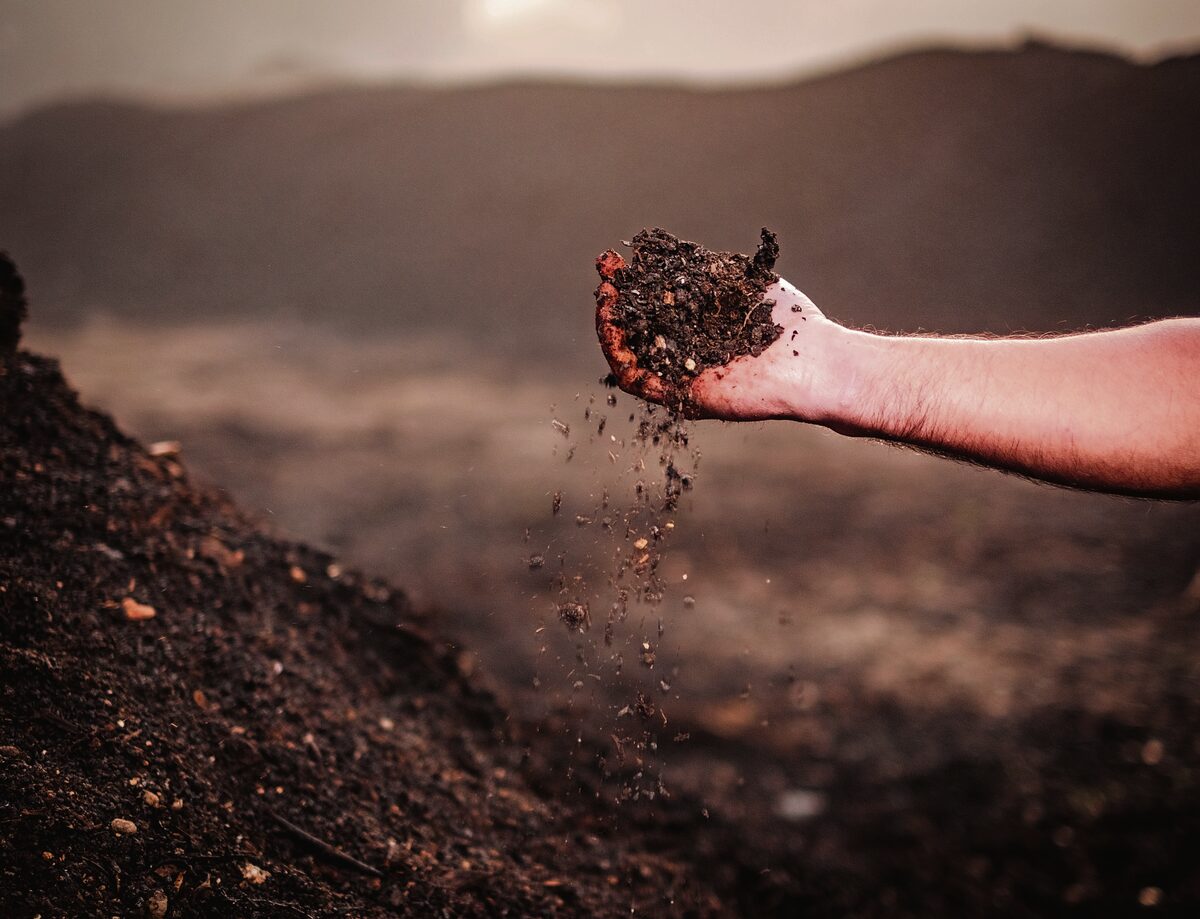
“The compost, stored on the farm in the form of carbon compounds, is analysed every 12 months once it has been produced,” Van Graan added.
Nederburg’s sustainability credentials are longstanding. It has been a WWF Conservation Champion since 2020, recognised for water stewardship and has introduced water-saving irrigation, rehabilitated land, and refined cellar processes.
Nearly three decades ago it also piloted South Africa’s Integrated Production of Wine (IPW) protocols, now standard across the industry.
Teubes believed these steps underscored the importance of preparing for a drier future. “Enhancing nutrient bio-availability in soils strengthens vines against disease and climate extremes. We can already see the benefits, even after less than two years.”
For Van Graan the shift reflected a broader philosophy. “Regenerative methods such as biological wastewater treatment, biochar production, and composting are not simply about reducing inputs.
“They are about giving back to the land, creating balance, and ensuring long-term resilience.”


You must be logged in to post a comment.