

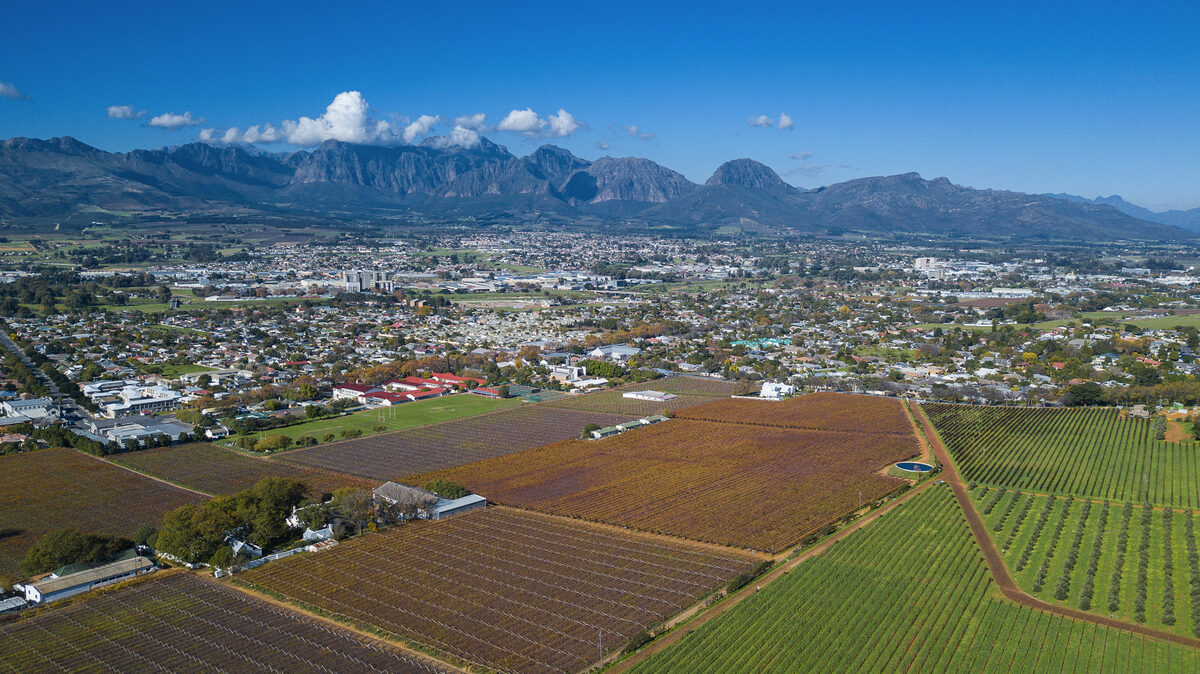
Rapid growth, infrastructure investment and the protection of Drakenstein’s rural identity took centre stage during a media engagement hosted by Drakenstein Municipality at Ashanti Estate on Thursday (7 May).
The media was briefed on how the municipality plans to manage increasing development applications while safeguarding the natural environment, agricultural land and heritage character that define Paarl, Wellington and surrounding areas.
Municipal officials said Drakenstein continues to experience an unprecedented boom in residential, commercial and industrial development as more residents and businesses move to the region because of its strategic location, reliable infrastructure and quality living environment.
Wayne Hendricks, Drakenstein’s manager for spatial planning and heritage, indicated that the population within Drakenstein grew from 279 500 in 2016 to 311 600 in 2026. This is also an increase from 66 576 households to 74 190 households over the last decade. Hendricks added that during the last 10 years 93 major developments were created, some of which are still under construction.
In his presentation Hendricks pointed out Drakenstein’s economic growth with an increase of 140% of the valuation roll from R52 Billion to R125 Billion.
For Drakenstein it is their continued vision to be a city of excellence with agriculture, heritage and transport infrastructure as some of the important focuses. According to Hendricks some of the municipality’s plans include a new taxi rank.
“It has come to our attention that our taxi rank in Paarl at Shoprite is not up to standard. This will not be something that happens overnight, but we are looking to upgrade the taxi rank with a new spot in mind.”
Important pointers that came up during the engagement, especially in terms of Drakenstein’s growth, is the municipality’s 20-year population growth projections. They predict that in 20 years time 419 680 people will be living within Drakenstein, with an increase of 104 920 households. With this in mind, Hendricks indicated that the following will be need to be established: 30 primary schools; 12 secondary schools, 6 local clinics; 2 children’s homes; 2 homes for the aged; 5 community halls, 2 fire stations, 2 police stations and 1 new cemetery.
Infrastructure planning takes place in close coordination with the Western Cape Government to ensure schools, healthcare facilities, roads and transport systems are able to accommodate future growth.
In recent years finding placement for children at schools within Drakenstein has become a frustrating task, as current schools are unable to accommodate everyone. Hendricks says that although this is the municipality’s predictions, it is the duty of the Western Cape Education Department (WCED) to build schools based on recognised needs and available land to build on.
During the engagement, the municipality outlined how all development applications are assessed through a transparent framework guided by the Municipal Land Use Planning Bylaw and the municipality’s Spatial Development Framework (SDF), among other necessary processes. The SDF serves as the municipality’s primary planning tool and is used to direct future growth while protecting valuable farmland, biodiversity corridors and open spaces.
According to Stephen Korabie, Drakenstein’s executive mayor, the municipality remains committed to responsible and balanced growth that benefits communities without compromising the environment.
“Development in Drakenstein is purposeful and carefully planned to serve the long-term interests of our people.”
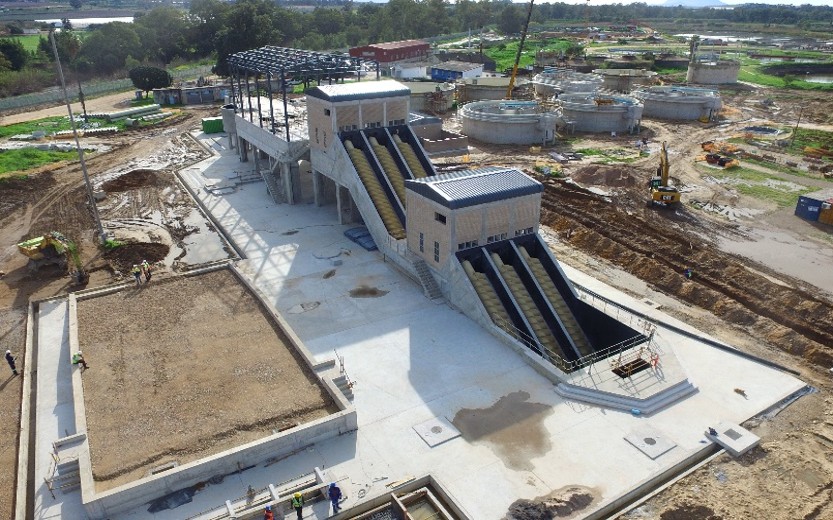
One of the municipality’s largest projects is the R1.4 billion upgrade and rehabilitation of the Paarl Wastewater Treatment Works and bulk sewer system in Southern Paarl. The project is dubbed as the biggest infrastructure investment in the municipality’s history and forms part of broader efforts to ensure bulk services keep pace with development.
Road upgrades currently underway or in planning phases include the upgrade of the R45 (Simondium Road), the extension of Berg River Boulevard between Oosbosch and Lang streets, upgrades to Carolina Road in Paarl East, Main Road 189 (Old Paarl Road) and improvements to Schuurmansfontein Road.
Recent private-sector investment in the municipal area was highlighted during the engagement, including the construction of the new Life Paarl Valley Hospital, a R415 million development that will include a 140-bed private hospital and Level 1 Trauma Centre, on which Paarl Post previously reported on. Other developments include upgrades at Paarl Mall and Paarl Junction, as well as new residential estates and retail projects across Paarl and Wellington.

You must be logged in to post a comment.