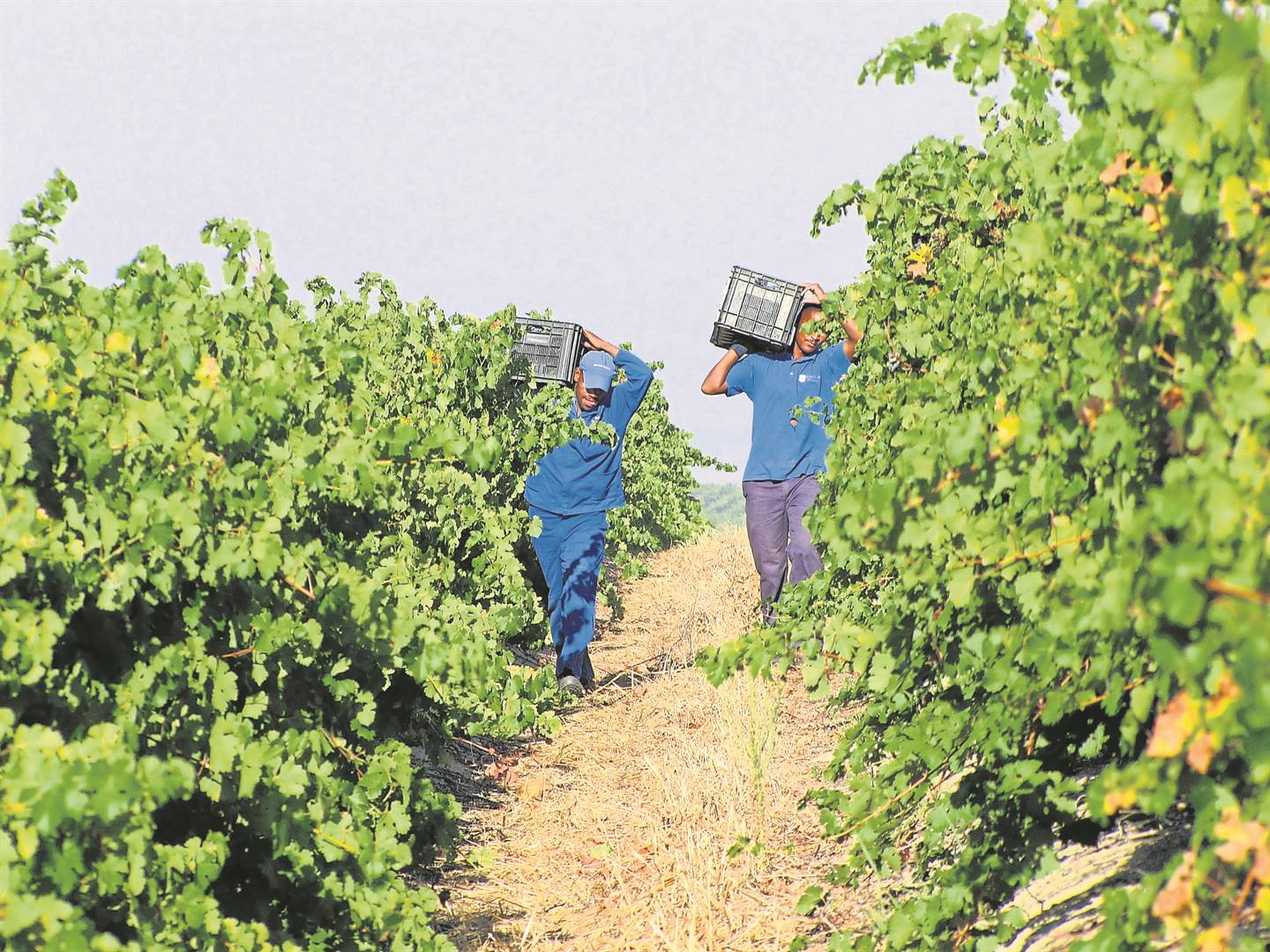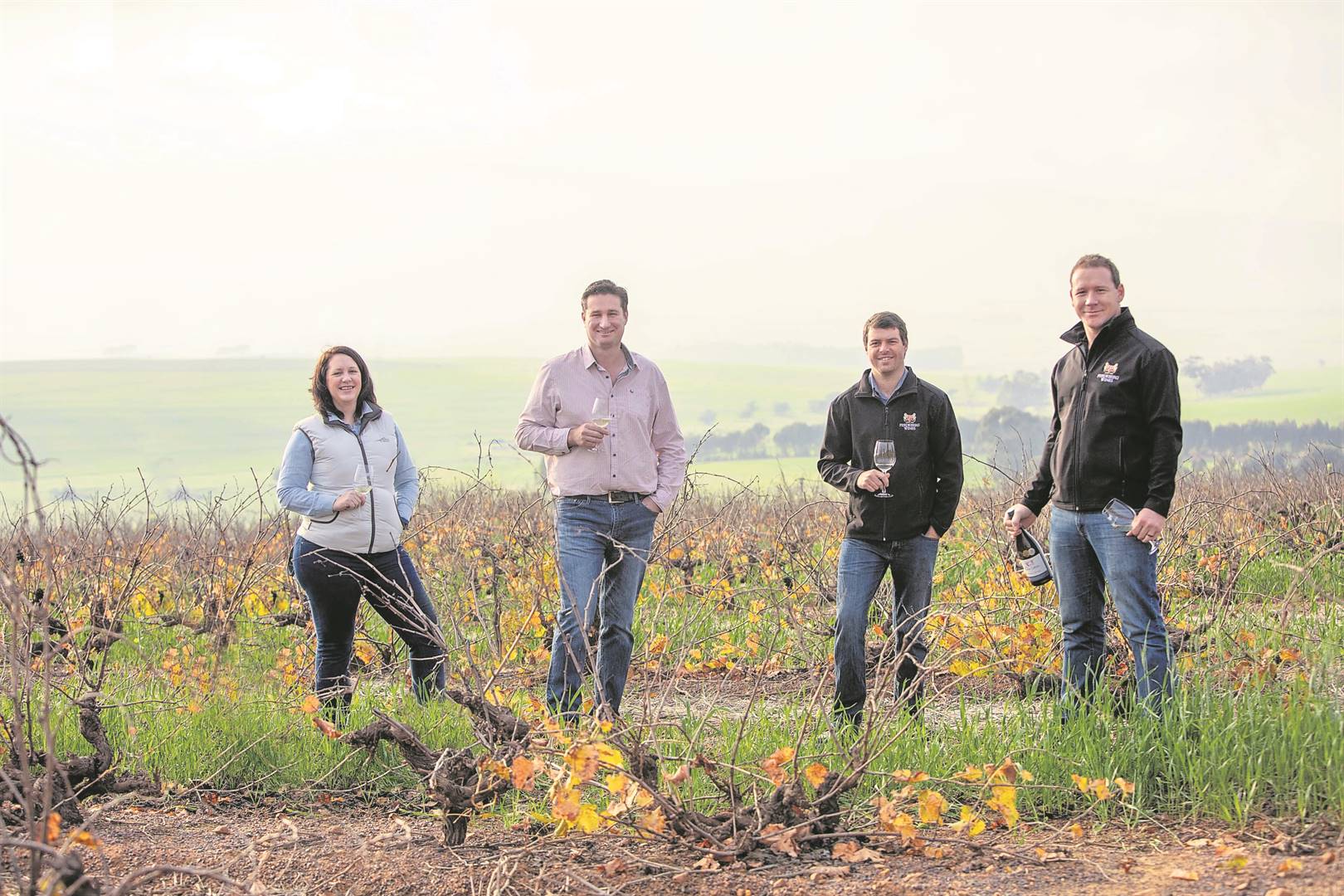
South African wine producers are regaining confidence as the 2026 harvest progresses, with the third crop estimate indicating a larger harvest and quality indicators showing strong potential across several cultivars.
With approximately three-quarters of the harvest already completed by early March, the industry now expects a larger 2026 harvest. The national vineyard area has remained largely stable, declining by only 19 hectares year-on-year to 85 525 hectares, reflecting a period of consolidation after recent structural adjustments in the sector.
According to Dr Etienne Terblanche, manager of Vinpro Consultation Services, favourable climatic conditions during key stages of the vineyard growth cycle laid the foundation for a positive harvest.
“Moderate summer conditions during bunch initiation in 2025 created a strong basis for fruit development in 2026. Combined with healthy vine canopies after harvest and winter rainfall close to long-term averages, vines entered the new season with sufficient reserves and good soil moisture levels,” Terblanche said.
“Warm, dry spring conditions led to budburst roughly 10 days earlier than usual, with particularly even budding and minimal frost damage. These conditions supported good flowering, fertilisation and fruit set, resulting in improved cluster numbers per vine, especially in early cultivars such as Chardonnay, Pinotage and Chenin Blanc. Although smaller berry size occurred due to the dry conditions, this was largely offset by increased fertility, meaning more berries per cluster or more bunches per vine.”
After a prolonged period of hot, dry and windy weather, February rainfall across several wine-growing regions brought welcome relief, helping to alleviate earlier concerns about water availability. While localised showers created sanitary challenges in some vineyards, the rain also helped stabilise production expectations in many regions.
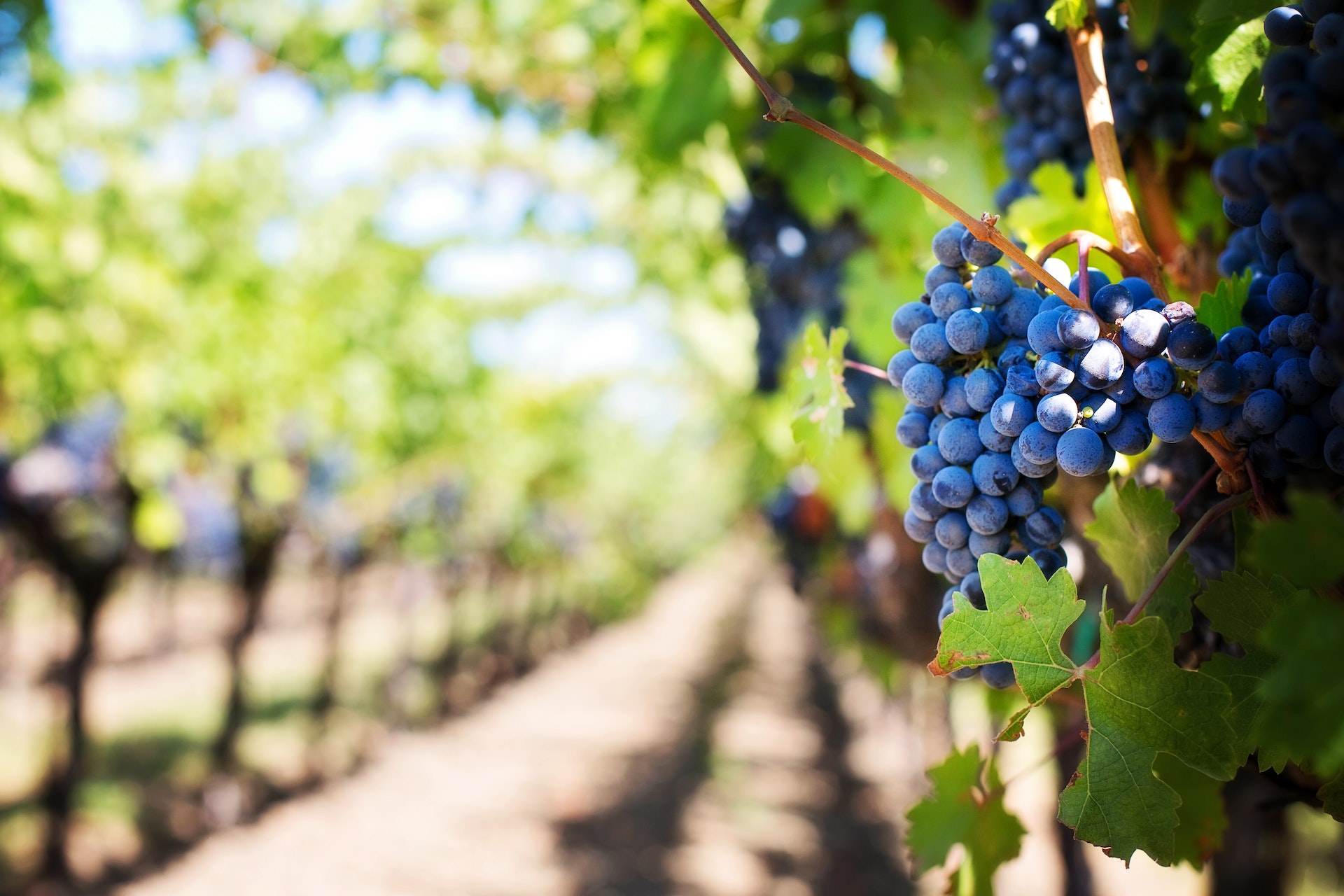
Initial quality indicators for the 2026 vintage are promising, particularly among early cultivars, which are showing balanced sugar and acidity levels. Late red varieties are also progressing well, with small berries and good colour development indicating excellent wine quality potential.
The harvest period has also been relatively compact due to earlier ripening trends and temporary weather-related pauses, placing pressure on cellar capacity while ensuring that grapes are processed at optimal maturity levels.
Rico Basson, chief executive of South Africa Wine, said the improved crop outlook and promising quality indicators are encouraging for the South African wine industry.
“Following a more subdued sales period in some markets over the past year, the larger harvest will require careful supply management across the value chain. At the same time, it strengthens our ability to respond to growing opportunities for South African wines globally, while continuing to build the country’s reputation for quality, diversity and value. The focus remains on stimulating demand, expanding market access and ensuring the long-term sustainability and competitiveness of the industry,” Basson said.
ALSO READ: South African wine industry eyes promising 2026 harvest after favorable winter weather conditions