The Overberg is predominantly led by the Democratic Alliance (DA).
And as the DA, opposition parties and independent candidates prepare to contest local government elections across the region, coalition parties, changing ward boudaries and local service delivery concerns are shaping the electoral landscape.
Moreover, these factors are becoming increasingly influential in the run-up to the vote.
The Overberg’s four local municipalities – Overstrand, Theewaterskloof Cape Agulhas and Swellendam – enter the election with different poliical histories and landscapes.
While the DA holds a majority in Overstrand and Swellendam, Theewaterskloof (TWK) has experienced repeated changes in political leadership. In addition, Cape Agulhas has a history of fragmanted council representation.
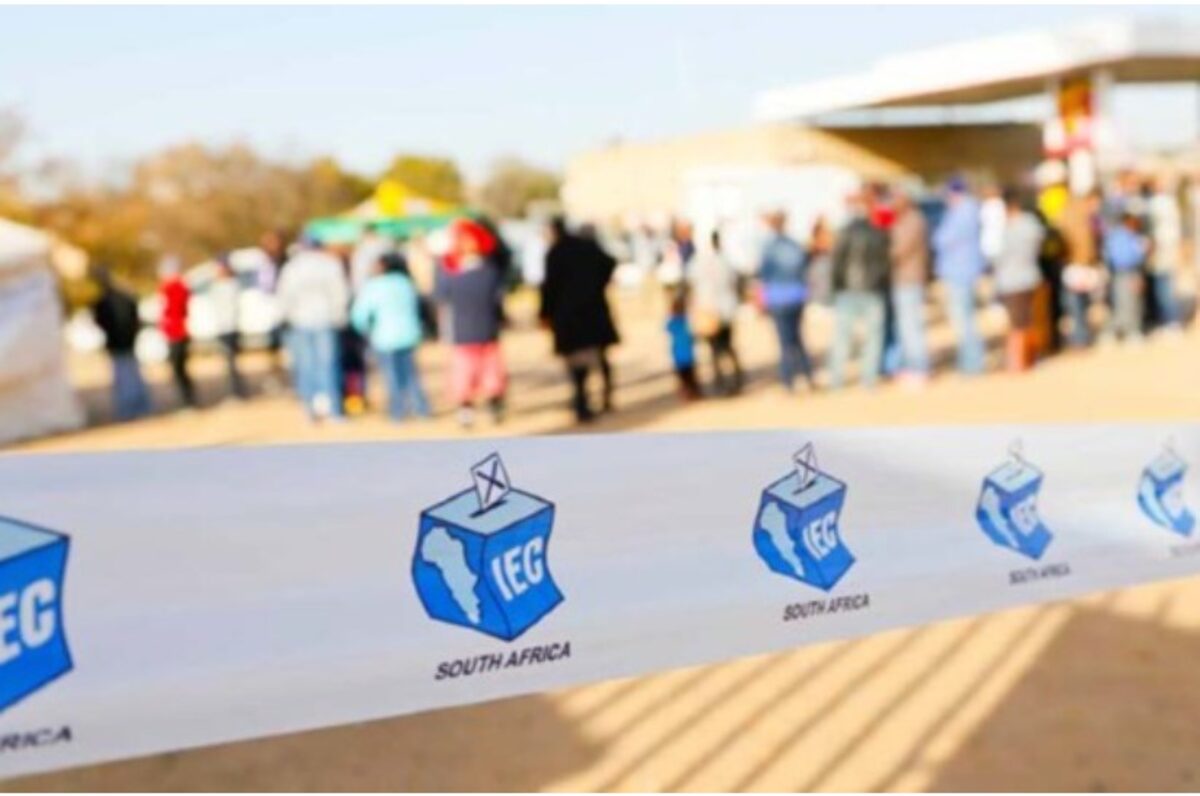
The 4 November local government elections are set to determine the composition of four local councils. Furthermore, they will determine respresentation in the Overberg District Municipality.
The results will also show whether parties which have gained new ground in recent by-elections can translate those gains into broader representation.
The Electoral Commission of South Africa (IEC) has certified candidates for the 2026 elections nationally.
However, final candidate totals and the number of registered voters in each Overgerg municipality should be confirmed against the latest official records before publication.
Overstrand: Can the DA overcome its crowded contest?
In the 2021 elections, the DA won 17 of Overstrand Municipality’s 27 council seats, securing an outright majority.
The party enters the 2026 contest amid competition from the African National Congress (ANC), Freedom Front Plus (FF+), Land Party, Economic Freedom Fighters (EFF) and other political organisations. Independent candidates are also contesting the election.
Information supplied for the election preview identifies 242 ward candidates competing across 15 wards, with 70 031 registered voters.
These figures require confirmation against the IEC’s latest certified candidate lists and voter registration figures.
Overstrand Municipality’s (OM) electoral map has expanded from 14 to 15 wards following boundary changes finalised by the Municipal Demarcation Board.
The changes affect areas incluing De Kelders, Kleinmond, Fisherhaven and Onrus, with some residents required to update their registration details.
Ward 4, covering Mount Pleasant, the Hemel-en-Aarde Valley and parts of Westcliff and Onrus, is identified in supplied information as the most contested ward. Eighteen candidates are reportedly on the ballot.
The DA’s mayoral candidate, businessman Clinton Lerm, is reportedly campaignig to retain or increase the party’s majority. The stated target: 70%.
What the elections will answer is whether the DA can maintain its council majority. It will also answer how much representation opposition parties can secure across OM’s wards and proportional-representation lists.
Theewaterskloof: Coalition history puts governance under scrutiny
TWK presents a different politcal picture, with no party securing an outright majority in the 2021 elections.
DA won 11 of the council’s 27 seats, followed by the ANC with eight. GOOD won three seats, the Patriotic Alliance (PA) two and the remaining seats went to smaller parties.
TWK subsequently experienced several changes in political leadership.
The PA’s Karel Piper became mayor in 2021, followed by Mary Liebenberg in 2023. DA councillor Lincoln de Bruyn became mayor in August 2024. GOOD’s Cynthia Clayton became deputy mayor.
These changes illustrate coalition aggreements and shifting council alliances in determining who governs.
4 November will establish whether the council remains fragmanted or whether a party secures enough representation to govern with a stable majority.
Municipal finances are another important issue.
The Western Cape Government’s reporting on the 2024-’25 municipal audit cycle identified a qualified audit outcome for TWK. At the same time, capital-budget implementation and financial recovery remain areas for scrutiny.
ALSO READ: Theewaterskloof: Can coaltion politics deliver stable local government?
This election provides an opportunity to examine what corrective measures have been implemented and which infrastructure projects reamain outstanding. Additionally, parties will state what they propose to improve financial management and service delivery.
Cape Agulhas: Fragmanted council and new competition
In Cape Agulhas, the DA emerged as the largest party in the 2021 elections, winning five of the council’s 11 seats. The ANC won three, the Dienslewerings Party two and FF+ one.
DA’s position as the largest party did not translate into an outright majority, highlighting the importance of smaller parties in the municipality’s political arrangements.
The PA’s entry into the 2026 contest has attracted attention.
On 20 October, Hermanus Times described the party’s arrival as a potential disruption to the existing political balance.
ALSO READ: The arrival of the PA can scramble the cards in Cape Agulhas
Whether the PA can secure council representation and how other parties perform in relation to their previous results, will become clear only after the votes are counted.
The election also presents an opportunity to compare parties’ proposals on local service delivery, infrastructure maintenance, water and sanitation, housing and the needs of communities spread across Bredasdorp, Struisbaai, Napier, Arniston and surrounding settlements.
Swellendam: Recent PA gain adds to election questions
The DA won six of Swellendam Municipality’s 11 council seats in 2021, securing a majority, while the ANC won four and the FF+ one.
However, the municipality’s political picture has shifted since that election.
In October 2025, the PA won a ward from the ANC in Swellendam, a result that highlighted the potential for changes in support at ward level. The by-election result does not, on its own, establish a broader shift in voter support across the municipality.
The 2026 election will show whether the party can build on that gain. It will also reveal whether the DA can retain its council majority.
Swellendam has also faced historical governance and community-trust challenges, including protests and reports of damage to municipal offices.
These events provide background for investigating residents’ concerns but should not be treated as proof that the same issues remain unresolved.
Candidates’ plans for municipal accountability, infrastructure delivery and services in Swellendam town, Barrydale, Suurbraak and surrounding rural communities will be important areas to examine.
Regional issues extend beyond party politics
Across the Overberg, election campaigns will take place against a backdrop of infrastructure, employment, housing and municipal-finance pressures.
The Western Cape Government’s regional economic profile identifies water security, infrastructure needs, unemployment and inequality as important issues affecting the district.
Their effects vary between municipalities and communities, making ward-level reporting essential.
Overberg District Municipality also has a role in regional coordination, including disaster management and other district-level functions.
Voters’ experiences of municipal services therefore cannot always be attributed to a single council without checking which authority is responsible.
For residents, the election will determine who represents their communities and which parties have the numbers to govern.
For the municipalities, it will establish the political arrangements under which budgets, infrastructure projects and service-delivery priorities are pursued during the next council term.