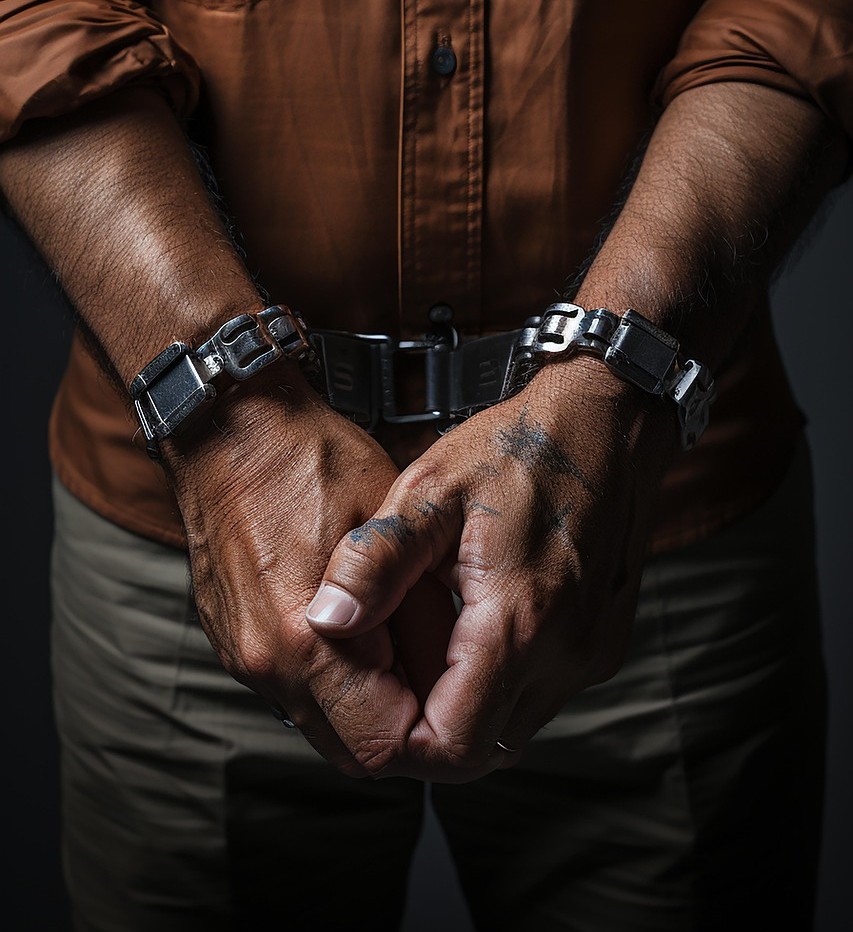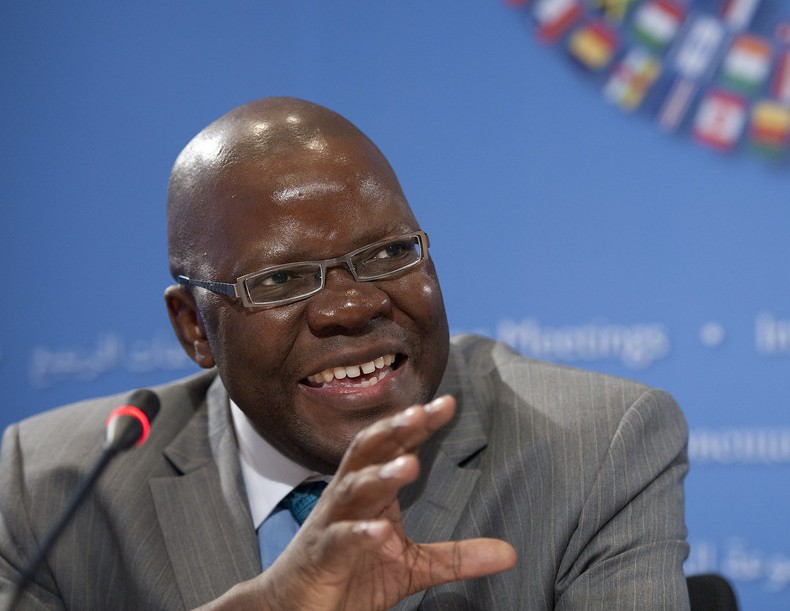
HARARE – A prominent Zimbabwean opposition politician and former minister was arrested on Saturday while organising a rally against controversial constitutional reforms that would extend President Emmerson Mnangagwa’s time in office.
Tendai Biti, a lawyer and former finance minister, was detained in Mutare, a town on the border with Mozambique, along with activists and journalists, according to the Constitution Defenders Forum (CDF).
“I condemn the arrest and detention this afternoon in Mutare of my long-standing friend, fellow lawyer and former Cabinet Minister Tendai Biti,” David Coltart, mayor of Bulawayo, the country’s second largest city, posted on social media. “His crime? Speaking out against the Constitutional Amendment.”
The arrests come amid growing opposition to a constitutional reform project launched by the government in February. The proposed changes would extend the presidential term by a further two years and replace direct popular elections with a parliamentary vote for the presidency.
A student leader was also taken from a lecture theatre at Chinhoyi University after speaking out against the reform during a meeting held there, the student union Zinasu alleged on Saturday.
No details of the charges against Biti and those detained with him have been made public.
DA calls for diplomatic intervention
The South African Democratic Alliance (DA) condemned the arrest and called on President Cyril Ramaphosa and Minister of International Relations and Cooperation Ronald Lamola to engage with Zimbabwean authorities through diplomatic channels.
“This latest act of state brutality on political freedom should sound alarm bells to the South African Presidency,” the DA said in a statement. The party warned that Zimbabwe’s situation threatens regional stability and is the source of one of South Africa’s largest migration crises.
The DA described Constitution Amendment Bill No. 3 as introducing far-reaching proposals that would usher in limitless presidential terms under the guise of technical reforms to electoral cycles and governance structures.
The party said South Africa cannot continue to ignore the crisis and must uphold its foreign policy commitments based on human rights and constitutionalism, as outlined in the Government of National Unity’s statement of intent.
The Presidency is yet to issue a statement on the arrest.
Presidential term limits
Mnangagwa (83) cannot stand for re-election after two terms in office. The proposed reform would extend the end of his term from 2028 to 2030.
Given his support in parliament, the changes are expected to be approved by a two-thirds majority in both chambers. However, opposition groups argue that such significant constitutional changes require a referendum.
ALSO READ: Zimbabwe’s farmers push on as land grab compensation flounders
The president, nicknamed the “Crocodile”, came to power in 2017 following a coup that enabled the army to oust Robert Mugabe, who had been president for 30 years.
Elected in 2018 and re-elected in 2023, Mnangagwa is accused by his critics of allowing corruption to flourish and of suppressing human rights.
Zimbabwe has been led by the Zanu-PF party since gaining independence 45 years ago. Annual inflation has been near triple digits from 2019 to 2024.
Opponents campaigning against constitutional reform told AFP they had been subjected to beatings or intimidation.
ALSO READ: We all know what is happening in Zimbabwe – so why don’t we act?