We surely need time to understand time. Not simply as an hour, day or year. Nor as the before and after moments. But time as consciousness of stories of our lives. Time as memories of the past hidden in the passages of our imagination. From time to time, we need to press the stop, rewind and play buttons to understand our past.
That is when the present was just a thought and the future a distant dream of things unknown. And it is this very past that has a way of undoing us, leaving us exposed, yearning and raw, but somewhat connected to the wholeness of ourselves.
Then, life seemed much easier in all its hardships. We learned, we laughed, we cried, and we loved. Friendships were forged, purpose was given and our future was prepared. Nothing seemed magnified under the heavy weight of the unkindness of the world. Time seemed timeless. Life was painted in bright colours of innocence, sincerity and reality.
Faces of classmates long unseen, the sadness of lives long gone, and lessons of love that never was, still pierce through our hearts like it was yesterday. Songs that defined moments in our lives, the magnetic silence of the Karoo on the way to university, and the birth of your children with faces so pure. These remain forever in our hearts.
And here we stand with feelings of time long buried that carried our younger selves. These thoughts are part of the files from the cabinet of our memories. They are the unforgettable soundtrack of our time.
Our worth and true fulfilment was determined by our intrinsic value away from the public gaze. No likes, no followers, no tags and no curated reels. We were the vibe.
The past is haunting, enchanting and painful all at the same time. It is a reminder of the human tragedy buried beneath the burden of life.
Decades later, we look back at memories of things that were and things that never were. Dreams realised, dreams deferred, and dreams faded. This is the complexity of our past described by the Japanese author, Haruki Murakami. He said: “Memories warm you up from the inside. But they also tear you apart.”
And when this happens, we need to pause, understand, heal and celebrate memories that made us. We should bravely stand at the graves of all the things that have happened to us and things we have done. We should be thankful to God for seeing us through. Doing this will help us know who we are, why we matter and why we are here.
Like Kintsugi, the Japanese art of fixing broken ceramics with gold sealant, we need to repair, restore and transform ourselves. The past was never meant to break us but to make us. We should be more kind to ourselves. After all, we are fabric of our existence tied up to our emotions, feelings, and experiences of our past.
A blend of our happiness, successes, scars, tears, and sorrows is part of our life’s journey, strength, and growth. This, we should embrace.
So, William Faulkner was right when he said “the past is never dead. It’s not even past. To forget is to betray the self.” This refers to the importance of the impermanence of time and the persistent transformation of the present into the past.
As the present wanes and becomes the past, today is tomorrow’s yesterday. And because of the past, we are a constant work in progress. Chapters of our lives are never fully written. This is the human condition of passing through this world.
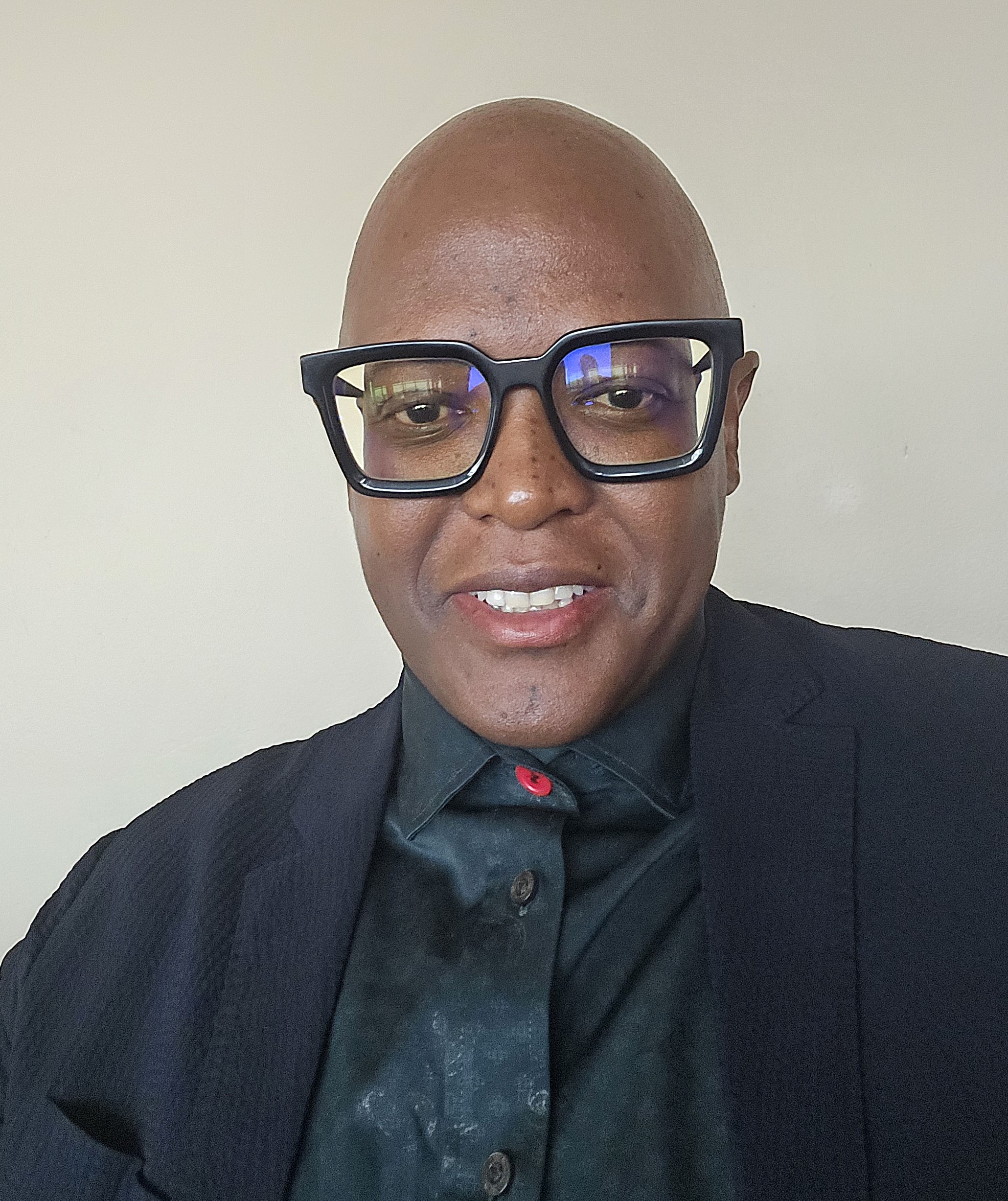
- Dr Mafole Mokalobe is a civil servant and writes in his personal capacity.