

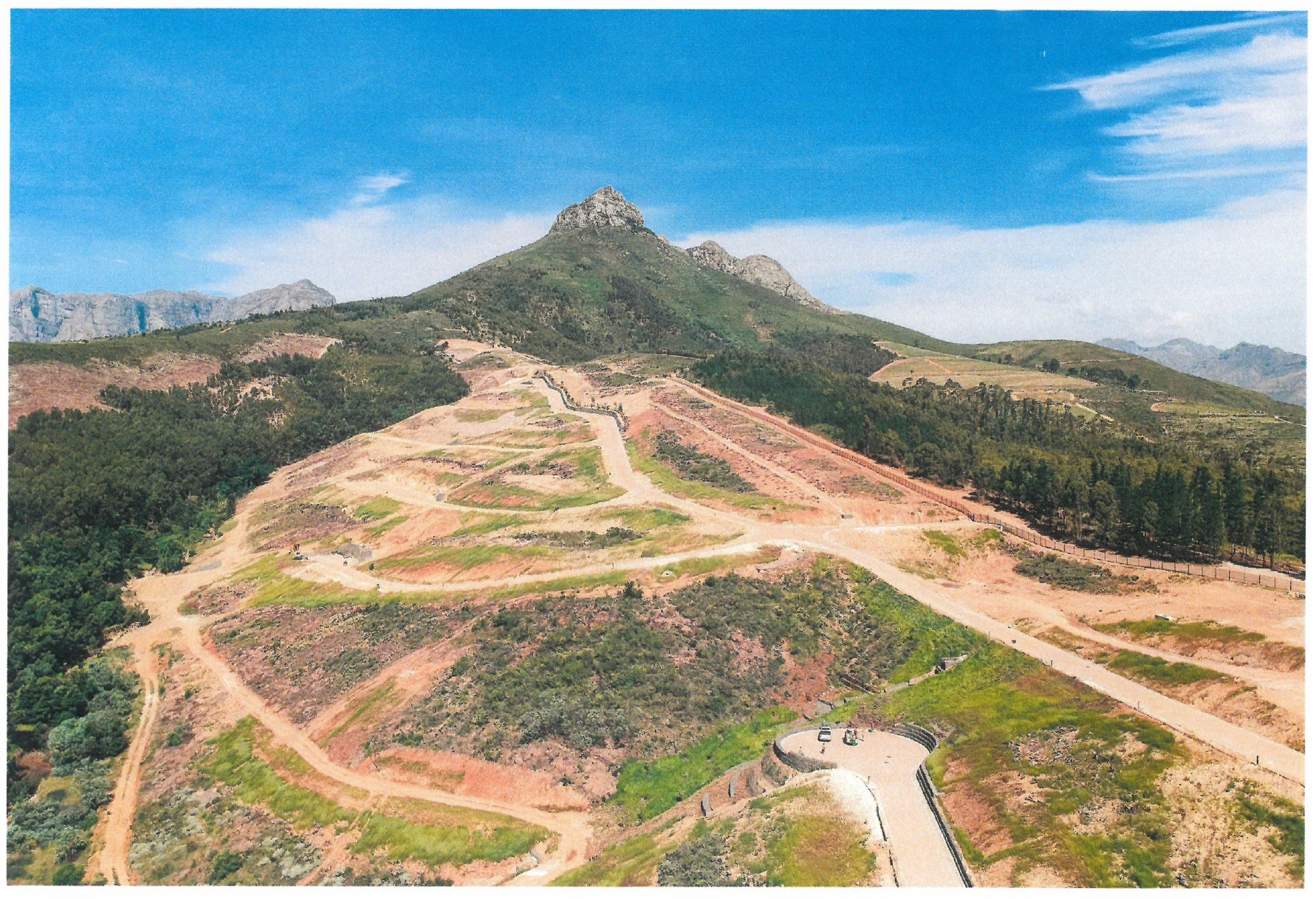
A legal dispute over a luxury residential estate on the mountainside above Stellenbosch has become far more than a disagreement over a single development.
It is rapidly emerging as one of South Africa’s most significant environmental-law cases, raising fundamental questions about public participation, environmental approvals, legal certainty and the balance between sustainable development and constitutional accountability.
The Stellenbosch Interest Group (SIG) has filed an application for leave to appeal the Western Cape High Court judgment that dismissed its review of the Botmaskop Fynbos Estate development.
ALSO READ: Court rules on contentious Botmaskop development in Stellenbosch
The appeal filed
While much of the initial reporting focused on delay, the Notice of Application for Leave to Appeal reveals a considerably broader challenge.
It raises questions about the interpretation of South Africa’s Environmental Impact Assessment (EIA) regulations, public participation, heritage protection, the commencement of authorised developments and the relationship between procedural fairness and legal certainty.
Whatever the eventual outcome the appeal has implications far beyond Stellenbosch.
It asks how South Africa should regulate developments that evolve significantly over decades and whether environmental approvals granted many years earlier can continue to authorise projects that have fundamentally changed in character.
Dispute origins
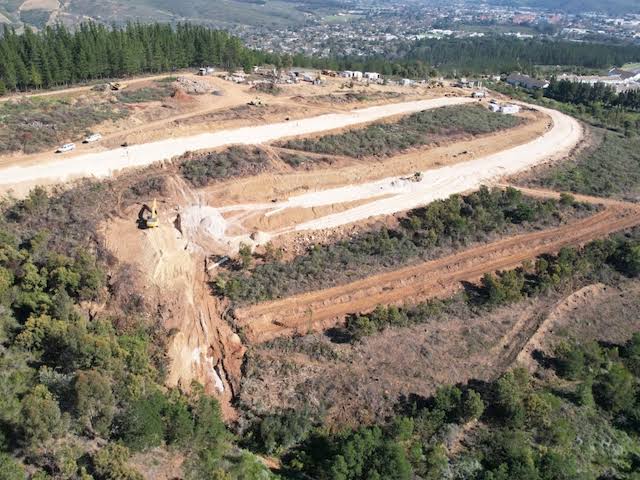
The dispute originates with an Environmental Authorisation (EA) granted in 2003 for a mountain resort. In 2021 this was amended to permit the development of Botmaskop Fynbos Estate, a gated residential estate comprising 77 erven.
SIG argues that the original EA had already lapsed before the amendment was granted.
Alternatively, it contends that even if the authorisation remained valid the transformation from a boutique mountain resort into a dispersed residential estate represented such a significant change that it should have required the more comprehensive Part 2 amendment process under the EIA regulations, including renewed public participation, rather than the simplified Part 1 amendment procedure that was followed.
That issue sits at the heart of the appeal.
At what point does an amendment become, in substance, a new development requiring a fresh environmental assessment?
It is a question with national significance.
Across South Africa environmental approvals often remain valid for many years while ownership changes, markets evolve and development proposals are redesigned. If projects can change substantially while continuing to rely on historic approvals, communities may ultimately face developments very different from those originally assessed.
ALSO READ: Botmaskop weer in hof, uitspraak kom
High court ruling
In June, the Western Cape High Court dismissed SIG’s review application.
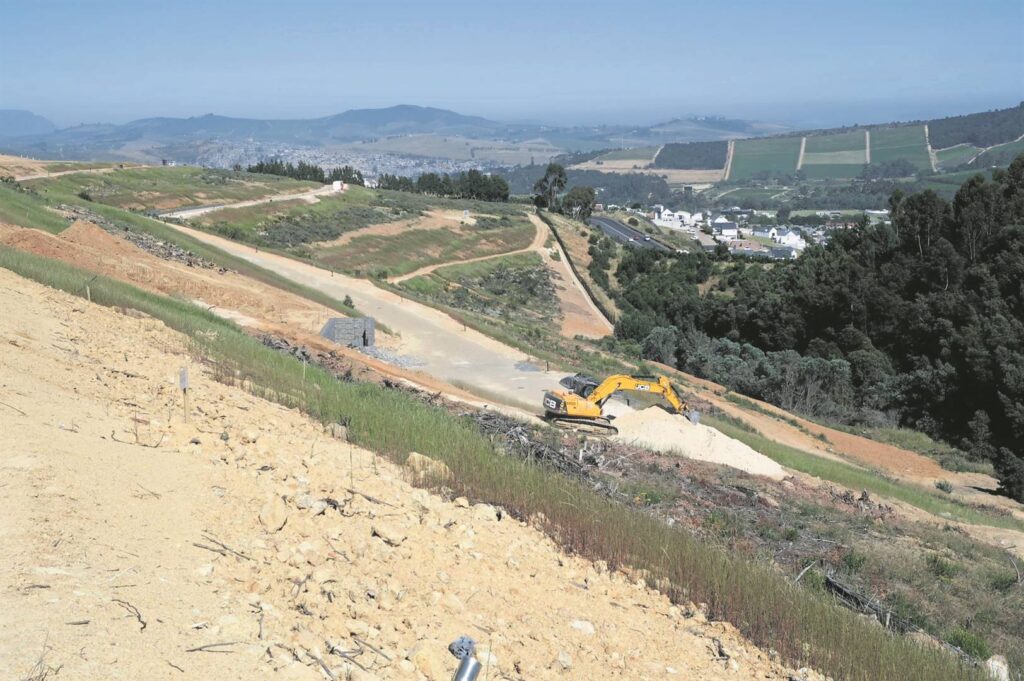
The court concluded that the 2003 EA had not lapsed because authorised activities had commenced within the required period, including the clearing of eucalyptus trees.
It also accepted evidence that the proposed residential estate would generate lower traffic, water, sewage, electricity and visual impacts than was stipulated for the previously approved mountain resort, and therefore found that a fresh public-participation process was unnecessary.
The court also placed considerable emphasis on delay. It found that SIG had questioned the validity of the EA for many years, but launched review proceedings only in 2024.
Reopening administrative decisions after such a lengthy period, the court held, would prejudice developers and purchasers who had relied on those approvals and undermine legal certainty.
Anton Bredell, Western Cape Minister of Local Government, Environmental Affairs and Development Planning, welcomed the judgment, stressing that administrative decisions cannot remain open to challenge indefinitely, while reaffirming that public participation remains a cornerstone of environmental governance.
That tension between legal certainty and democratic accountability now lies at the centre of SIG’s appeal.
ALSO READ: ‘Geen verdere werk aan Botmaskop’
Beyond the delay
The Notice of Application for Leave to Appeal demonstrates that the group’s challenge extends well beyond the issue of delay. It argues that the court should have fully considered several substantive legal questions before dismissing the review on procedural grounds.
Among the issues now raised are whether the 2021 amendment should have proceeded under the more rigorous Part 2 amendment process, whether the change from a mountain resort to a 77-unit residential estate constituted a material change in scope, whether the original EA remained capable of amendment at all, whether interested and affected parties should have received formal notification and an opportunity to participate, whether heritage legislation required further assessment, and whether the court had given sufficient weight to the alleged unlawfulness of the administrative decisions before refusing relief because of delay.
ALSO READ: Botmaskop-storm vererger: Kriminele klagtes ingedien
The appellate courts will ultimately decide whether those arguments have merit.
Public participation rights
One of the appeal’s most important issues concerns public participation. SIG alleges that interested and affected parties were never informed of the 2021 amendment and therefore lost the opportunity to exercise their statutory right to lodge an administrative appeal.
According to the appeal this was not simply an explanation for delay, but potentially a fundamental procedural defect affecting the validity of the amendment itself.
That distinction matters because public participation is not merely an administrative formality. It is one of the principal safeguards built into South Africa’s environmental legislation, ensuring that communities understand proposed developments, contribute local knowledge and hold decision makers accountable.
The appeal therefore raises an important legal question: Can delay fairly be held against affected communities if there is a genuine dispute over whether they were properly notified of the decision in the first place?
Footprint concerns
The appeal also challenges aspects of the evidence concerning the scale of the approved development.
It argues that there are inconsistencies between environmental approvals and later planning approvals regarding development footprints and building footprints.
Whether those alleged discrepancies ultimately prove legally significant will depend on the complete EA, amendment documents, planning approvals and expert evidence.
Nevertheless, the issues highlight the importance of consistency between environmental and planning approvals.
Public confidence depends on communities being able to understand precisely what has been authorised and why.
Heritage protection
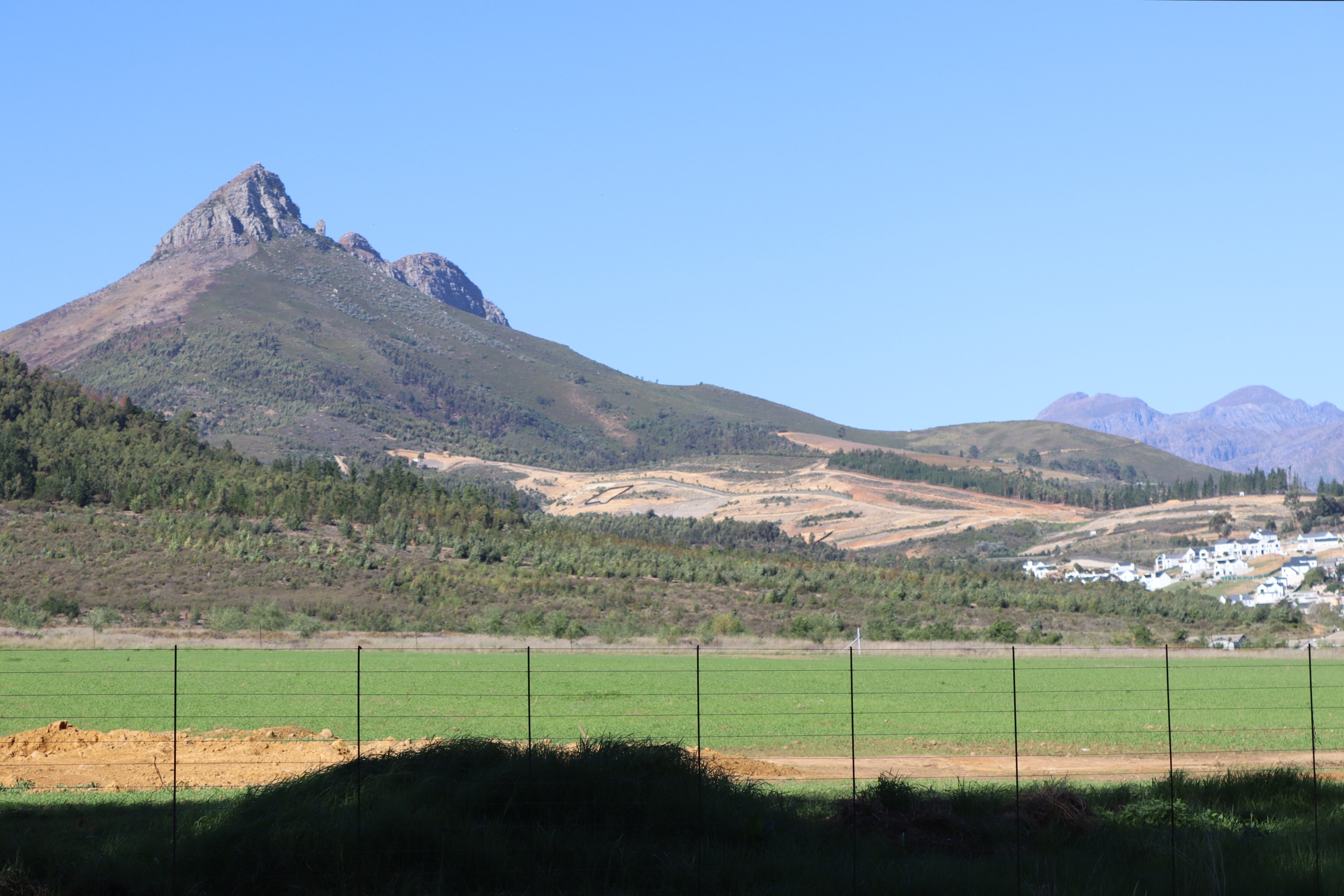
Another significant issue concerns heritage protection; Botmaskop forms part of the broader landscape linking Stellenbosch, Helshoogte, Pniël and the Franschhoek Valley, an area recognised for its cultural, historical and environmental significance.
SIG argues that the materially different development authorised in 2021 required further consideration under the National Heritage Resources Act.
Whether that argument succeeds remains for the appellate courts to determine, but it reflects the increasingly close relationship between environmental governance and heritage conservation, where development occurs within culturally significant landscapes.
ALSO READ: Seldsame blom ‘herrys’ in berg
Costs and consequences
The appeal also challenges aspects of the court’s costs order.
Following the judgment public attention focused on the punitive attorney-and-client costs awarded in certain aspects of the proceedings. SIG argues that constitutional principles governing public-interest environmental litigation, including the Biowatch principle and section 32(2) of the National Environmental Management Act, should have received greater consideration.
The issue extends beyond this case. Environmental litigation is often brought by voluntary organisations acting in the public interest.
While courts must discourage abusive litigation they must also ensure that legitimate public-interest challenges are not deterred by the risk of disproportionate financial consequences.
For communities across the Cape Winelands, including Franschhoek, the appeal has particular significance.
The region continues to experience growing pressure from residential estates, tourism developments and infrastructure projects within environmentally and culturally sensitive landscapes.
The principles established in the Botmaskop appeal may influence how future environmental approvals, amended developments and public-participation processes are approached throughout the region and beyond.
The bigger picture
Ultimately, this case is not about whether development should occur. South Africa needs investment, housing, employment and economic growth. The real question is how development should proceed.
Should environmental approvals granted decades earlier continue to authorise substantially different developments? When should meaningful public participation be required? How should legal certainty be balanced against procedural fairness? And how should courts approach public-interest environmental litigation where constitutional rights and environmental protection intersect?
Whatever the appellate courts decide Botmaskop has become much more than a dispute over a luxury estate overlooking Stellenbosch.
It is now a defining test of whether South Africa’s environmental-governance framework can provide certainty for responsible development while preserving transparency, accountability and the constitutional promise to protect the environment for both present and future generations.
Nick Marais Reyneke is a conservationist and sustainable-development practitioner from Franschhoek with more than 20 years’ experience. His work has focused on biodiversity conservation, sustainable tourism, community development, heritage protection and environmental governance. He has been involved in a range of public-interest initiatives relating to protected areas, the Baviaanskloof UNESCO World Heritage Site and responsible rural development, working with governments, NGOs, communities and private-sector partners to advance conservation and sustainable development. This article was first published on the “Stop the Franschhoek Skytram“ Facebook group.



You must be logged in to post a comment.