I was born free. At least, that is what the constitution says. Yet, thirty years into democracy, following the Madlanga Commission and Lt-Gen Nhlanhla Mkhwanazi’s explosive testimony, it is clear we are free in name but shackled in practice.
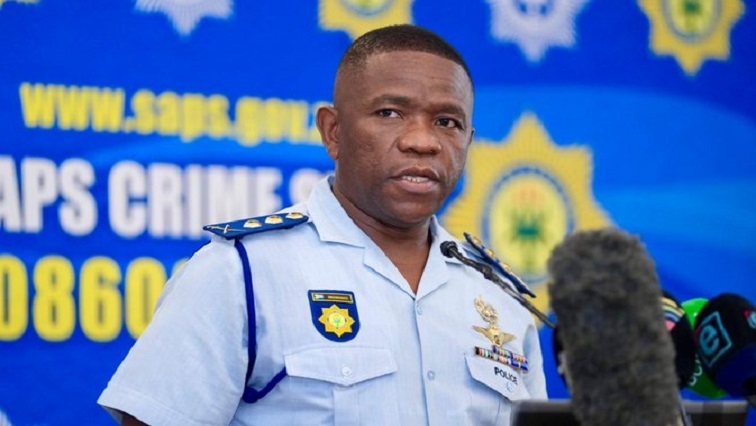
Mkhwanazi, KZN’s top police officer, revealed that specialised unit, the Political killings task team (PKTT) investigating politically linked murders were disbanded.
He alleges this was to protect powerful interests and allow criminal networks to operate unchecked.
Meanwhile, ordinary citizens like us continue to suffer,from hijackings to contract killings.
The Madlanga commission exposes deliberate systemic failures. History also shows commissions rarely deliver justice without political will and public pressure.
Economic chains are just as strong
Corruption is only one layer of our limited freedom.
Economic dependence compounds the problem.
South Africa’s sovereignty and ability to implement bold policies are tied to global investors, credit ratings, and the dollar.
Policies that could empower marginalised communities are often blocked by fears of capital flight or market backlash.
We are politically free on paper, yet economically tethered.
Our choices remain limited by forces far beyond our borders.
The irony of our “freedom”
The irony is stark. Like enslaved souls in Carolina plantations, who longed for liberty promised by nature but denied by law, we too are confined.
Greed, political interference, and economic pressures define the boundaries of our democracy.
Freedom is both a birthright and a daily struggle, constantly threatened by those in power and by global forces.
George Orwell’s Animal Farm reminds us that leaders who once fought for liberation can become indistinguishable from the tyrants they replaced.
“Absolute power corrupts absolutely” and greed,whether for wealth, influence, or survival,permeates every institution.
Power seduces and corrupts
Our liberation is not only about fighting corruption,it is also about resisting the allure of power itself.
Power twists ideals and erodes integrity. It turns those who dreamed of equality into protectors of privilege.
In South Africa, this shows in political interference with law enforcement, manipulation of justice institutions, and the diversion of opportunities meant to uplift the many.
Accountability is a process, not an event
The Commission matters not because it guarantees justice, but because it exposes the system that allows corruption to persist, yet exposure alone is insufficient.
We must demand prosecutions, reforms, and stronger institutions. Otherwise, we risk being spectators to our own continued disenfranchisement.
Hope is a choice
Hope persists. Freedom is not only a legal declaration,it is a lived reality, claimed through vigilance, courage, and civic engagement. We must demand transparency, hold leaders accountable, and pursue policies that truly empower citizens.
Being “born free” is not enough. Thirty years into democracy, we must ask; have we truly experienced freedom, or are we still trapped in a gilded cage of corruption and economic dependence?
Making freedom real
The Commission is a step forward,but not the last. Our collective resolve,to insist on justice, transparency, and economic sovereignty,will determine whether “born free” becomes a reality for all South Africans.
A future built on hope and equality is still possible. But it requires courage,not just from those who testify in commissions, but from all of us who refuse to accept the gap between the freedom we inherit and the freedom we deserve. Only then can being “born free” mean something real.