WESTERN CAPE – Operation PROSPER has resulted in 133 arrests across several categories of criminal activity, the confiscation of illegal firearms and drugs, and the recovery of stolen vehicles in the Western Cape.
The operational figures, covering the period from 1 April to 31 October, come as the effectiveness of the deployment faces increasing public scrutiny, with some critics questioning whether the military intervention has made a meaningful difference in communities plagued by violent crime and organised criminal activity.
However, Captain Walter Kassaka, Operational Communication Officer at Joint Tactical Headquarters Western Cape, says the results demonstrate that the operation has made a tangible contribution to disrupting criminal activities and supporting law enforcement efforts.
He argues that its effectiveness should be assessed against its operational achievements rather than the expectation that crime would disappear within a few months.
Firearms, drugs and illicit goods seized
According to the operational figures, the joint deployment has resulted in the confiscation of 10 illegal firearms, four imitation firearms, 113 rounds of ammunition and 16 dangerous weapons, including knives.
A total of 12 arrests were made in connection with illegal firearms and ammunition, while 92 people were arrested for drug-related offences.
The operation also resulted in 11 arrests for illegal liquor dealing, 14 arrests relating to other serious offences, including assault with intent to cause grievous bodily harm, murder and possession of dangerous weapons, and four arrests of undocumented migrants.
The value of confiscated illicit goods and recovered property includes:
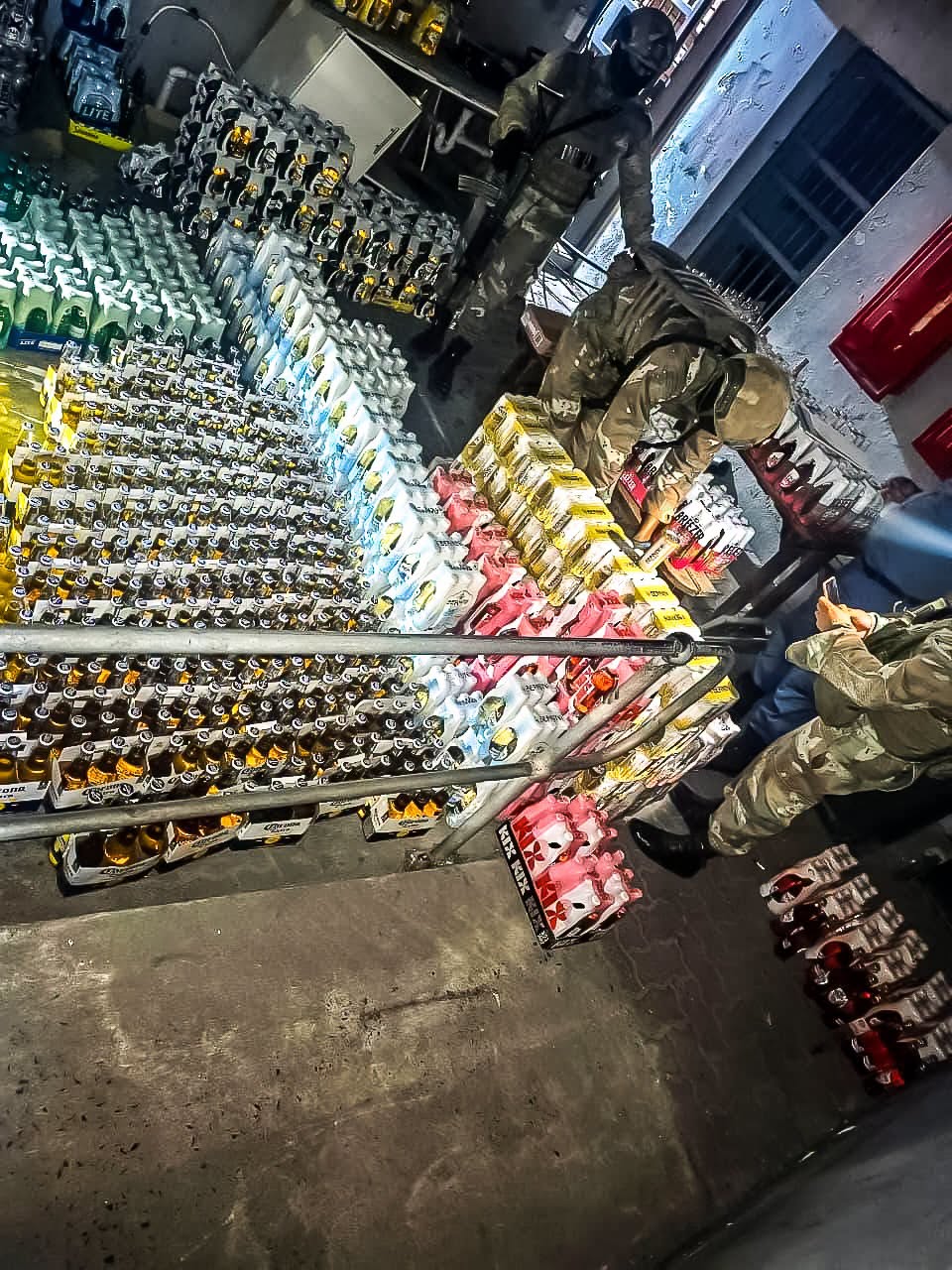
- Illegal liquor valued at approximately R194 769.
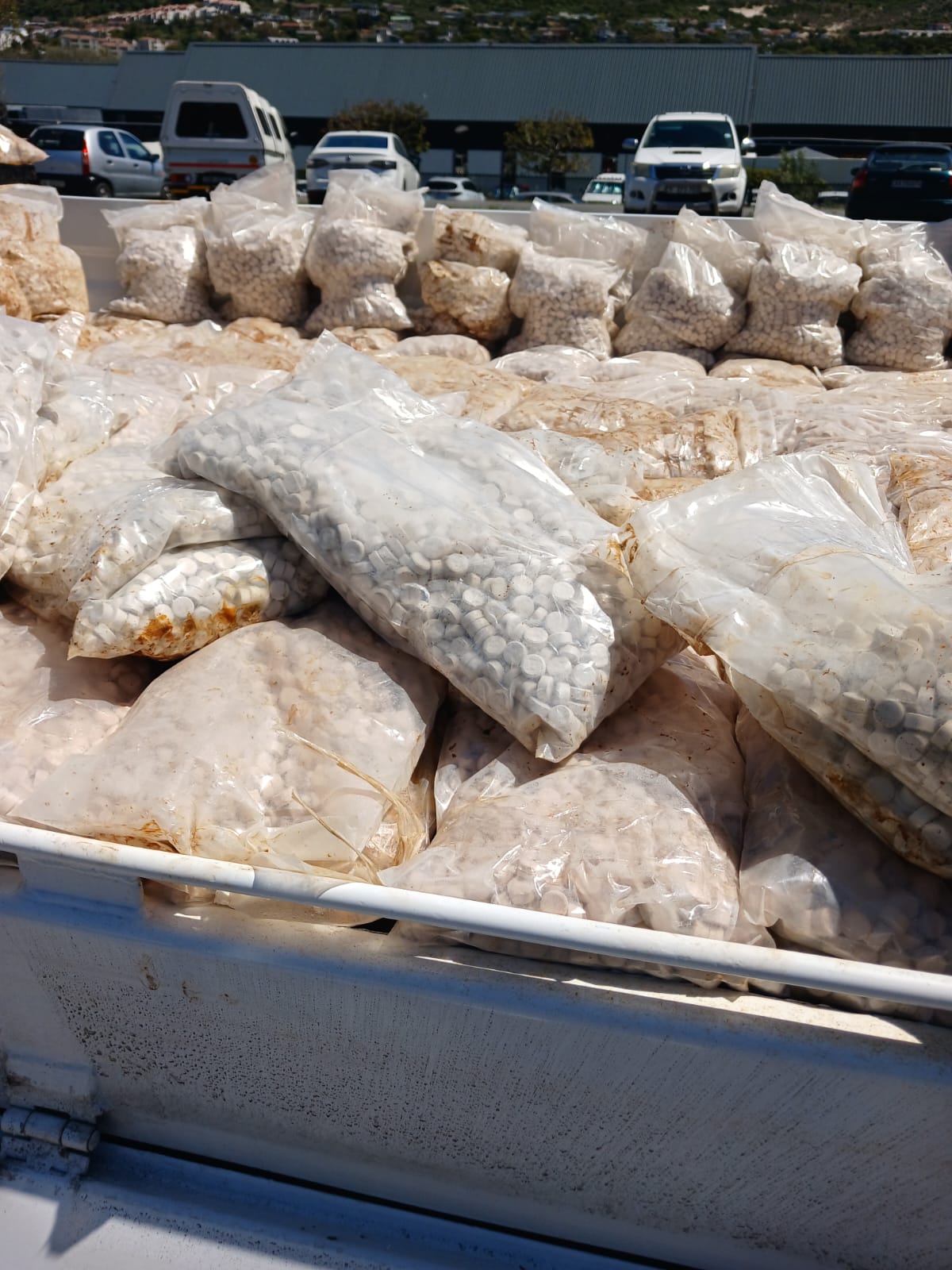
- Drugs with an estimated street value of R227 124.
- Illegal cigarettes valued at R202 220.
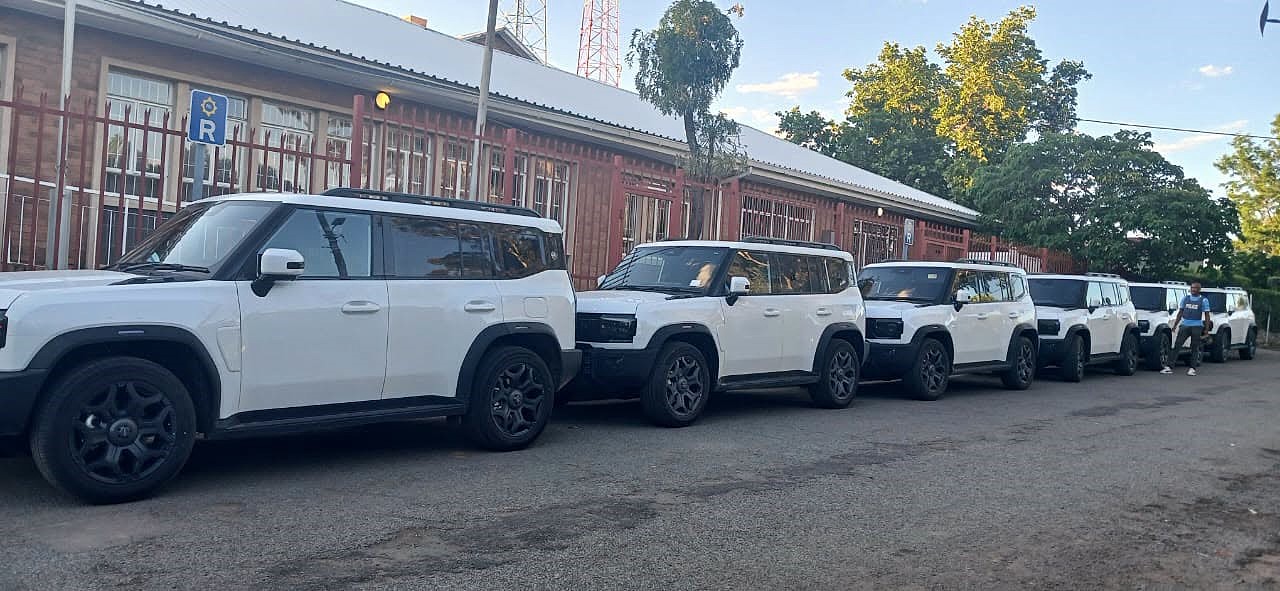
- Recovered stolen vehicles valued at R280 000.
- Cash amounting to R63 098 confiscated during a drug-related operation.
These seizures and arrests represent the operational outcomes of the joint deployment, which was introduced to strengthen law enforcement capacity in areas affected by high levels of violence, gang activity and organised crime.
Military deployment not a stand-alone solution
Captain Kassaka acknowledges that the presence of soldiers alone cannot dismantle established criminal networks or resolve the complex factors contributing to crime.
He says the SANDF provides additional manpower, discipline, operational capability and a visible security presence, but these resources must be supported by accurate intelligence, effective information-sharing, coordinated planning and targeted operations.
The military was deployed to support the SAPS, not to replace it or assume sole responsibility for addressing the province’s criminal challenges.
Intelligence-led policing, criminal investigations, prosecutions and the long-term dismantling of criminal networks remain dependent on the broader law enforcement and criminal justice system.
The deployment followed growing public concern about violent crime, gang-related activities and the perceived inability of conventional policing measures to adequately address the security situation in affected communities.
Communities, political representatives and other stakeholders had called for military intervention, arguing that additional capacity was needed to support police operations.
Captain Kassaka questions whether expectations surrounding the deployment had become unrealistic, particularly if the presence of soldiers was expected to eliminate criminality, dismantle established gangs and restore complete safety within a matter of months.
He maintains that the fight against crime requires sustained cooperation between the SANDF, SAPS, communities, government departments, intelligence structures and the criminal justice system.
A broader measure of success
As Operation PROSPER enters its eighth month, Captain Kassaka says the results achieved between April and October demonstrate that the deployment has not been without impact.
The removal of illegal firearms and ammunition from circulation, the seizure of drugs and other illicit goods, the recovery of stolen property and arrests across several categories of criminal activity should form part of an honest assessment of the operation.
He also acknowledges the difficult and often dangerous environments in which members of the SANDF and SAPS continue to operate.
Rather than focusing exclusively on whether Operation PROSPER has failed, he argues that greater attention should be given to whether all the structures responsible for its success are providing the necessary support.
The central question, he says, is whether the operation is receiving the intelligence, coordination and institutional support required to achieve its objectives.
Article by Captain Walter Kassaka, Operational Communication Officer, Joint Tactical Headquarters Western Cape. Photographs supplied by the Operation PROSPER deployment.