The geopolitical landscape has shifted abruptly owing to instability in the Middle East jolting financial markets from relative calm into a state of heightened anxiety. The impact is still reverberating across energy, equity, currency, and bond markets globally.
Most significantly, restriction of movement by ships through the Strait of Hormuz, a critical chokepoint through which nearly 20% of global oil and gas transits, has been enough to send energy markets into a tailspin. The disruption to shipping through the Strait of Hormuz is raising concerns about supply shortages, higher energy costs and rising inflation across the globe, including in South Africa.
Oil prices remain elevated
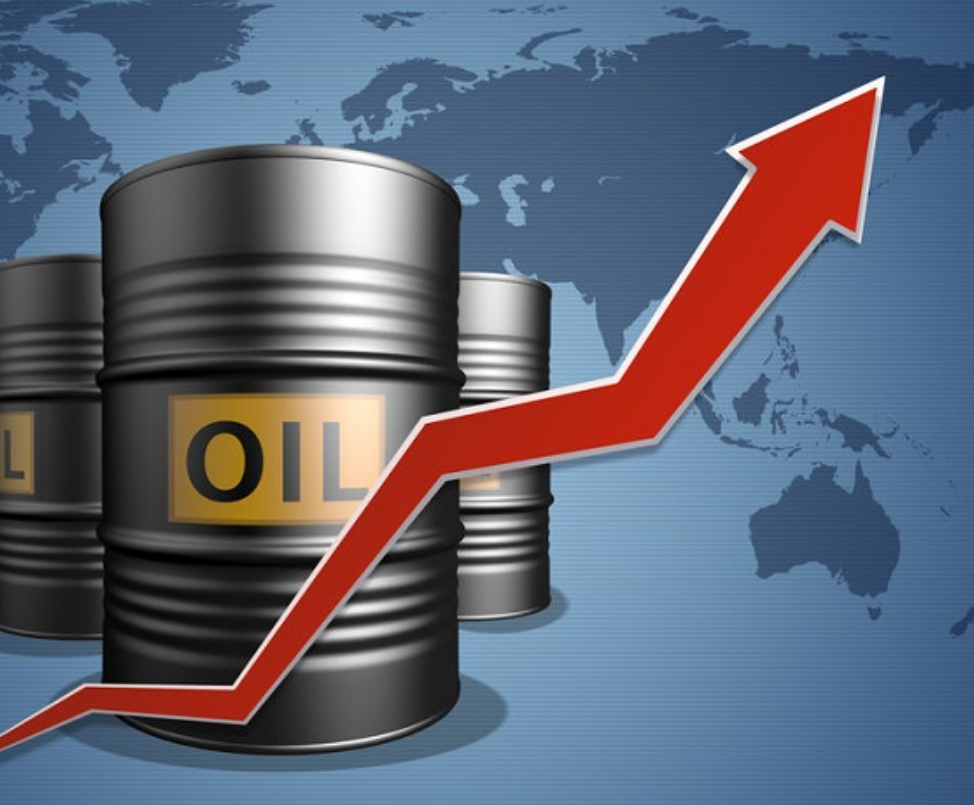
There is naturally growing concern about the impact of the instability on oil prices; for example, brent crude oil prices surged from $72 per barrel to $82 per barrel in the immediate aftermath of the conflict’s outbreak and has since surged past the $100 mark. Brent crude is currently trading around US$100–103 per barrel, having surged roughly 45% in a month, driven almost entirely by geopolitical supply risk rather than demand. At these levels, oil is no longer just an energy story, it becomes a macro and inflation shock, complicating central‑bank policy, pressuring growth, and amplifying volatility across markets. The longer prices remain above US$100, the higher the probability of slower growth with stickier inflation through 2026.
Jet fuel prices have told an even more dramatic story. They surged by 71% over the first week, reaching their highest levels since COVID, as supply concerns collided with grounded airline operations across the Gulf. It currently is still trading at $175 per barrel, resulting in rising airline prices and fuel surcharges being levied on air tickets.
Currency markets: Dollar surges, emerging markets retreat
The US dollar broadly benefited from its safe-haven status in times of geopolitical stress, rising to its highest level since the second week of January against both the Euro and the British pound. Risk-sensitive emerging market currencies bore the brunt of the sell-off.
The rand is currently trading at R16.62 to the USD, showing some stability but having weakened by around 4% since the start of the month. The gold price hovers at the $5 000 per ounce level, maintain solid gains over the past year.
South Africa is facing a classic terms‑of‑trade squeeze: higher oil prices and a weaker rand are pushing inflation risks higher, while record gold and platinum prices are providing an important economic buffer. For now, the precious‑metal windfall is preventing a more severe rand sell‑off, but if oil prices stay elevated and global risk aversion persists, monetary easing will likely be delayed, and currency volatility will remain high.
Equity markets under pressure globally
Global equity markets fell sharply, with European bourses suffering more acutely than their US counterparts given Europe’s heavier reliance on imported energy. The FTSE 100, Germany’s DAX, and France’s CAC 40 all declined approximately 5%-7% since the start of the war. The sharp rise in energy prices threatens to stall Europe’s fragile economic recovery and reignite inflationary pressures, with grave implications for corporate earnings.
In the United States, the S&P 500 is down around 2.5% as of yesterday’s close, while the Nasdaq has been more resilient and is down around 1.5%. War-driven uncertainty amplified existing scrutiny around lofty technology valuations already under pressure from concerns about the scale of AI infrastructure spending currently underway.
Closer to home, the JSE All Share Index showed mixed performance. Basic materials gained despite lower precious metal prices, but industrials and financials were hurt by renewed growth and inflation concerns triggered by the Middle East war. Emerging markets broadly, including South Africa, are now 8% below their highs of just over three weeks ago.
Bond markets: Yields climb on inflation fears
The surge in energy prices has stoked inflation fears that could materially alter the path of global interest rates, bad news for bond markets. The South African benchmark 10-year government bond yield broke through the psychologically important 8% level and today is trading around levels of 8.8%. We have seen a big pullback in SA bonds and capital losses around the 5% mark.
What should investors do?
Geopolitical shocks, by their very nature, are difficult to predict and are often impossible to position for in advance. History, however, offers a consistent lesson: markets tend to overreact in the short-term to geopolitical events, only to recover as the situation clarifies and the fundamental economic backdrop reasserts itself.
Investors are reminded of the importance of maintaining a long-term investment perspective. Making reactive, emotionally driven decisions during periods of market stress has historically been one of the most reliable ways to destroy long-term wealth.
“Investors should remain calm and stick to their long-term investment goals.”
- Trevor Garvin is head of multi-management, Nedgroup Investments
ALSO READ: Fuel price shock expected for April as Middle East conflict drives oil surge