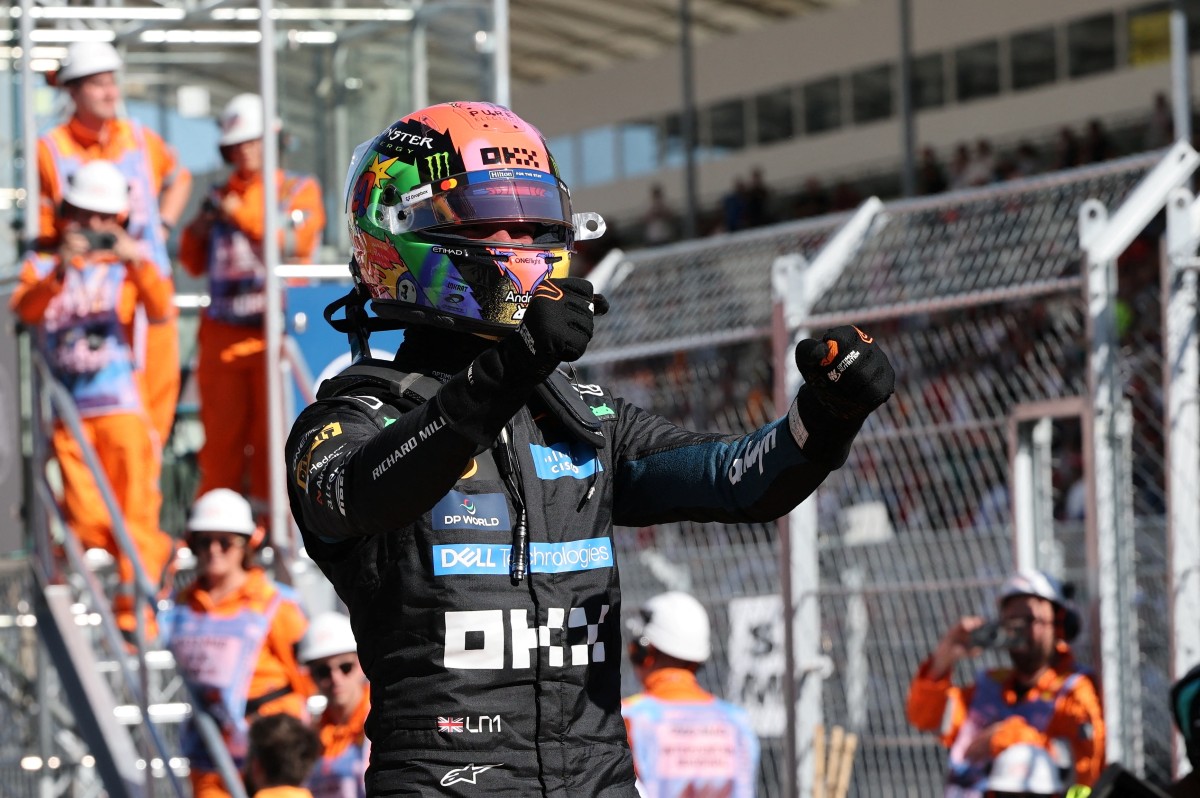
Lando Norris didn’t mince words. Fresh from watching his Azerbaijan Grand Prix evaporate in a cloud of carbon fibre and shattered championship dreams, the world champion unleashed a scathing verdict on Franco Colapinto: ban him. The McLaren driver’s fury wasn’t just about lost points—it was about standards, accountability, and who deserves a seat in the world’s premier racing series.
“I think the FIA should be more strict and start handing out bans for this kind of stuff,” Norris declared after Colapinto’s lap 35 lunge torpedoed both his and Pierre Gasly’s afternoons. “It’s just careless from people. People should just be banned because that’s not driving that deserves to be in Formula One.”
Brutal? Absolutely. But when you’re running comfortably in the top ten and your race gets obliterated by what Norris called “some drivers who shouldn’t be in F1”, diplomacy takes a back seat.
The crash that sparked the fury
The flashpoint arrived on lap 35, following a safety car intervention that bunched the field together like rush-hour traffic on the M25. As racing resumed and tyres struggled for temperature, Colapinto misjudged his braking into the back of team-mate Gasly’s Alpine, triggering a chain reaction that collected Norris’s McLaren in the carnage.
The Argentine was unequivocal in accepting blame. “It was a big mistake and I am really sorry,” Colapinto admitted. “Very sad and very disappointed. I was completely out of control. So, not a lot more to say than sorry to the team, to Pierre and of course to all in the factory. I’m sorry to Lando also…”
But apologies don’t rebuild shattered sidepods or resurrect lost championship points. For the 26-year-old Norris, already battling straight-line speed deficits that made his Baku afternoon an uphill slog, the incident represented the final straw.
The cost of carelessness
Beyond the immediate sporting consequences, Norris highlighted the financial hammer blow inflicted by such incidents. “It costs a lot of money—all my car parts are in the bin now,” he pointed out, underlining the reality that modern F1 components don’t come cheap and budget caps make every smashed bargeboard count.
The world champion’s call for stricter sanctions reflects mounting frustration with incidents he views as entirely avoidable at motorsport’s highest level. Whilst race stewards handed Colapinto a 10-second penalty—converted to a five-place grid drop for the next race—Norris clearly believes the punishment doesn’t fit the crime.
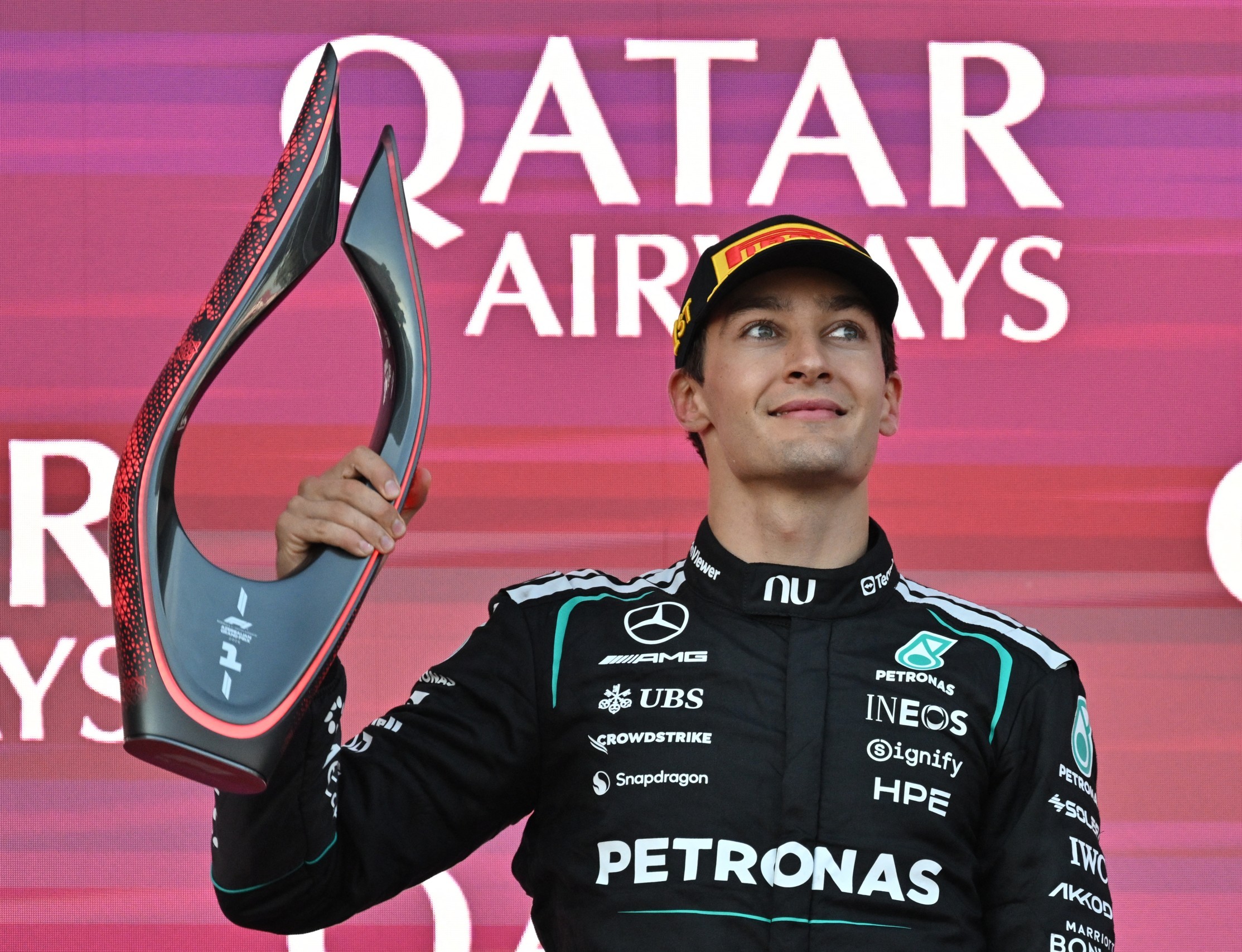
Interestingly, the McLaren driver refused to join any criticism of race leader George Russell’s restart procedure, with some suggesting the Mercedes man had been overly cautious and contributed to the field bunching dangerously.
“George can do what he wants,” Norris stated flatly. “In Formula One, I think you expect drivers to anticipate things, to know the grip is going to be low and to know the tyre temperatures are low… And they weren’t even that low! In F1, you want to be against the best drivers in the world and when stuff like this happens, it’s because… well, he shouldn’t be there.”
When team mates collide
For Pierre Gasly, the incident carried particular sting. The Frenchman had been enjoying arguably his finest race car of the season, with both Alpines running comfortably in the points before his team-mate’s error wiped away hours of hard work.
Yet Gasly’s response carried a measured tone that contrasted sharply with Norris’s fury. “It was one of the best race cars of the season and we had both of us in the points,” he reflected. “It is not easy (with a team-mate), but it is all about respect and as long as there is respect everything is possible.”
That emphasis on respect speaks volumes. Team-mate clashes are an occupational hazard in F1, but they require a foundation of mutual trust and spatial awareness. When that trust evaporates—particularly through incidents deemed avoidable—the fallout extends beyond bent bodywork into fractured relationships and team dynamics.