The war in the Middle East is unlikely to trigger a collapse of the world economy on the scale of the 2008 global financial crisis, Nobel prize-winning economist Philippe Aghion said on Monday.
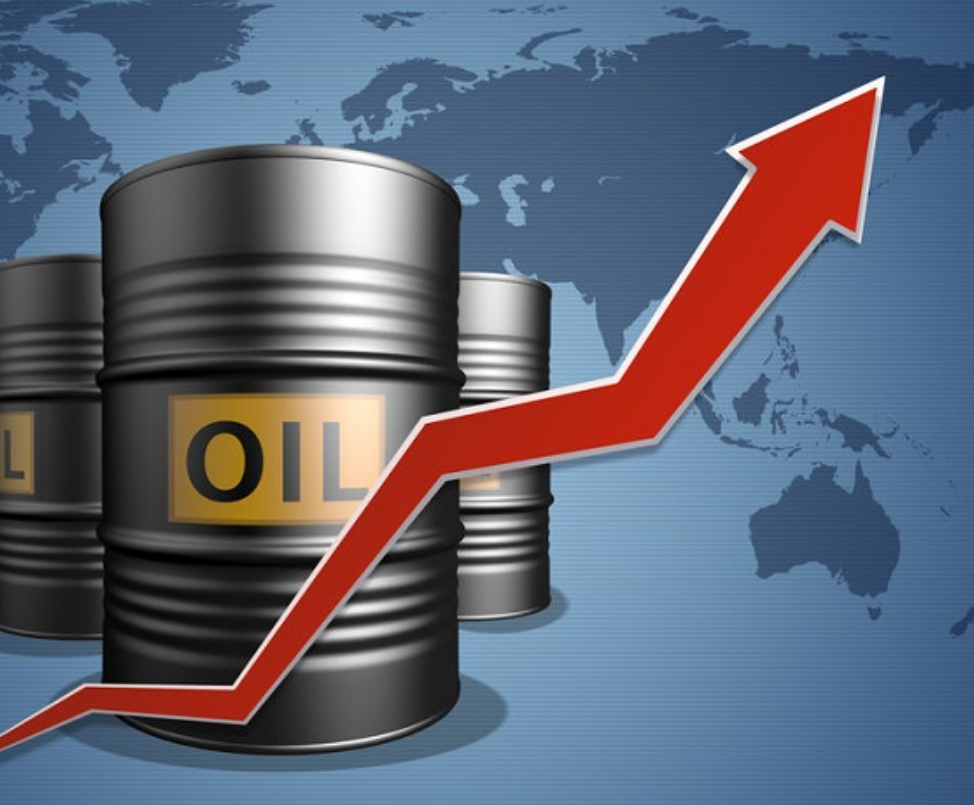
Speaking on RTL radio, Aghion warned that if the war lasts longer than several weeks and oil prices rise above $150 per barrel, the situation could resemble the 1973 oil shock.
An oil embargo by Arab members of the OPEC oil cartel on nations supporting Israel during the 1973 Yom Kippur war caused prices to surge, triggering inflation and economic stagnation.
Such a shock would require a coordinated policy response from European countries, the United States and other developed nations, Aghion said.
G7 finance ministers are expected to discuss a possible release of strategic oil reserves on Monday to calm markets after oil prices briefly rose more than 30%.
Aghion, who shared the 2025 Nobel prize in economics for his work on sustained growth through creative destruction, said a prolonged, widening conflict would reduce global growth.
“I see a possible slowdown but I don’t see a collapse. I don’t see anything like the 2008 financial crisis, for example,” he said.
The 2008 global financial crisis was triggered by the collapse of the US housing bubble. The failure of mortgage-backed securities caused the collapse of lenders and a severe credit crunch that led to the deepest economic downturn since the 1930s Great Depression.
ALSO READ: Asian markets plunge as oil soars 30% on Middle East crisis