

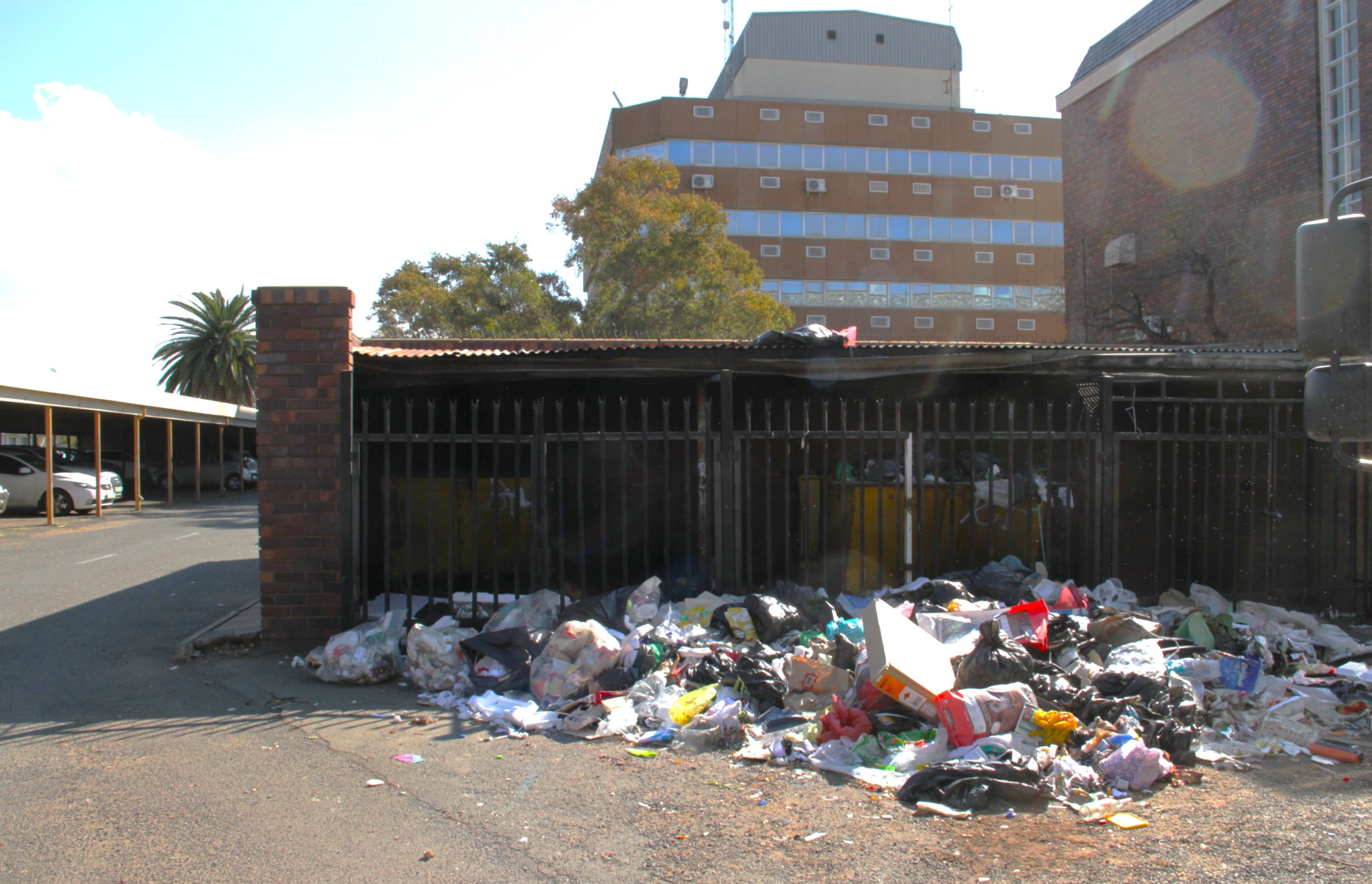
Not a single metropolitan municipality achieved a clean audit in the 2024/25 financial year, despite metros accounting for 54% of total local government expenditure and serving millions of South Africans.
The Organisation Undoing Tax Abuse (OUTA) has warned that residents continue to pay the price for weak governance, poor budgeting, procurement failures and a lack of consequence management across the local government sector.
The auditor-general’s 2024/25 local government audit outcomes confirm that South Africa’s municipal crisis remains firmly entrenched, despite modest improvements in some audit indicators.
While more municipalities submitted financial statements on time and 61% ultimately received unqualified audit opinions, OUTA cautioned that these improvements should not be mistaken for a healthy local government system.
Metro failures affect millions
The auditor-general noted that metro audit outcomes continued to regress during 2024/25, reflecting a failure to establish sound financial management, accountability, transparency and institutional integrity needed for effective and sustainable service delivery.
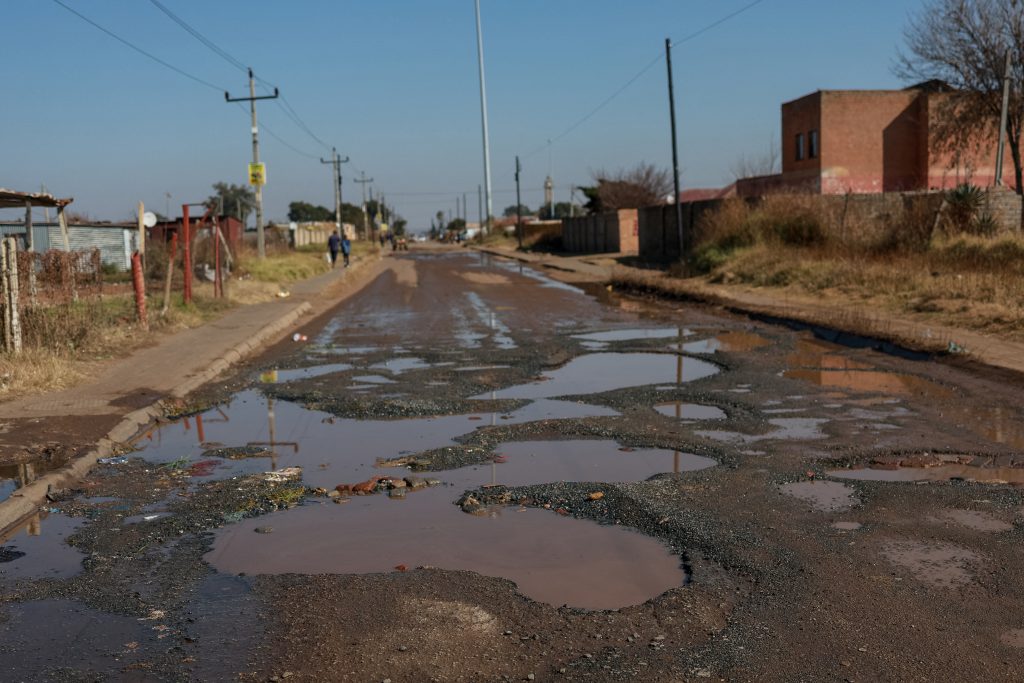
“Residents are paying more every year for rates, taxes, electricity, water, sanitation and refuse collection, yet many continue to face failing infrastructure, sewage spills, water losses, potholes, electricity outages and declining municipal services,” said Julius Kleynhans, executive manager at OUTA.
“The people are tired of paying for failure. Only 39 municipalities achieved clean audits. That is just 15% of local government. Anything short of a clean audit, including an unqualified audit with findings, points to weaknesses in governance, compliance, financial management or performance reporting.”
Absence of accountability culture
The auditor-general’s report highlighted a deeper problem than poor financial administration. The continued regression in metro audit outcomes reflects the absence of sound financial and performance management practices and a weakening culture of accountability, transparency and institutional integrity.
The report repeatedly linked weak audit outcomes, infrastructure failures, poor procurement, financial instability and declining service delivery to municipalities that lack the leadership, skills, discipline and accountability required to perform even their most basic functions.
Without rebuilding institutional capability, OUTA said audit improvements will remain superficial and residents will continue to experience deteriorating services.
The ‘yellow zone’ of complacency
The report confirmed that 117 municipalities received unqualified audit opinions with findings. OUTA described this as local government’s “yellow zone”, where municipalities often become complacent instead of treating these outcomes as stepping stones towards clean audits.
“An unqualified audit with findings should be a stepping stone to a clean audit, not a permanent resting place,” said Kleynhans.
“Many municipalities in this category continue to struggle with unlawful expenditure, unreliable performance reporting and weak accountability systems. They may correct some financial reporting errors during the audit process, but the underlying governance problems remain.”
R1.6 billion spent on consultants
OUTA expressed particular concern about the auditor-general’s finding that 225 municipalities spent approximately R1.61 billion on financial reporting consultants during the reporting period. A decade ago, 179 municipalities spent about R590 million on similar services.
Despite this significant increase in expenditure, many municipalities still struggle to produce credible financial statements and maintain effective governance systems.
“This raises serious questions about the capacity and professionalism of municipal administrations,” said Kleynhans.
“Consultants may provide specialised support, but they cannot become a permanent substitute for capable municipal administrations. Where municipalities are paying both internal officials and external consultants to perform the same core functions, residents are effectively paying twice without seeing meaningful improvements.”
The consultant dependency highlighted by the auditor-general demonstrates the need to professionalise municipal administrations, fill critical vacancies with competent individuals and hold officials accountable for poor performance.

Dependent on auditors to fix problems
The report found that while 61% of municipalities ultimately published credible financial statements, only 24% submitted credible statements at the start of the audit process.
OUTA said this demonstrates that too many municipalities remain dependent on auditors to identify problems that should have been detected through proper monthly and quarterly financial management.
“Effective governance cannot depend on year-end intervention by auditors,” said Kleynhans.
Budget failures drive municipal collapse
The auditor-general again identified poor budget development and poor budget execution as major drivers of municipal failure. OUTA said too many councils continue to approve budgets that are not credible, not funded and not aligned to the actual cost of delivering services. These budgets frequently become political wish lists rather than realistic financial and service delivery plans.
“A municipality cannot spend money it does not have, ignore revenue losses, fail to maintain infrastructure and then blame residents when the system collapses,” said Kleynhans.
Procurement and infrastructure failures
The report found that irregular expenditure remains stubbornly high, with most instances linked to procurement and contract management failures. These include non-compliance with competitive bidding requirements, weak contract oversight, poor project management, delayed projects, payments for poor-quality work and inadequate action against underperforming contractors.
For communities, these failures translate directly into delayed roads, incomplete housing developments, failing water infrastructure, sanitation problems, electricity network failures and projects that cost more while delivering less.
OUTA is equally concerned by the auditor-general’s findings on municipal asset management. Many municipalities remain unable to accurately identify, track and assess the condition of the infrastructure they own. Without reliable asset registers and funded maintenance plans, infrastructure deterioration becomes inevitable and service delivery suffers.
The auditor-general’s infrastructure findings reveal recurring project delays, poor quality work, weak contractor management and cost overruns.
“Communities are waiting years for projects that have already been budgeted for, procured and paid for. Weak planning and a lack of accountability have become normalised in far too many municipalities,” said Kleynhans.
Weak performance management
OUTA noted the auditor-general’s concerns regarding weak performance management systems. Many municipalities continue to submit unreliable performance reports, use indicators that do not meaningfully measure service delivery and fail to properly assess whether they are fulfilling their core constitutional responsibilities.
Year after year, the auditor-general identifies the same problems: irregular expenditure, fruitless and wasteful expenditure, weak procurement controls, poor revenue management, infrastructure neglect and unreliable reporting. Yet too few officials, contractors or political office bearers face meaningful consequences.
“This culture of no consequences is one of the primary reasons local government remains stuck,” said Kleynhans.
ALSO READ: Free State Records Improvement in Audit Outcomes Despite Ongoing Challenges
Accountability roadmap ahead of elections
OUTA believes the auditor-general’s report should serve as an accountability roadmap ahead of the local government elections on 4 November.
Political parties must take responsibility for the calibre of councillors and mayoral candidates they put forward. Councillors approve budgets, oversee municipal performance, scrutinise annual reports and hold municipal managers accountable. Municipalities cannot be fixed by appointing people who lack the skills, knowledge and commitment required to perform these responsibilities.
OUTA welcomed the auditor-general’s expanding focus on environmental management, including wastewater treatment works and drinking water quality compliance.
“It is encouraging to see the auditor-general expanding oversight into areas that directly affect public health, environmental sustainability and service delivery,” said Kleynhans.
“We trust that future audits will further assess municipal compliance with licence conditions relating to landfill sites, air quality management and electricity distribution standards regulated by NERSA.”
The auditor-general has once again shown South Africa where the failures lie. The question now is whether mayors, councillors, municipal managers, provincial governments and national government will act, or whether residents will once again be expected to carry the cost of municipal failure.
ALSO READ: Western Cape dominates municipal audit outcomes with 20 clean audits




You must be logged in to post a comment.