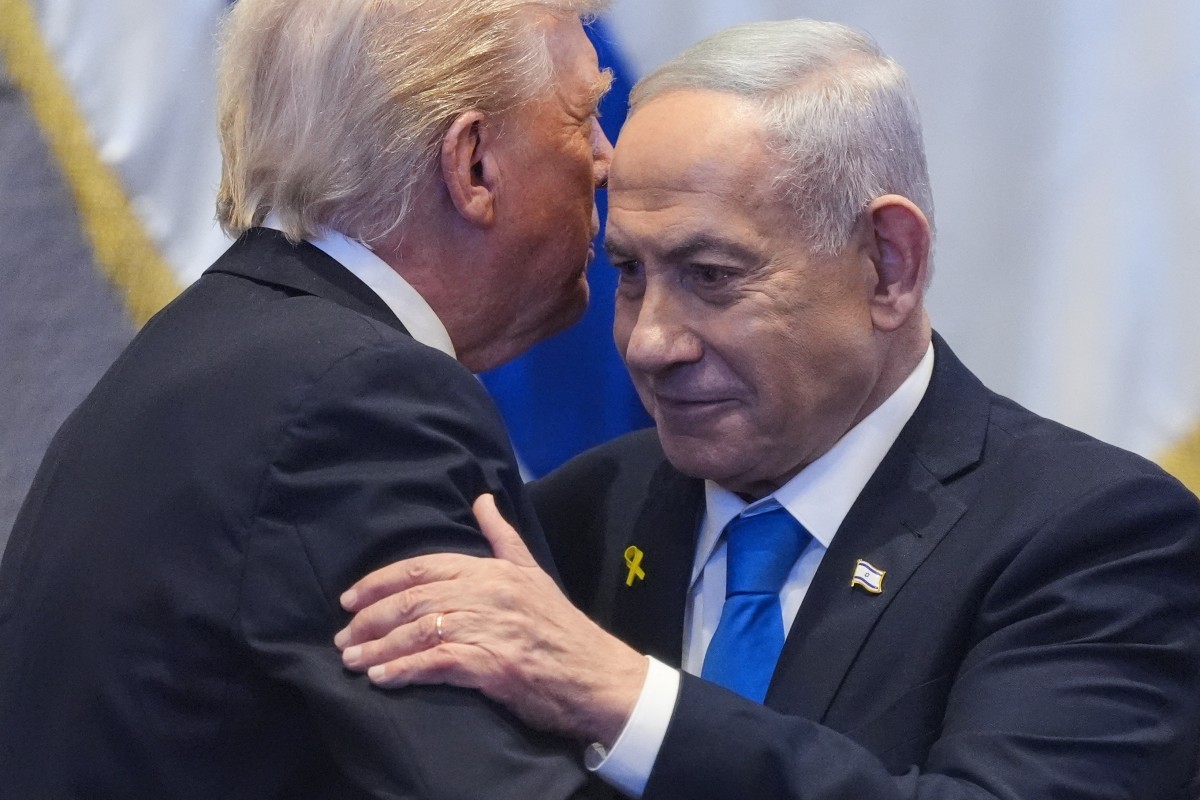
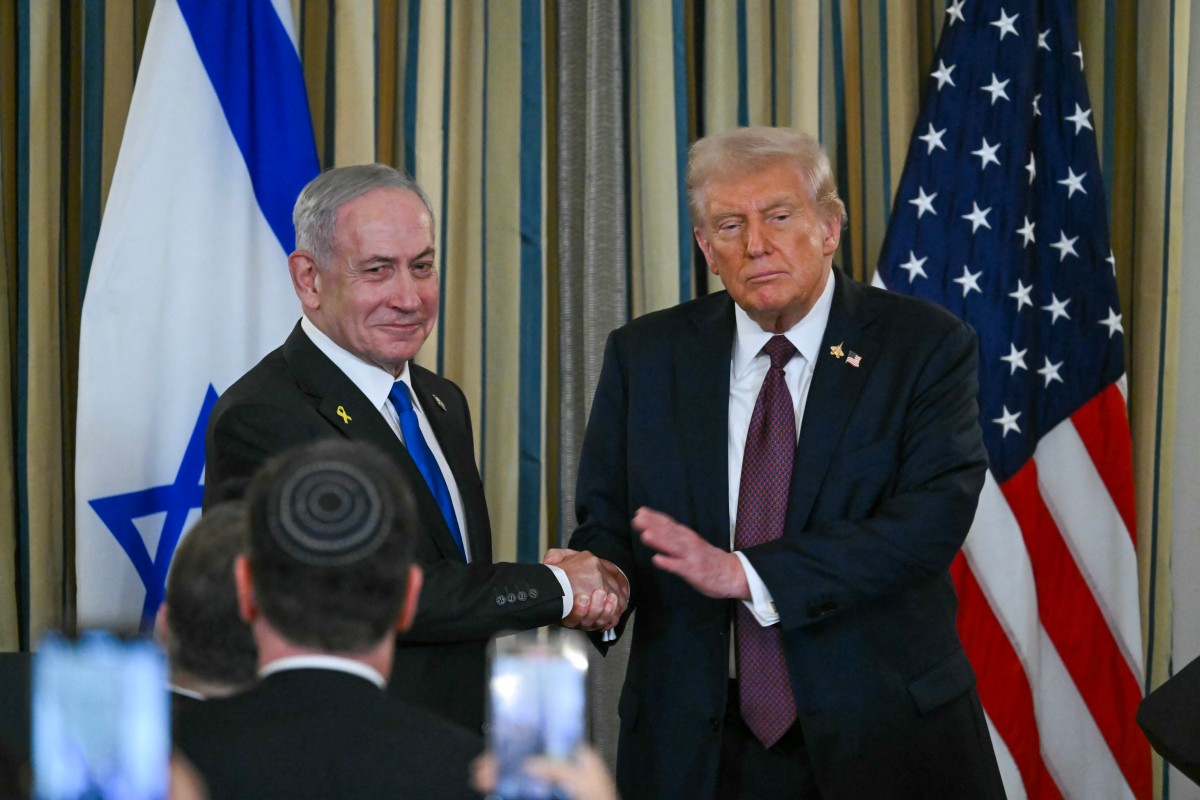
Prime Minister Benjamin Netanyahu’s bloc has taken the lead in Israel’s general election but remains short of the 61 seats needed to form a government.
After election officials counted just over half the votes on Wednesday, Netanyahu’s right-wing camp holds 55 of the 120 parliament seats. His main rival Gadi Eisenkot’s opposition bloc sits at 49 seats, while Arab parties have secured 16 seats.
The partial results could still shift as officials count the remaining ballots. Full results are expected by Thursday evening or Friday morning.
Record turnout as voters decide Netanyahu’s fate
Nearly 78% of eligible voters turned out for Tuesday’s election, the highest participation rate since 1999. Israelis headed to the polls to deliver their verdict on Netanyahu (77), the country’s longest-serving prime minister who has led the nation sharply to the right.
Exit polls released earlier had shown a dead heat between the two camps, with both Netanyahu and Eisenkot projected to win about 51 seats each.
The strongest performance came from Arab Israeli parties, whose supporters voted in record numbers. Arab Israelis make up about 21% of the country’s population.
Coalition hurdles ahead
The partial results show Eisenkot’s bloc could reach a majority if it forms a coalition with the Arab parties. But the former military chief has ruled out governing with Arab lawmakers, the same position Netanyahu holds.
Arab parties could still support Eisenkot in parliament votes to help maintain a minority government without formally joining a coalition.
Without a clear majority for either side, Israel faces weeks of coalition talks. If negotiations fail, the country could head back to the polls for fresh elections.
Netanyahu would remain as caretaker prime minister until a new government forms, giving him a short-term advantage.
Both leaders claim path to power
Netanyahu addressed cheering supporters at a Jerusalem convention centre just after 03:00 on Wednesday morning. He called for a “strong government of the right” and said the “Jewish and Zionist majority must unite”. The prime minister kept his remarks brief and stopped short of declaring victory.
US President Donald Trump told reporters his endorsement had helped Netanyahu “a lot”.
Speaking to supporters in Tel Aviv, Eisenkot warned Netanyahu not to use security concerns for political gain. He called Netanyahu “a caretaker prime minister, without a mandate or the people’s trust”.
Eisenkot, a political newcomer who previously served as military chief, said voters had chosen change. He urged Netanyahu to accept what he called a vote of no confidence and retire from politics.
Election amid international isolation
The vote comes as Israel faces growing international criticism over its war with Iran, the military campaign in Gaza, and increased settlement construction in the occupied West Bank.
Eisenkot shares many of Netanyahu’s security positions and has backed the Gaza offensive that followed Hamas’s attack on 7 October 2023. But he has promised to create a more welcoming atmosphere inside Israel and control violent settlers in the West Bank.
After the high turnout, Eisenkot said holding a second election would be a mistake. He pledged to work quickly to form a government.
ALSO READ: Netanyahu fights for political survival as Israel heads to polls