
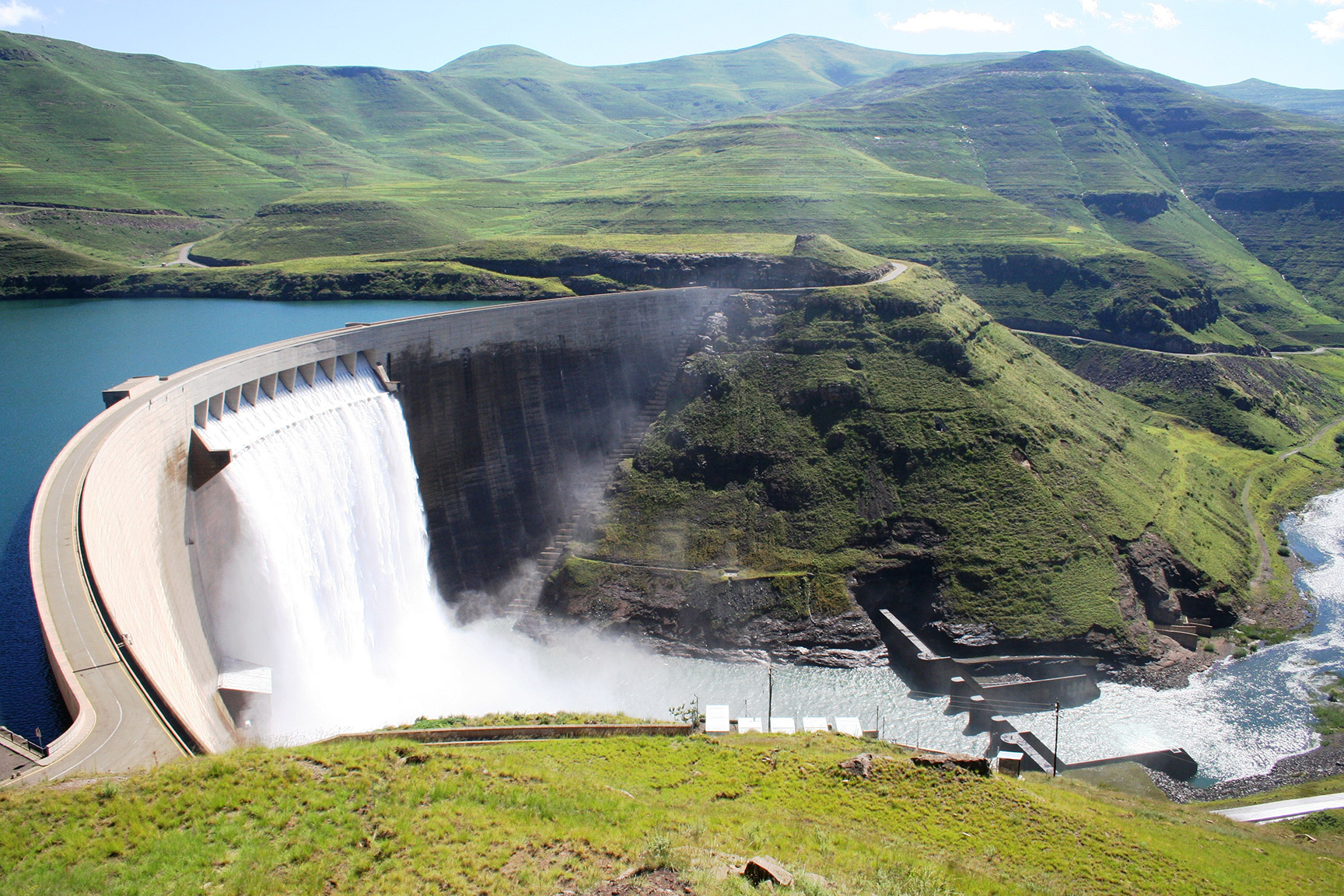
Namibia has raised strong objections to Phase II of the Lesotho Highlands Water Project, withholding crucial approval that threatens to delay the multi-billion rand cross-border water scheme. The southern African nation is blocking a required “no-objection” letter, citing concerns over reduced downstream flows in the Orange River that could impact its water security and agricultural sectors.
The standoff has emerged following completion of the feasibility study in 2019, when Namibia was asked to confirm its approval for the project’s second phase. However, the country’s Ministry of Agriculture, Fisheries, Water and Land Reform has consistently maintained that granting approval would be premature due to potential adverse effects on downstream water flows.
Namibia’s position
Namibia’s position centres on the assertion that the Lesotho Highlands Water Project, which transfers water from Lesotho to South Africa, significantly reduces the Orange River’s flow, affecting downstream communities and agricultural operations that depend on these water supplies. The country has made clear that any approval would require satisfactory resolution of water flow issues and a firm commitment from South Africa to jointly develop the Noordoewer-Vioolsdrift Dam on the Lower Orange River.
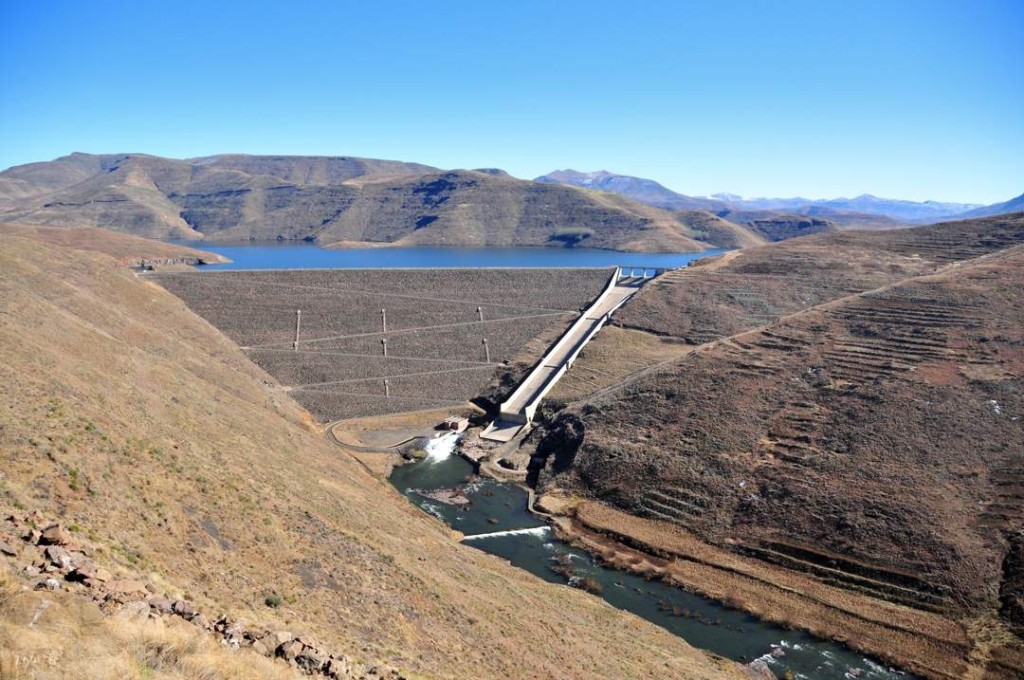
The proposed dam is viewed by Namibia as essential mitigation infrastructure to safeguard its water security interests. Without this commitment, Namibian officials argue that proceeding with Phase II would exacerbate existing concerns about reduced water availability for mining operations, agriculture, and communities along the river system.
South Africa’s Department of Water and Sanitation has expressed frustration with the delay, noting that the withheld approval affects certain financing mechanisms for the project. However, officials believe the Trans-Caledon Tunnel Authority can secure funding from alternative sources, as this impacts less than 10% of the required funding for the ambitious water transfer scheme.
Growing water demand
The project is designed to address South Africa’s growing water demand, particularly in Gauteng province, where urban and industrial consumption continues to increase. South African authorities view the scheme as critical infrastructure for long-term water security, whilst acknowledging that alternative water sources would prove significantly more expensive.
ALSO READ: Water back in system after repair work on Lesotho Highlands Water Project
Despite the impasse, both nations remain committed to finding a diplomatic solution through established bilateral and regional mechanisms. Discussions are ongoing through the Orange-Senqu River Basin Commission, the Permanent Water Commission, and the Bi-National Commission between Namibia and South Africa.
The Namibian government has emphasised that all engagements are guided by international water law principles, including equitable and reasonable utilisation of shared watercourses and the obligation to prevent significant harm to downstream nations. Officials have reiterated their dedication to responsible and sustainable management of the Orange River Basin for the benefit of all riparian states.
As a downstream nation on the Orange River, Namibia’s concerns reflect broader challenges facing international water management in southern Africa, where competing demands for limited water resources must be balanced against environmental sustainability and regional cooperation. The resolution of this dispute will likely set important precedents for future transboundary water projects in the region.




You must be logged in to post a comment.