

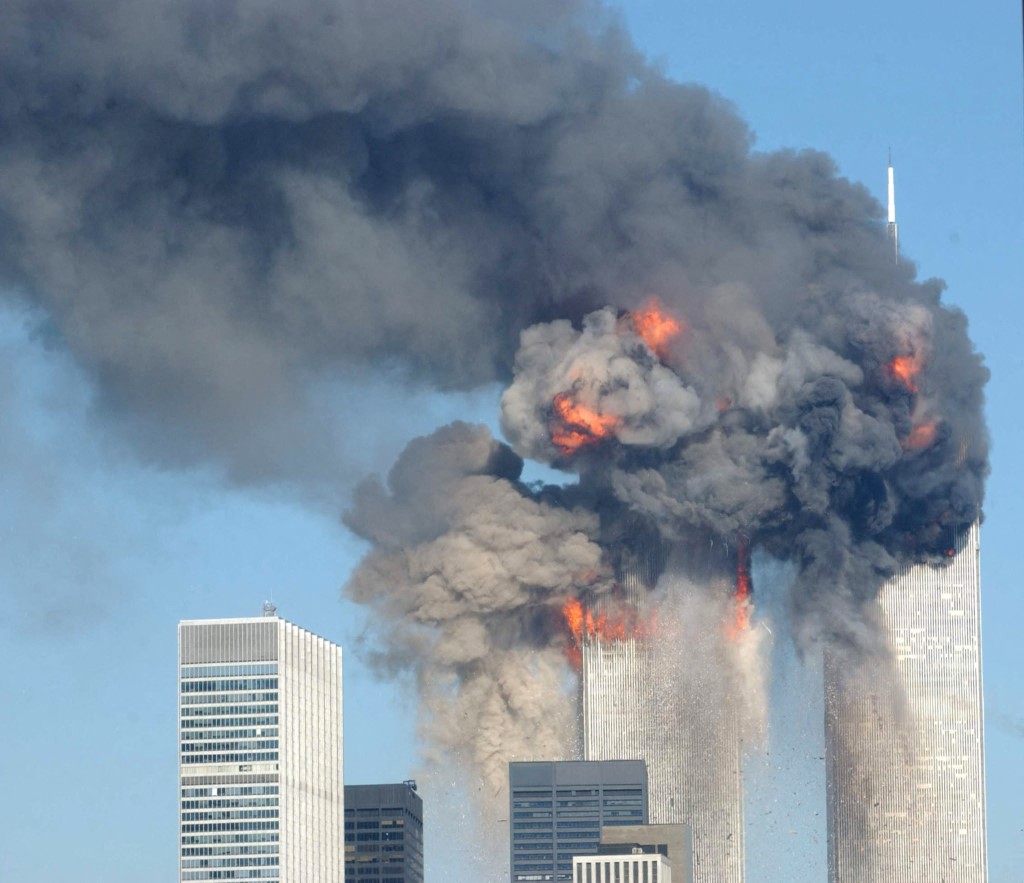
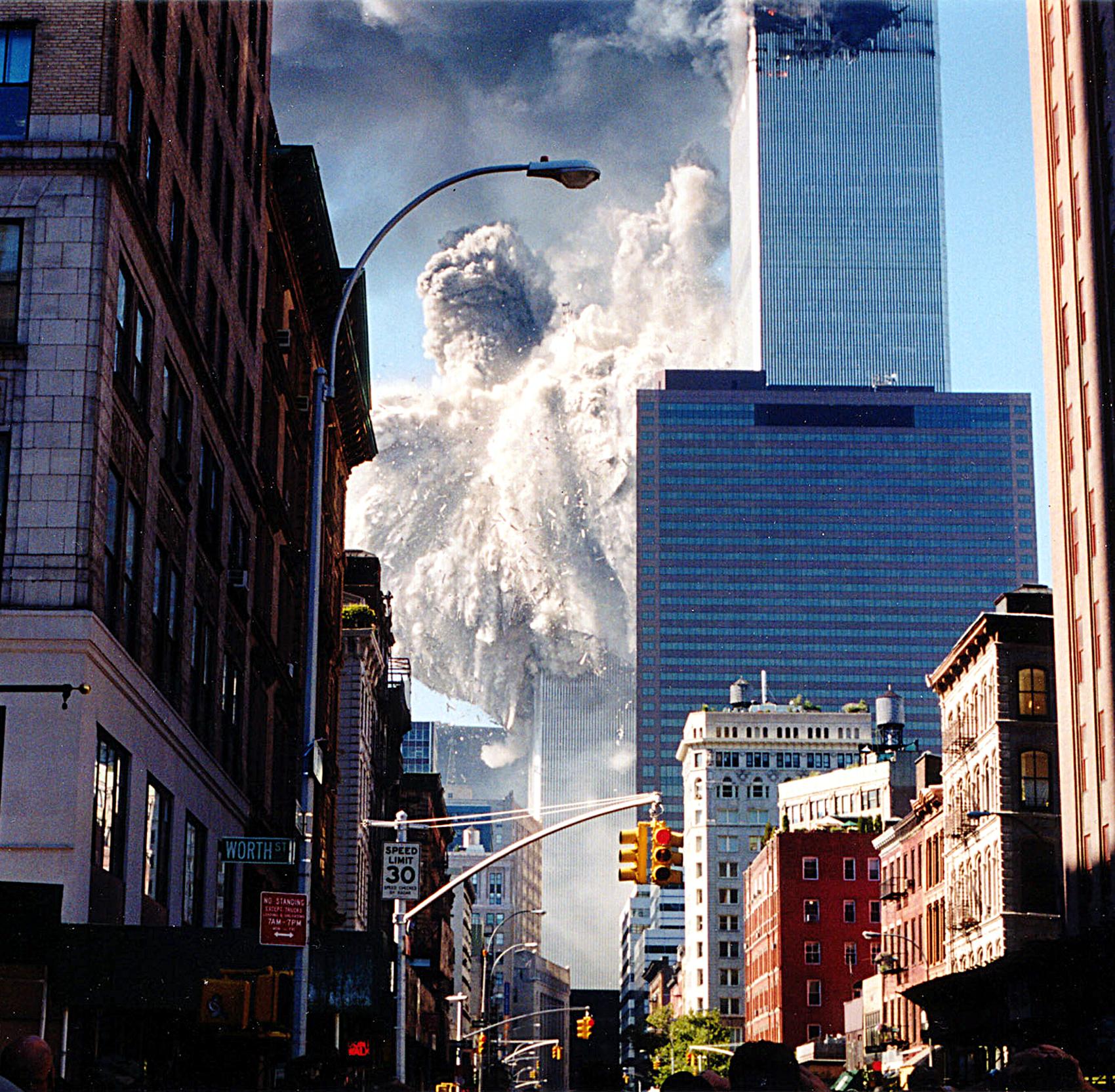
NEW YORK – Asad Dandia (33) remembers watching the Twin Towers fall on television when he was just eight years old. His Pakistani immigrant parents sat with him in their New York home, trying to make sense of the horror unfolding on their screens.
What followed was years of suspicion, anger and fear aimed squarely at Muslim communities across America. Nearly 3 000 people had died in the attacks, and many wanted someone to blame.
By the time Dandia turned 19, the backlash had become deeply personal. A young Bangladeshi man befriended him at college, joining a mutual aid charity Dandia had started. They shared meals, played sports together, and the man even stayed over at Dandia’s family home.
Seven months later, the friend revealed he was an undercover police informant sent to spy on Dandia and his community.
“It was heartbreaking, but it was also terrifying,” Dandia told AFP. “My relationship with the world around me shifted underneath my feet.”
From surveillance to legal victory
The surveillance programme was part of a wider New York Police Department strategy targeting hundreds of Muslims in the name of counterterrorism. Many were monitored without any evidence of wrongdoing.
Dandia fought back. Together with rights groups, he won a landmark legal settlement that forced the NYPD to restrict similar surveillance operations and established a watchdog to monitor the force.
Mohammed Razvi, a Pakistani native who founded the Council of Peoples Organization nonprofit after 9/11, remembers the climate of fear that gripped New York’s Muslim communities.
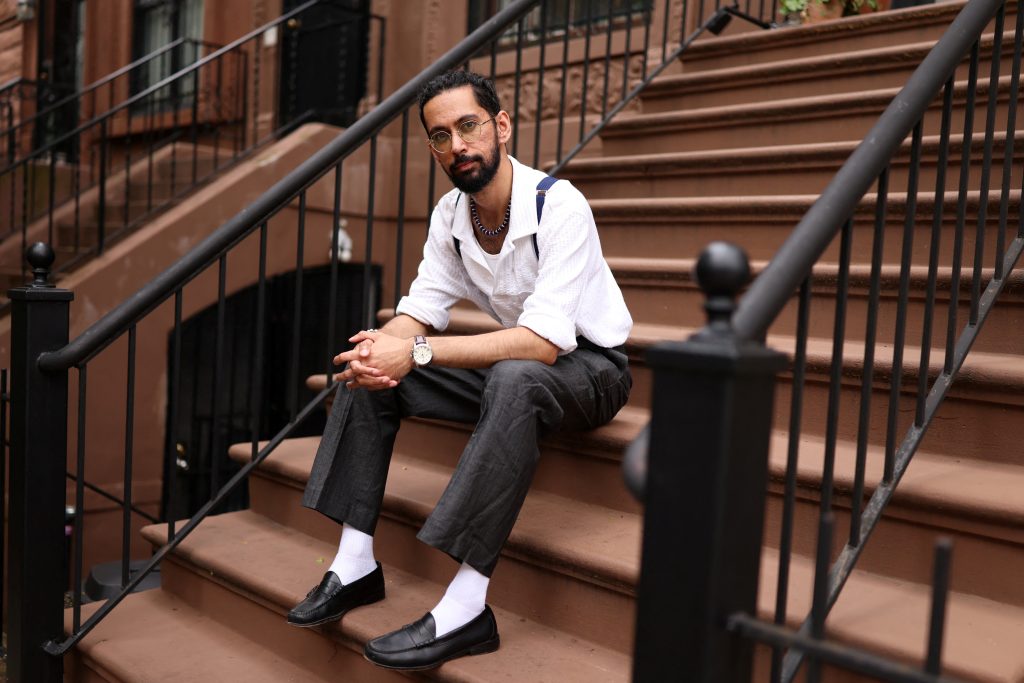
“We had gunshots fired in our neighbourhood by individuals who felt that we were responsible,” he said. “Muslims trying to live the American dream were being blamed for something they had nothing to do with or even control.”
Razvi stopped introducing himself by his full name, Mohammad, after 9/11. Instead, he used “Mo” to avoid the stigma.
A transformed city
Fast forward to 2026, and New York looks dramatically different. The city elected its first Muslim mayor, Zohran Mamdani, who took his oath of office on a Quran. Public prayers now take place in Times Square, and more than 100 new mosques have been built across the city since 2001.
New York will soon have the largest mosque in the state, a symbol of how far the community has come.
Gadier Abbas, an attorney with the Council on American-Islamic Relations, called the NYPD programme the prime example of “anti-Muslim hysteria” following 9/11. But today, he sees hope.
“You see American Muslims in every single walk of life, almost at every single level, and that’s a testament to the vibrancy of the community,” Abbas said.
Around nine percent of New York’s population is now Muslim, and the community has become a rising cultural and political force.
Challenges remain
Yet Islamophobia has not disappeared. In March this year, a far-right influencer organised a “Stop the Islamic Takeover of New York City” rally outside the mayor’s residence. A conservative senator suggested Mamdani should be sent to Guantanamo Bay, the detention camp known for holding 9/11 suspects.
Some families of September 11 victims have called for Mayor Mamdani, an outspoken supporter of Palestinian rights, to skip this year’s memorial ceremony. Other families have defended him.
Dandia, who now leads walking tours focused on New York’s Muslim communities, acknowledges the prejudice has not vanished. But he remains optimistic.
“Twenty-five years after 9/11, we mourn and we grieve what happened, and at the same time, we recognize that I am not responsible for what happened,” he said. “I don’t deserve to be targeted for what happened, and I am as much of a New Yorker as anybody else in that respect.”
He pointed to the growth in institutional power and recognition from non-Muslim New Yorkers that Muslims are an integral part of the city.
“Rome was not built overnight, and it was not built by one person or one group of people. It was built by the community,” Dandia said.
ALSO READ: WATCH: NYC remembers 9/11 amid political turmoil as mayoral race divides city



You must be logged in to post a comment.