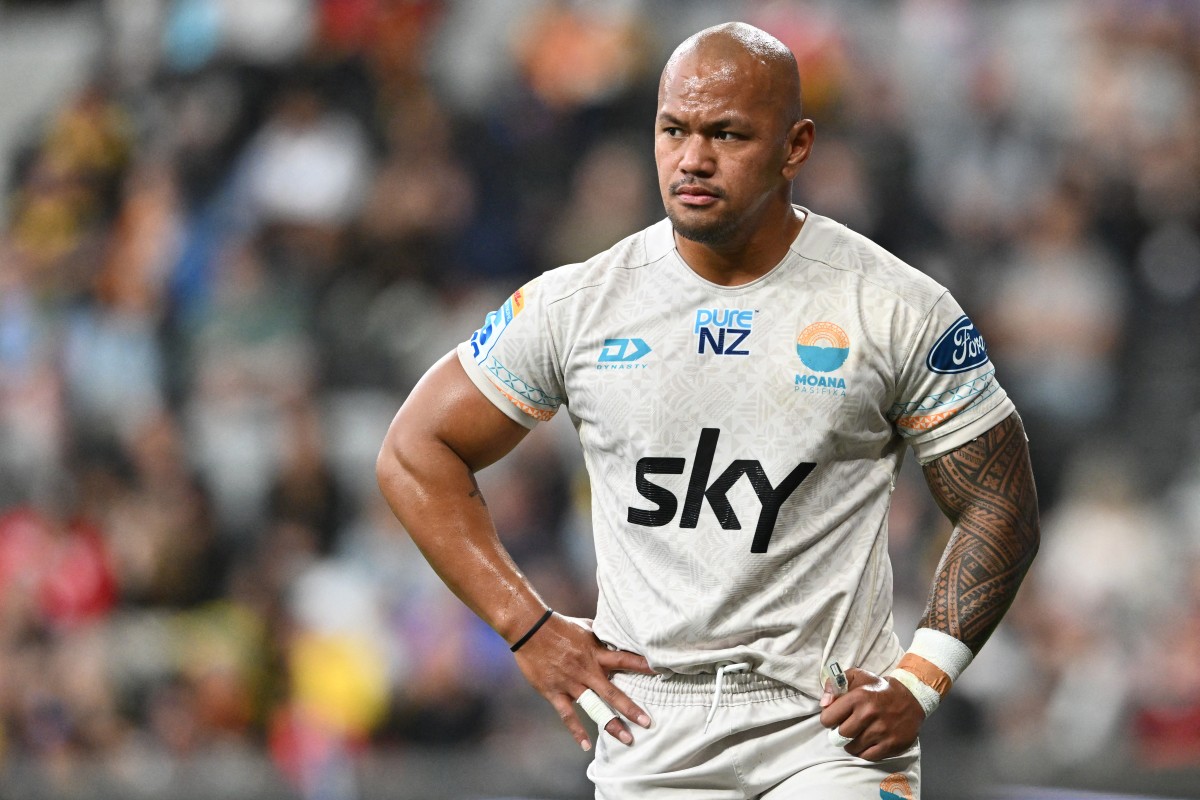
The noble experiment has ended in heartbreak. Moana Pasifika will not compete in Super Rugby in 2027 after a desperate last-gasp rescue mission fell short, bringing the curtain down on a franchise that promised Pacific representation but delivered only financial ruin.
New Zealand Rugby confirmed on Wednesday that efforts to save the Auckland-based outfit, including intervention from the governments of New Zealand, Samoa and Tonga, had ultimately proven fruitless. The harsh reality of professional sport’s bottom line has claimed another victim.
“Unfortunately, the long-term financial requirements to participate in the competition could not be met,” said New Zealand Rugby chief financial officer Chris Kinraid, delivering the death knell to a venture that was supposed to open doors for Pacific Island talent at the elite level.
Established in 2020 as a pathway for players of Pacific heritage, Moana Pasifika’s owners announced earlier this year they were pulling the plug after failing to make the numbers stack up. The annual running costs exceeded US$5.9 million, whilst the financial backing simply wasn’t there to sustain operations.
The numbers don’t lie
Kinraid laid bare the brutal economics facing any future Pacific franchise, revealing that a viable backer would require “commercial revenue of more than NZ$10 million (US$5.7 million) in addition to broadcast revenue”. Those figures paint a daunting picture for a region where corporate sponsorship remains scarce.
New Zealand sports minister Mark Mitchell confirmed the government is amongst the creditors for the liquidated business, having extended a US$1.6 million loan that will now not be recovered. Foreign Minister Winston Peters didn’t hide his frustration, stating he was “very disappointed” and had hoped NZ Rugby would grant more time before pulling the trigger.
Doomed from the start
The uncomfortable truth is that Moana Pasifika were handicapped from their inception, operating under conditions that made success virtually impossible. Strict recruitment rules prevented them from poaching players from other Super Rugby franchises, whilst they received a mere fraction of the television revenue enjoyed by New Zealand’s established clubs.
Their geographical setup proved equally problematic. Despite being based in Auckland, they played home fixtures on the North Shore, up to an hour’s drive from the South Auckland communities with the largest Pacific populations. The disconnect between team and fanbase was palpable.
Perhaps most damning was the failure to deliver on the Pacific vision itself. Whilst Moana were supposed to host several matches annually in Samoa and Tonga to grow the game where it mattered most, television commitments scuppered those plans. In five seasons, they played just two home matches in the Pacific islands, one in Tonga in 2024 and one in Samoa in 2023. The dream was betrayed by the very structures meant to support it.
Super Rugby’s shrinking footprint
Moana Pasifika become the second Super Rugby franchise to collapse in three years, following Australia’s Melbourne Rebels who folded in 2024 citing identical financial woes. The competition has lurched through various formats since launching in 1996, expanding to an unwieldy 18 teams a decade ago before reality forced contraction.
The current iteration features 10 sides, five each from New Zealand and Australia. Fijian Drua now stand alone as the sole Pacific representative, leaving the region’s rugby ambitions hanging by a thread.
NZ Rugby insist “the door remains open beyond 2027” and that they “firmly believe a team can be based in the Pacific Islands”. But without fundamental structural change, those words ring hollow. Good intentions don’t pay the bills, and Pacific rugby deserves better than broken promises.