The Minister of Forestry, Fisheries and the Environment, Willie Aucamp, has reversed a decision that would have left thousands of small-scale fishers without work, reinstating 297 vessels to traditional linefish cooperatives and correcting quota allocations for West Coast rock lobster fishers.
The decision, announced on 6 March during a media briefing attended by small-scale fishers, ends weeks of uncertainty that began in February when the department cut the number of vessels available to small-scale fishers from 547 to just 77 for the 2026/2027 season.
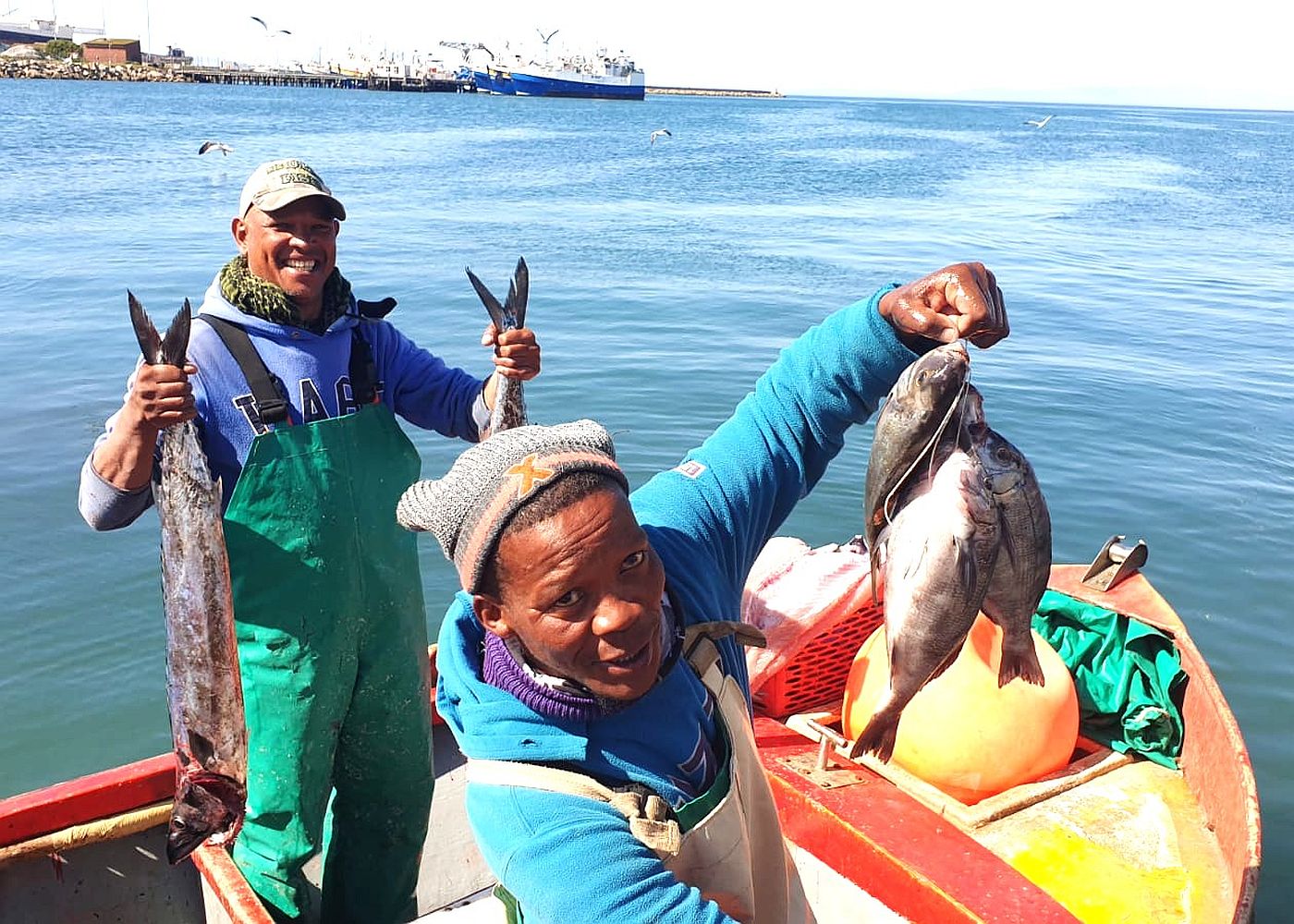
The reduction would have affected more than 15 000 people who depend directly on the fishing industry for their livelihoods, according to Faez Poggenpoel, a fifth-generation fisher with the Kalk Bay Primary Cooperative.
“This kind of decision is unprecedented, we’ve never seen this type of movement,” Poggenpoel said at the briefing. “To protect our livelihood, to protect our cultural identity and to ensure that not only 297 vessels can fish, but if you multiply that by 10 crew, that’s over 15 000 direct dependents that would have been affected by this.”
Background to the crisis
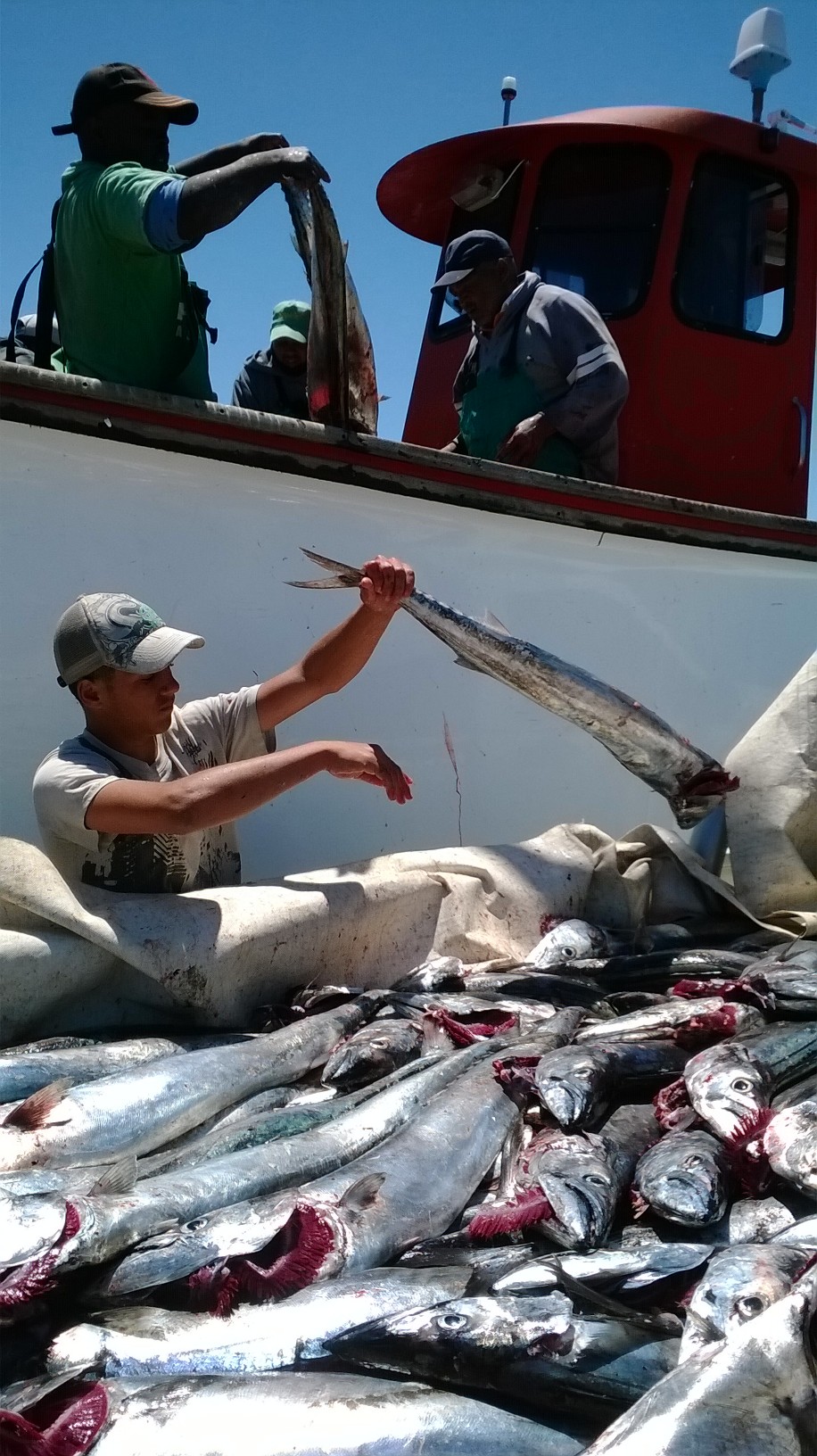
Small-scale fishers in the traditional linefish sector had used the 297 standard vessels for about 16 years as part of an interim relief system. When the department formalised the interim relief vessels into the Total Allowable Effort (TAE) system through the allocation of small-scale fishing rights, the vessels continued to be allocated to small-scale cooperatives.
However, for the 2026/2027 fishing season, these vessels were not accommodated, leaving many cooperatives with far fewer vessels to operate.
In February, fishers protested outside the department’s offices in Cape Town, warning that the cuts would jeopardise food security and leave hundreds of households without income. They demanded the decision be reversed and called for meaningful consultation.
What changes now
After reviewing the legislation, scientific basis for TAE controls and the historical reliance of small-scale communities on traditional linefish vessels, Aucamp has reinstated all 297 standard vessels into the TAE allocation for the 2026/2027 season.
The delegated authority has issued exemptions to allow small-scale fishers to continue operating while they apply for their new 2026/2027 permits.
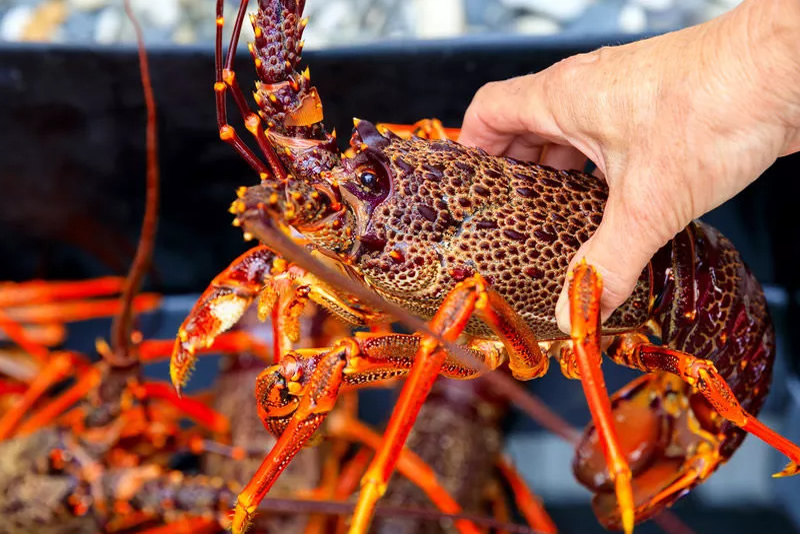
Aucamp also upheld appeals regarding West Coast rock lobster allocations. Some fishing cooperatives had received smaller allocations than in previous years, despite the overall quota increasing after the distribution of the Total Allowable Catch (TAC) for the 2025/2026 season.
The minister has requested the delegated authority to redo the calculations for individual cooperatives by Tuesday. The rock lobster season has also been extended from four months to five months.
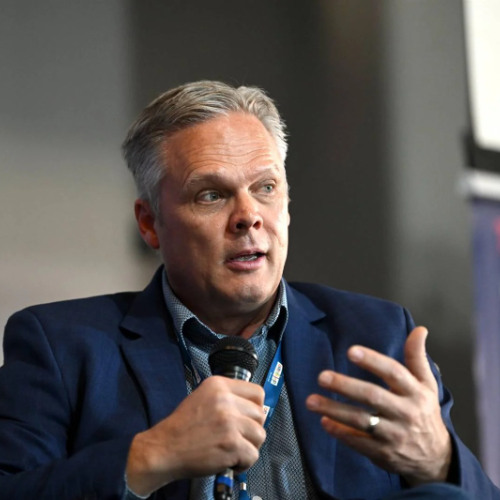
“I must note that the issuing of these decisions in such a short timeframe is exceptional in nature, but was not taken lightly,” Aucamp said. “I considered all the facts that I had before me and needed to ensure that each appeal is processed thoroughly, lawfully, and in a manner that reflects the Department’s commitment to fairness, accountability, and the sustainable use of South Africa’s marine resources.”
ALSO READ: Small-scale fishers demand recognition in food systems inquiry
Fisher response
Hilda Adams of Mamre Fishing Primary Cooperatives and chairperson of the West Coast Fishers Forum thanked the minister for the manner in which the matter was handled.
“We are very happy with the timelines for the outcomes of these appeals,” Adams said. “We are also looking forward to further stakeholder engagements on all matters affecting our livelihoods and socio-economic circumstances, as well as our custodianship, especially as someone who was born into a fisher family.”
Aucamp announced a series of follow-up engagements with small-scale fishers starting from 1 April 2026. He invited all small-scale fishers to attend based on the specific issues affecting them.
The minister said the decisions balance the need for equitable access, historical redress and community wellbeing with the department’s responsibility to ensure the long-term sustainability of South Africa’s marine resources.