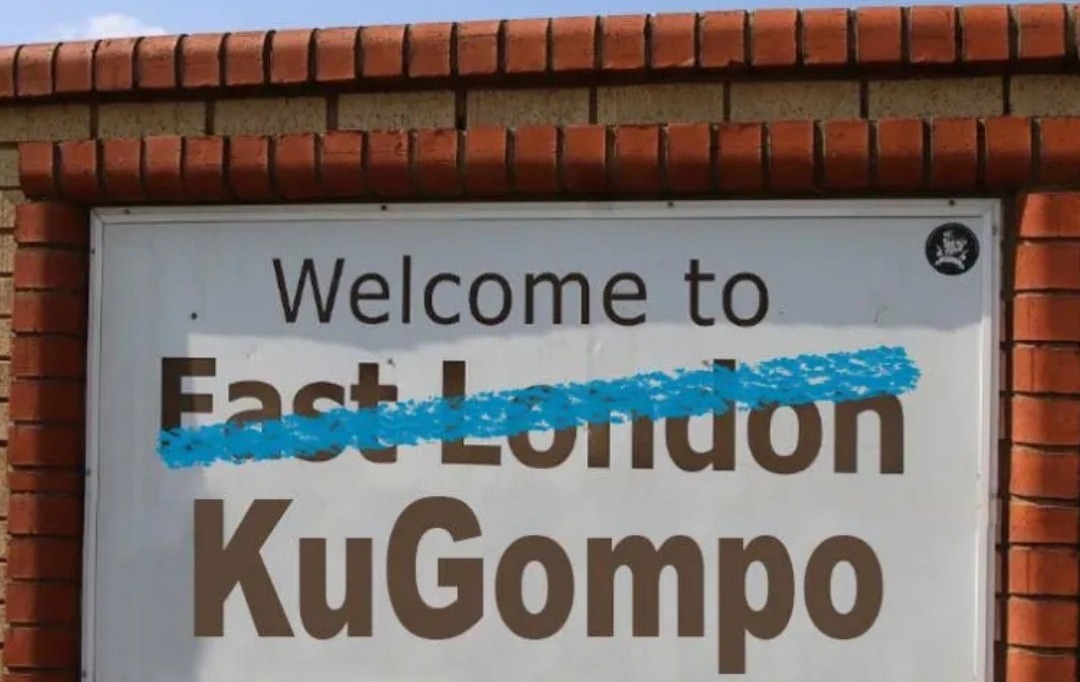
Minister of Sport, Arts and Culture Gayton McKenzie has approved 21 geographical name changes and name registrations in the Eastern Cape and KwaZulu-Natal, following recommendations from the South African Geographical Names Council (SAGNC).
The approvals were granted on Monday 26 January, the Department of Sport Arts and Culture (DSAC) confirmed in a media statement issued on 29 January.
According to the department, the approvals reflect government’s ongoing efforts to transform South Africa’s geographical naming system.
DSAC said the process is aimed at “transforming South Africa’s naming landscape, promoting social cohesion, and recognising the country’s diverse heritage”.
The department explained that the SAGNC is mandated to standardise geographical names and to “redress, correct and transform the geographical naming system in order to advance restorative justice”.
This includes addressing the country’s colonial and apartheid-era naming legacy by ensuring that place names reflect indigenous languages, cultural heritage and natural heritage.
DSAC said the standardisation and renaming of towns, cities and geographical features also contribute to symbolic reparations.
“This aligns with government’s commitment to implementing the spirit of the Truth and Reconciliation Commission’s recommendations by restoring dignity and correcting historical imbalances,” the statement read.
The department confirmed that the approved names are currently in the process of being officially gazetted in the Government Gazette.
“The Department will share the full list of the twenty-one approved names as soon as they are published in the Gazette,” DSAC said.
Meanwhile, the Economic Freedom Fighters (EFF) in the Eastern Cape have welcomed the minister’s approval of the name changes.
In a statement issued on Wednesday, 28 January, the party said it “notes and welcomes the renaming of towns such as East London, commonly known as eMonti, to the proposed name KuGompo City”, as well as other towns in the province.
The EFF said the name changes are “part of a necessary process meant to correct the unfair history behind many town names in South Africa”.
The party noted that the Eastern Cape has a long history of colonialism, where “African people were pushed aside” and public spaces were named after colonial leaders and settlers.
The party said place names are not neutral.
“They carry meaning, memory and identity,” the EFF said, adding that continuing to live and work in spaces named after colonial figures “reinforces a painful history of exclusion and undermines the dignity of African people”.
While welcoming the approval, the EFF cautioned that symbolic transformation must be accompanied by material change.
“Renaming towns alone will not resolve unemployment, poverty, inequality and poor service delivery,” the party said, calling for a wider programme of economic freedom, land restoration and social justice.
The EFF also stressed that renaming is not intended to divide communities. “It is about fixing past injustices and making sure that everyone, especially the African majority, feels recognised and respected,” the statement concluded.