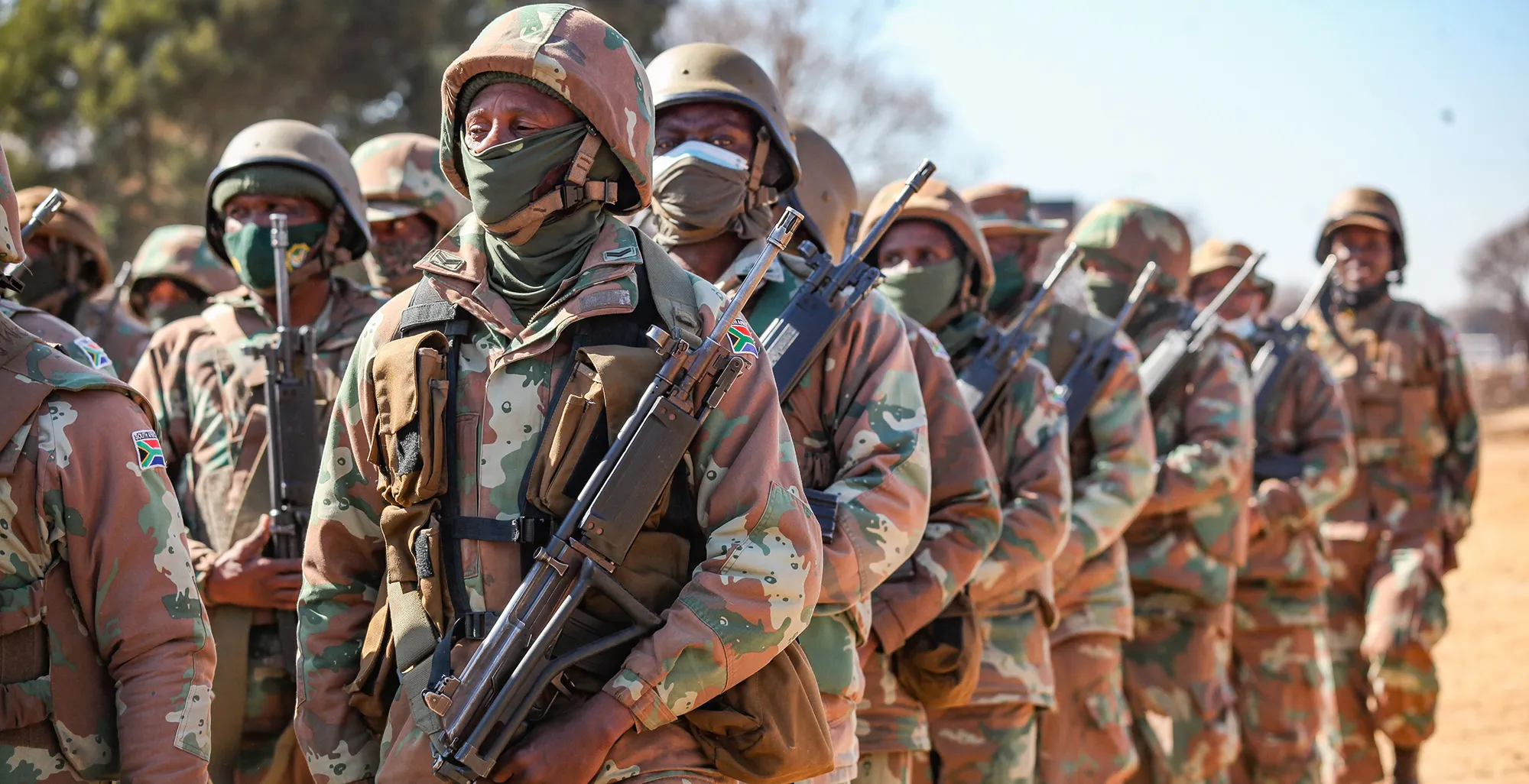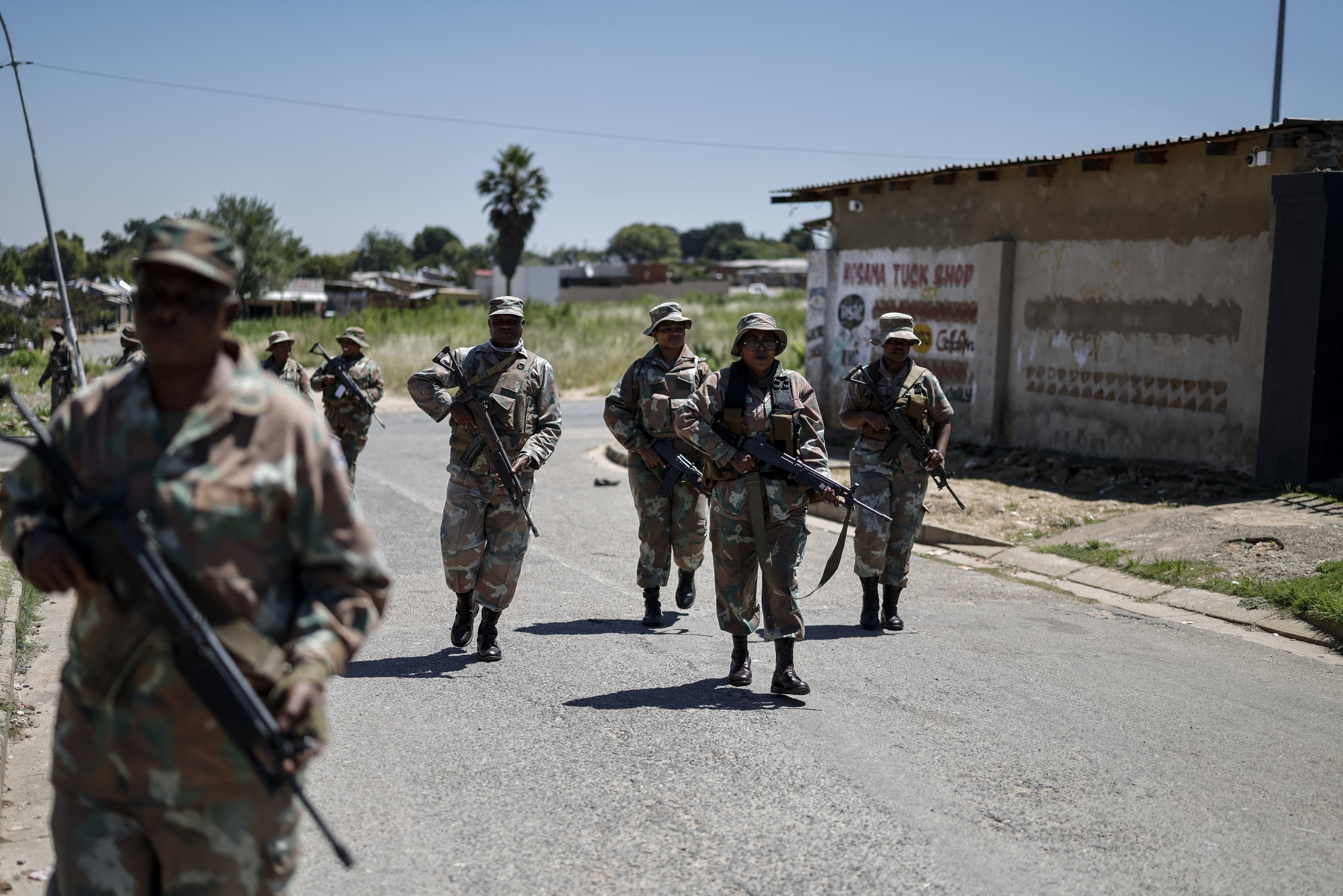
The deployment of soldiers to combat gang violence and illegal mining in South Africa has been marred by delays and questions over constitutional compliance, with Parliament only informed of troop movements weeks after they began.
President Cyril Ramaphosa told the National Assembly on Thursday that the South African National Defence Force would act as a “force multiplier” to support police operations against gang violence in the Western Cape, Eastern Cape and Gauteng, as well as illegal mining activities in Gauteng and the North West.
“The SANDF deployment is necessary to complement the efforts of SAPS in tackling these crimes and bringing stability to communities,” Ramaphosa said.
However, the Democratic Alliance has demanded urgent clarity on why letters authorising the deployments have still not been tabled before the Joint Standing Committee on Defence, raising concerns about constitutional compliance.
Parliament only received notification on Monday about a military deployment to combat illegal mining in Gauteng under Operation Prosper, despite the operation having begun on 30 January and being scheduled to end on 30 April.
This means Parliament was informed 38 days after troops were deployed, in apparent breach of Section 201 of the Constitution, which requires the president to inform Parliament promptly when the SANDF is employed.
“When notification occurs more than a month after the fact, Parliament’s ability to meaningfully exercise its oversight powers is significantly undermined,” said Nicholas Gotsell, DA member of the National Council of Provinces.
The letters authorising gang-related deployments to the Western Cape and other provinces announced during the State of the Nation Address have still not been submitted to Parliament.
ALSO READ: Soldiers deployed to Johannesburg crime hotspots at a cost of R80 million
The delays come as the Department of Defence faces a severe financial crisis. The Secretary for Defence confirmed during a committee meeting last week that the department does not currently have the R823 million required for the newly announced deployments.
This occurs while the department has failed to account for R813 million allocated for troop allowances above its 2024/25 budget.
Gotsell said the absence of employment letters, combined with the lack of preparedness displayed by the Department of Defence and police during committee meetings, raises serious concerns about the original announcement.
The president said soldiers would operate under police command with clear rules of engagement for specific, time-limited objectives. They may assist by providing protection during high-risk operations, supporting cordon-and-search operations against armed criminals and securing critical infrastructure.
This support would allow police officers to focus on investigations, arrests and building cases for prosecution, according to Ramaphosa.
The deployment forms part of broader interventions including strengthening anti-gang units and illegal mining task teams. Police will work with the National Prosecuting Authority through multidisciplinary task teams aimed at dismantling criminal networks by targeting their leadership, finances, firearms and logistics.
“Through this support we aim to achieve a significant reduction in serious and violent crime across targeted areas of deployment with the neutralisation of gang violence and illicit mining,” the president said.
The DA has called on Ramaphosa to urgently table the employment letters for gang-related deployments so the committee can properly interrogate them.
ALSO READ: Western Cape welcomes troop deployment but calls for long-term policing reforms