
Loud explosions rocked Tehran on Tuesday as the conflict between Israel, Iran and their allies intensified for a fourth consecutive day, with strikes hitting targets across the Middle East and threatening to draw more nations into the expanding war.
The Israeli military said it had struck a high-ranking Iranian commander in the Iranian capital, where AFP journalists heard loud blasts from locations in central Tehran. The attacks came as Iran threatened to open “the gates of hell” on the United States and Israel.
The conflict erupted over the weekend when US and Israeli forces launched strikes on Iran that killed the country’s supreme leader, triggering a wave of retaliatory attacks that have since spread across the region.
Regional strikes intensify
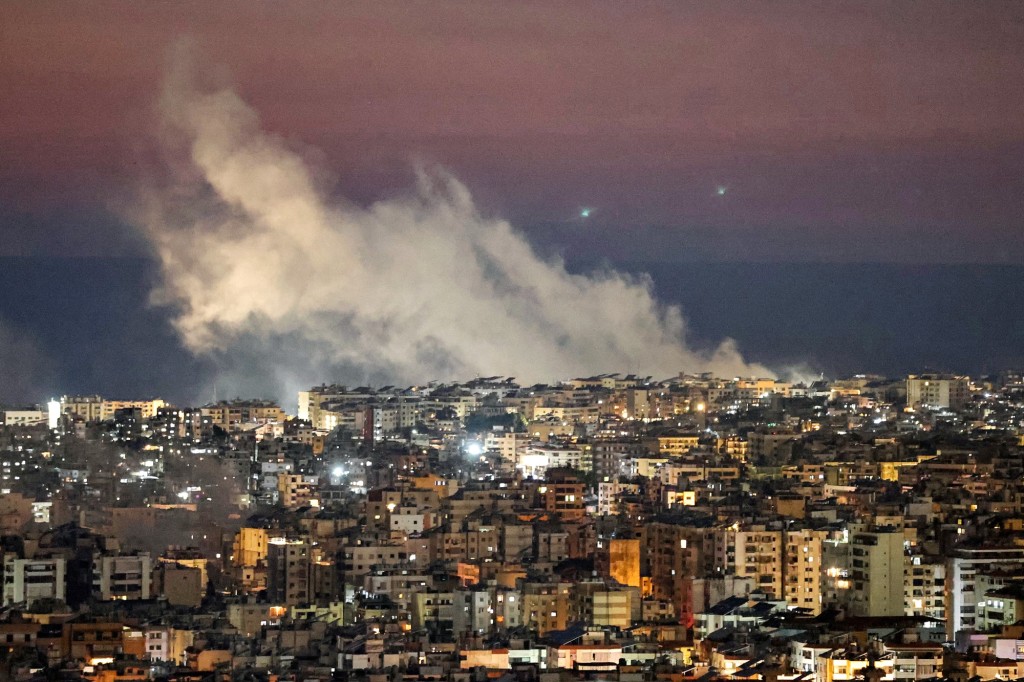
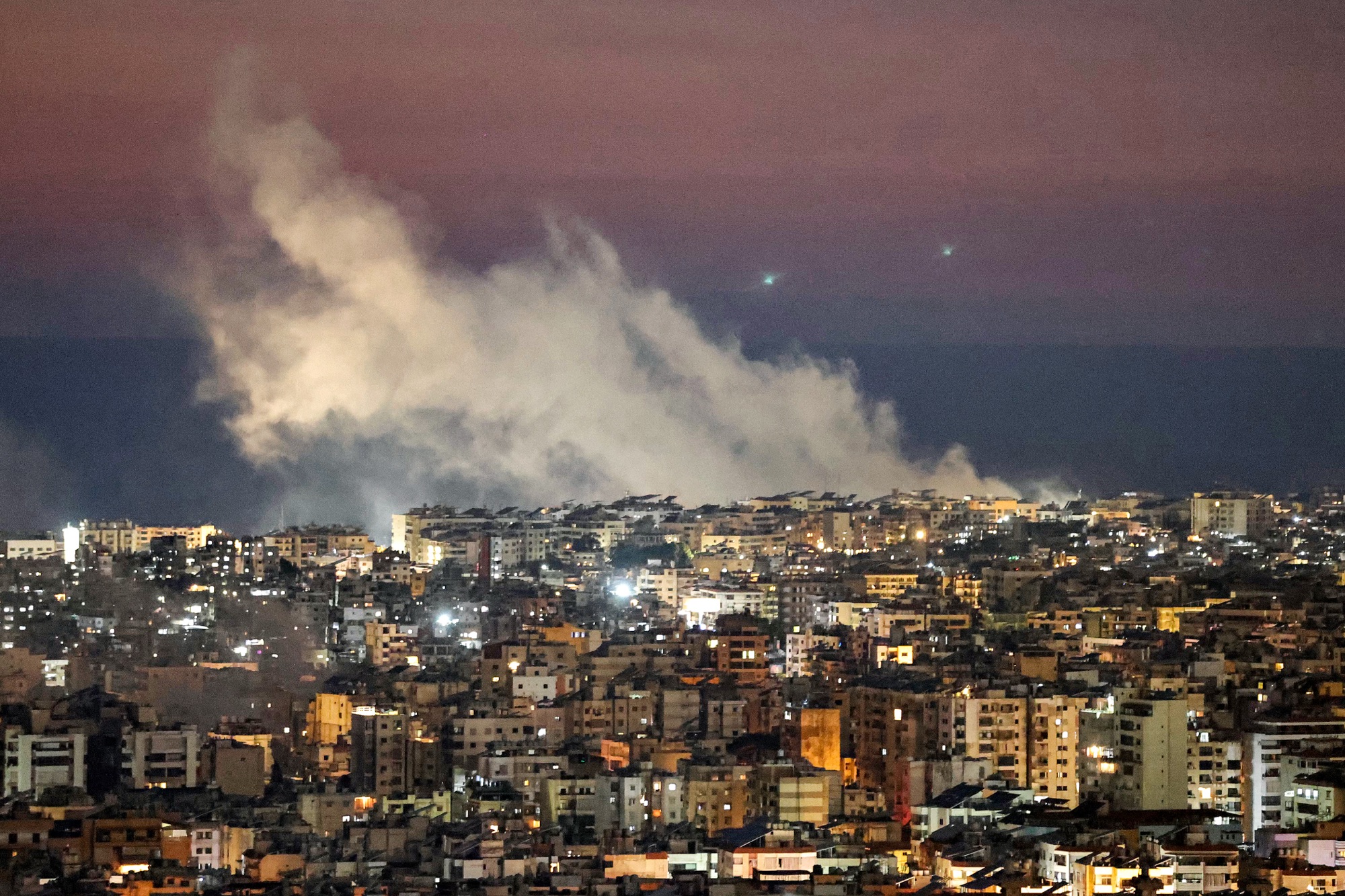
Air strikes hit Beirut’s southern suburbs on Tuesday, an area controlled by Hezbollah, with Lebanon’s state news agency reporting extensive damage to buildings. The Iran-backed militant group said it had targeted the Maayan Baruch military facility in Israel using rockets.
Israel has ordered its forces to take control of additional positions inside Lebanon to create a buffer zone. Military spokesman Effie Defrin said Israeli forces were creating a barrier “between our residents and any threat”. The Lebanese army pulled back some forces in response to Hezbollah’s attacks on Israeli bases.
The escalation has displaced at least 30 000 people in Lebanon, according to the UN refugee agency.
Iran appeals to UN
Iran urged the United Nations Security Council to intervene to halt the war. Foreign ministry spokesman Esmaeil Baqaei said the council “has a duty… if it wishes, it can certainly act, because there is no obstacle to its action except its own will”.
Israeli Foreign Minister Gideon Saar told around 60 ambassadors in a virtual meeting that countries worldwide must sever diplomatic ties with Iran.
Iran’s Revolutionary Guards warned of more intense attacks ahead. Spokesman Ali Mohammad Naini told state television that “the enemy must await continuous punitive attacks; the gates of hell will open more and more, moment by moment, upon the United States and Israel”.
Nuclear site damaged
The International Atomic Energy Agency confirmed that Iran’s underground uranium enrichment plant at Natanz had sustained damage to entrance buildings, though no radiological consequences were expected. Tehran said the facility was attacked on Monday.
Widespread attacks
AFP journalists reported explosions in the Bahraini capital Manama, where air raid sirens sounded, and in Doha, Qatar, as Iran launched a fourth day of strikes on Gulf nations.
Two drones struck the US embassy in the Saudi Arabian capital Riyadh, sparking a fire. The Saudi foreign ministry condemned “the heinous attack”, describing it as “cowardly and unjustified”.
Amazon said two of its data centres in the United Arab Emirates had been directly struck by drones, disrupting cloud services across parts of the Middle East. A facility in Bahrain was also damaged.
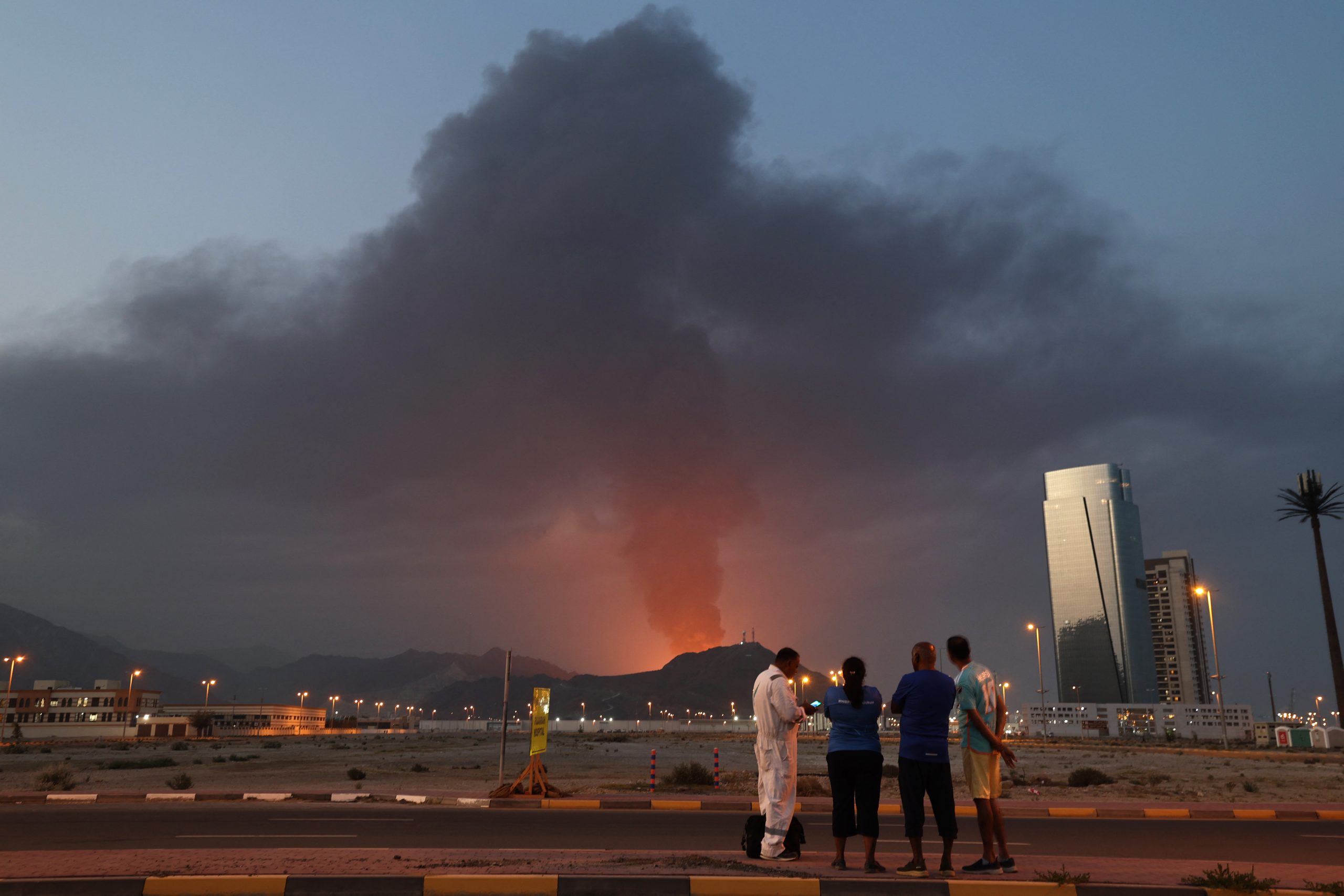
Drone debris caused a fire at an oil industry zone in the UAE city of Fujairah, though operations resumed once the blaze was contained. In Oman, a drone hit a fuel tank at a port, though authorities said the damage had been contained without casualties.
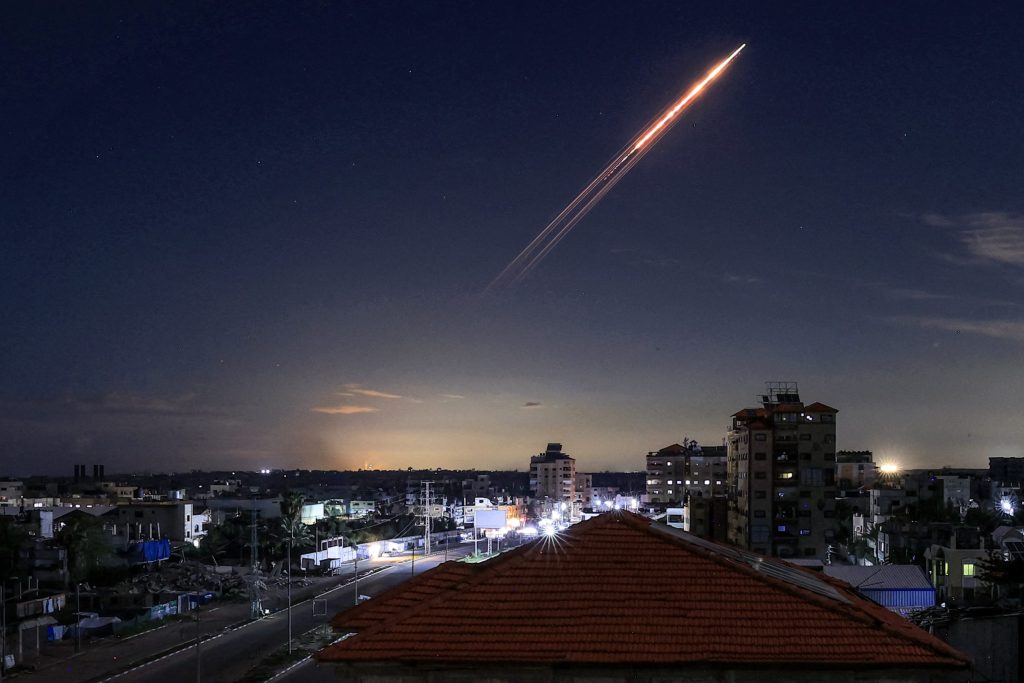
Jerusalem also experienced a series of overhead explosions after the Israeli military detected missiles launched from Iran.
The Iranian Red Crescent said more than 787 people have been killed nationwide since the US and Israeli strikes began, though AFP could not independently verify the figure.
Economic impact
Oil prices soared as the conflict disrupted supplies, with the crucial Strait of Hormuz effectively closed and energy infrastructure across the region damaged. Brent North Sea crude jumped more than 8% to reach $85.12 a barrel, its highest level since July 2024.
Precious metal prices fell sharply as traders shifted to energy and the US dollar. Gold shed more than 4% to around $5 075 an ounce, whilst silver plunged more than 12% to just under $78 an ounce.
China called on all parties to maintain safety in the Strait of Hormuz, a vital shipping route for oil and gas, urging an immediate cessation of military operations.
International tensions
US President Donald Trump said the US-UK relationship was “not like it used to be”, amid a major transatlantic rift over Prime Minister Keir Starmer’s initial refusal to allow the United States to use British military bases.
In an interview with Britain’s Sun newspaper, Trump said Starmer “has not been helpful”, adding: “It’s very sad to see that the relationship is obviously not what it was.”
France has deployed Rafale fighter jets over the United Arab Emirates to protect its naval and air bases against Iranian attacks, Foreign Minister Jean-Noel Barrot said.



You must be logged in to post a comment.