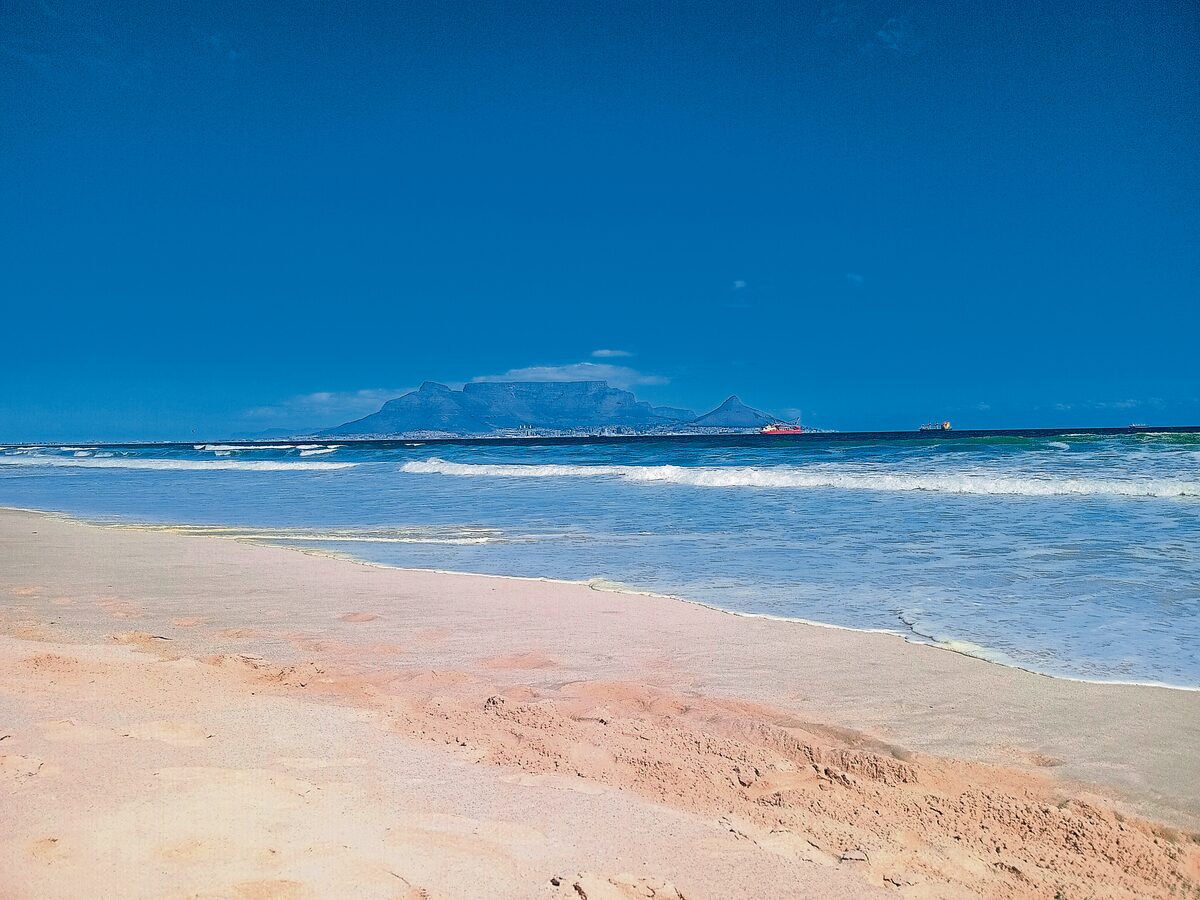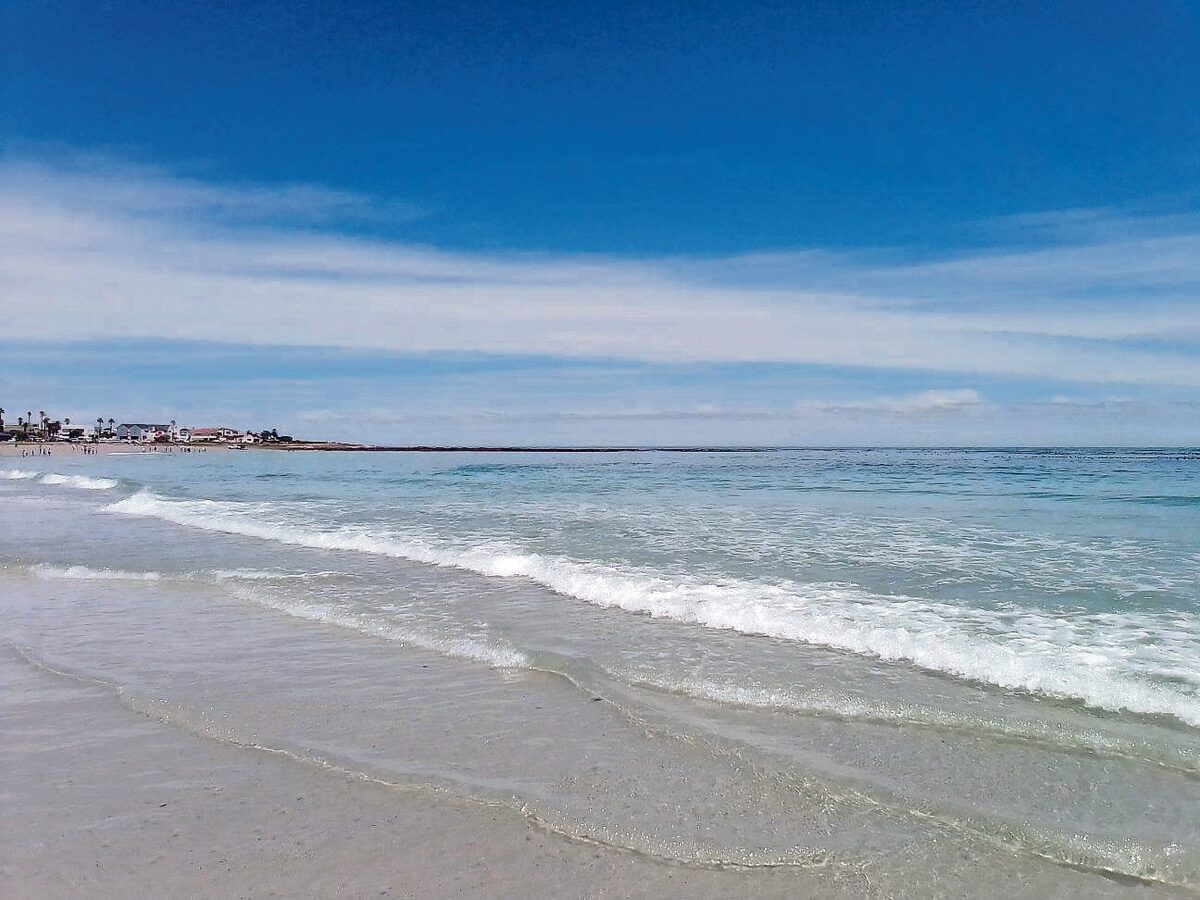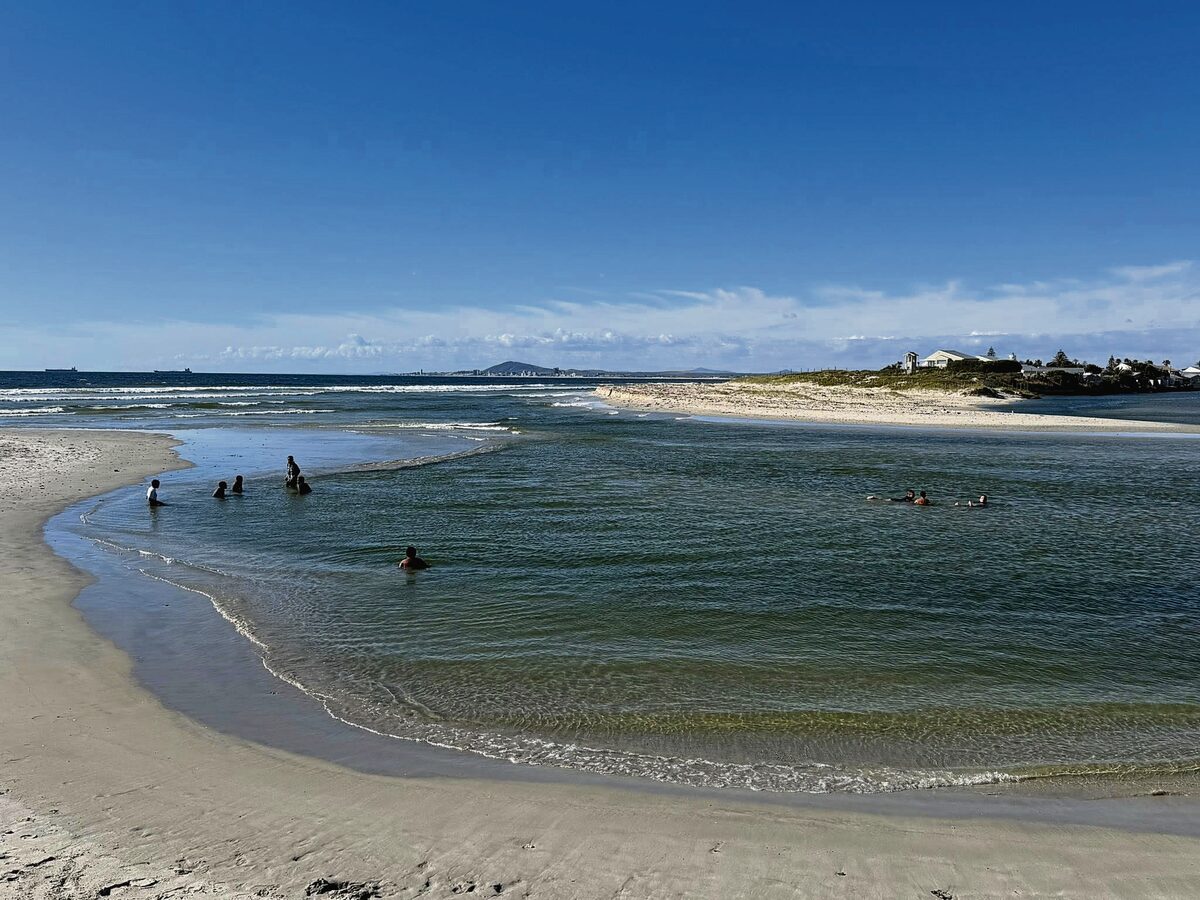
CAPE TOWN – Swimming at Melkbosstrand Beach had just officially resumed after a temporary closure due to a sewage spill over the weekend — but now another suspected spill has shaken public confidence.
Videos of the latest incident circulated widely on social media over the weekend, prompting renewed concern from residents. TygerBurger is still awaiting an official response from the City of Cape Town.
Earlier last week, the City of Cape Town closed the popular West Coast beach after untreated sewage entered coastal waters following an overflow at the 11th Avenue pump station during maintenance at the Ou Skip Main Pump Station. Health and environmental officials were dispatched to assess conditions, and water-quality tests were taken before the beach was reopened once it met safety guidelines for recreational use.
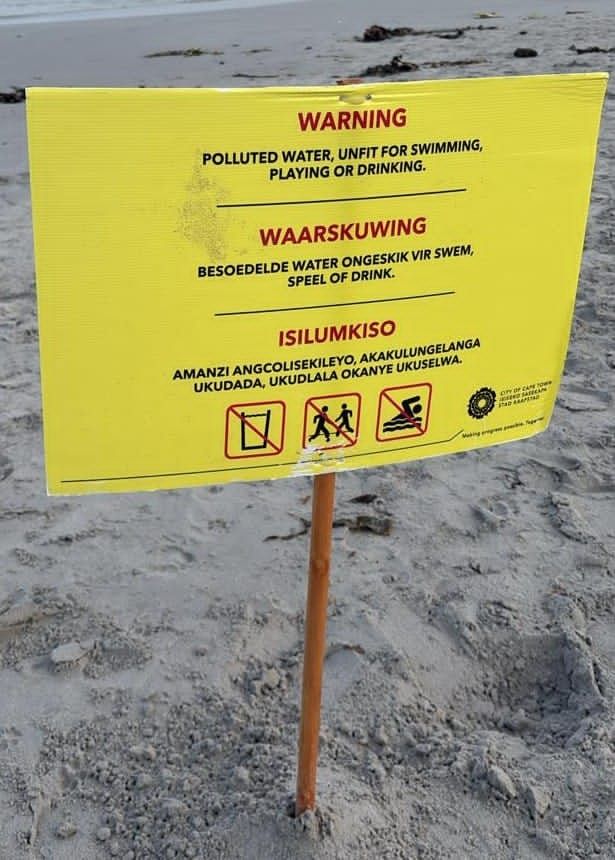
“The pump-station team completed the clean-up operation and public-health warning signage was erected as a precautionary measure,” the City said at the time.
However, the emergence of new footage this week showing what appears to be fresh sewage contamination has once again raised questions about water safety and infrastructure reliability. Residents are now looking to authorities for clarity and reassurance.
READ MORE: https://novanews.co.za/tygerburger/melkbosstrand-beach-reopens-after-sewage-spill/
A history of beach pollution incidents
The Melkbosstrand spill isn’t the first time Cape Town’s beaches have faced sewage-related trouble. In recent years, similar issues have affected other coastal areas:
- Small Bay Beach in Bloubergstrand was impacted by sewage incidents in past years, including a high tide that snapped a sewer pipe and forced precautionary responses, disrupting community events at the beach. Local residents have long criticised recurring spill problems as a health hazard and an eyesore.
- Milnerton Lagoon and Lagoon Beach have also grappled with pollution and sewage overflows tied to ageing infrastructure, leading to stench and environmental concerns as well as repeated calls for long-term upgrades.
These recurring contamination events highlight wider infrastructure challenges facing Cape Town’s sewer and coastal systems — from pipe breaks to stormwater inflow, aging networks, and blockages — that can all contribute to pollution risks.
Residents remain worried
Local users of Melkbosstrand Beach have expressed mixed reactions to the reopening and the subsequent spill footage.
Mariska van Zyl, a regular visitor, said she was pleased to see the beach open again and enjoy swims and walks, but acknowledged that incidents like this can erode confidence in safety controls.
Andre Jacobs, a local angler, said such spills shouldn’t be recurring and urged authorities to find more permanent solutions to prevent future contamination.
What authorities say
City officials previously reiterated that public health is the priority and that beaches are only reopened after rigorous water testing shows they meet the National Coastal Water Quality Guidelines for recreational use. Beachgoers are encouraged to check official City communications if conditions change or further advisories are issued.
Until further clarity is provided on the latest spill, residents and visitors are urged to stay informed, avoid water contact if warnings are posted, and report any unusual water discolouration or odors to local environmental health officials.