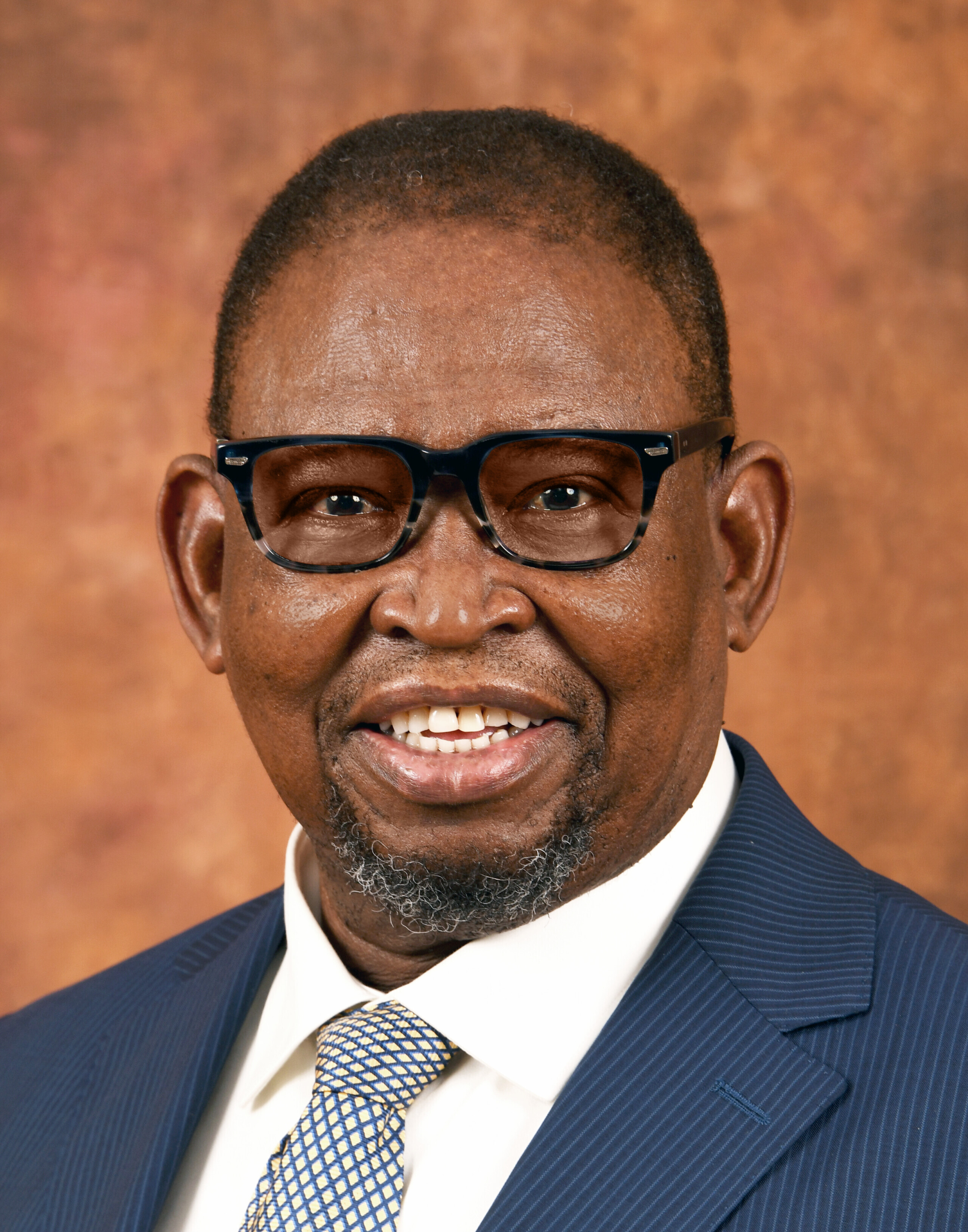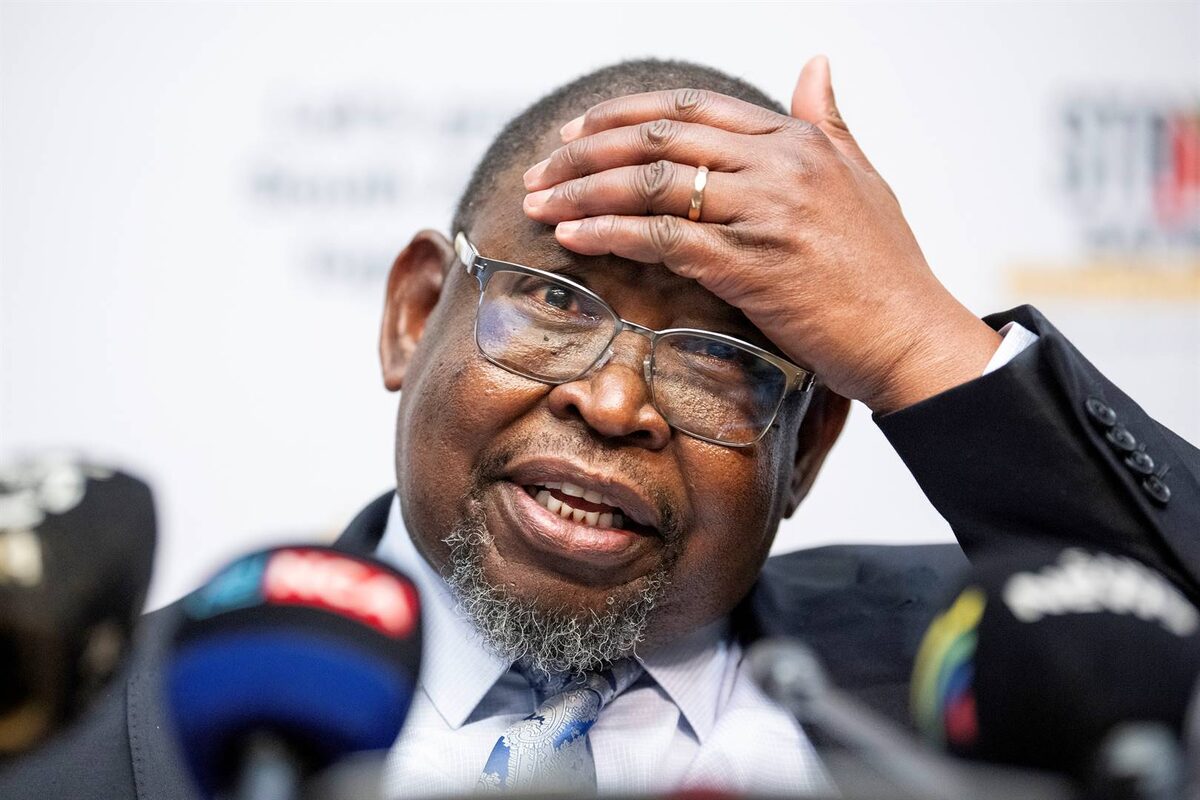
Finance Minister Enoch Godongwana delivered the Medium-Term Budget Policy Statement (MTBPS) in Parliament on Wednesday 12 November, confirming that government debt will stabilise at 77,9% of GDP in 2025-’26.
These details were crucial in laying out the plans for the Medium-Term Budget for 2025 – South Africa’s first such milestone since the 2008 financial crisis.
Godongwana said the fiscal turnaround follows stronger tax collection, improved efficiency worth R6,7 billion, and better-than-expected economic growth.
“This is the first time since 2008 that public debt will not grow as a percentage of GDP,” said Godongwana. “We have achieved this without resorting to harsh austerity.”
Monetary policy overhaul
The Finance Minister announced a major policy shifts, setting a new 3% inflation target with a 1% tolerance band, replacing the previous 3 to 6% range. This policy aligns with the strategic plans laid out in the Medium-Term Budget 2025.
“South Africa will move towards international best practice,” he explained. The new target will be implemented gradually over two years in partnership with the South African Reserve Bank.
The tighter band aims to strengthen price stability and help consumers and businesses plan long-term investments with greater confidence.
Infrastructure-led growth strategy
Godongwana outlined a R1 trillion infrastructure investment programme over three years. Capital expenditure will grow by 7,5% annually, making it the fastest-growing budget item. This is a significant part of the Medium-Term Budget.
“We are leveraging public resources to attract private finance and expertise to drive growth,” he said.
A new R15 billion infrastructure bond will support projects in energy, logistics and water, key sectors that underpin economic recovery.
For updates on infrastructure projects, see the National Treasury page.
Key numbers at a glance
| Indicator | Value |
|---|---|
| Debt stabilisation | 77.9% of GDP (2025-’26) |
| Inflation target | 3% ± 1% (from 3 to 6%) |
| Growth forecast | 1,2% (2025), 1,8% average (2026 to 2028) |
| Infrastructure investment | R1 trillion (3 years) |
| Primary surplus | R68,5 billion (2025) → R224 billion (2028-’29) |
Economic growth and structural reforms
Real GDP growth is projected at 1,2% for 2025, up from 0.5% in 2024, with an average 1,8% between 2026 and 2028.
Godongwana said government continues to tackle energy and logistics bottlenecks. About 2 220 MW of renewable energy projects are underway, and private participation in ports and freight rail could unlock R200 billion in new investment.
A national water resource infrastructure agency will begin operations by April 2026, following amendments to the Water Services Act – reforms all part of the broader Medium-Term Budget 2025 strategy.
Fiscal efficiency and savings
National Treasury plans to save R6,7 billion by scrapping underperforming programmes and introducing an early-retirement scheme worth R3,5 billion in annual savings.
Authorities will also intensify enforcement against illicit trade, which has cost about R40 billion in excise revenue since 2020. These measures are aligned with the goals set out for Medium-Term Budget 2025.
Budget balance and allocations
The overall deficit will narrow from 4,5% of GDP in 2025-’26 to 2,7% by 2028-’29. Debt-service costs will grow more slowly at 3,8% annually, compared with earlier projections of 7,%.
New allocations include:
- R2 billion to rebuild Parliament;
- R1 billion for the 2026 municipal elections; and
- R4.1 billion for disaster relief in flood-affected provinces.
Political and market response
Godongwana said the statement “sends a clear message, South Africa is choosing growth, stability, and reform.”
The announcement follows the country’s exit from the FATF grey list and comes ahead of its African G20 presidency, reflecting stronger international confidence in the plans laid out by the Medium-Term Budget 2025.
The MTBPS will now undergo parliamentary review and public consultation before the February 2026 national budget.