

WELKOM – There is relief in sight for the residents of Matjhabeng as the major refurbishment and upgrade of the Thabong and Kutlwanong Waste Water Treatment Works (WWTW) and pump stations near completion.
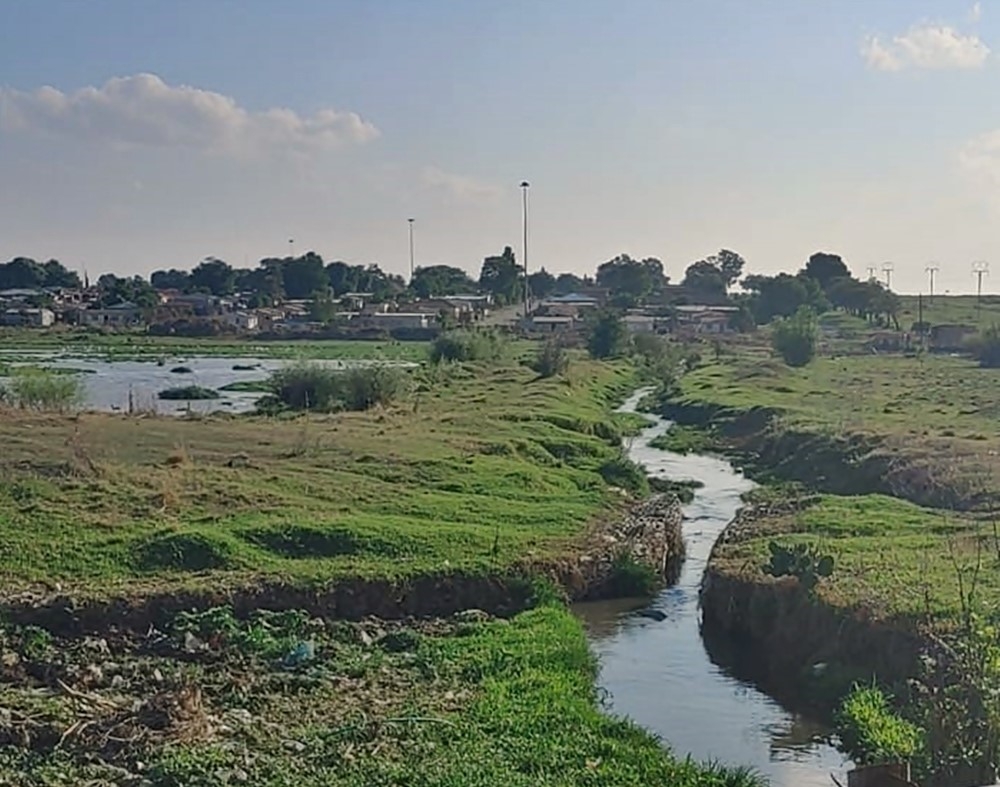
The Matjhabeng Local Municipality has been grappling with sewer spillages for an extended period, prompting the Free State Department of Water and Sanitation (DWS) to intervene following a ministerial directive to assist the municipality.
Comprehensive infrastructure overhaul
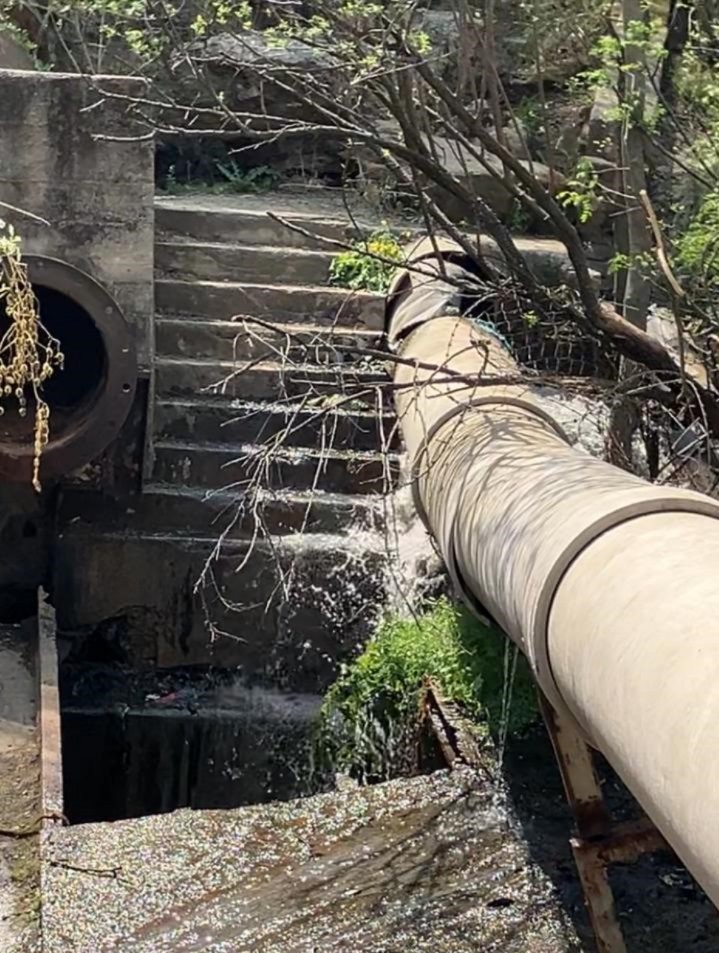
The Free State Department of Water and Sanitation (DWS) worked with the municipality to refurbish and upgrade Thabong and Kutlwanong Waste Water Treatment Works (WWTW) and pump stations, in order to address the persistent problem of sewer spillages.
The scope of work regarding the refurbishment projects in Matjhabeng Local Municipality included pump station refurbishment, sewer unblocking, and wastewater treatment works refurbishment.
Significant progress achieved
Nine wastewater treatment works and 42 non-functional sewer pump stations were refurbished and upgraded, whilst sewer network lines consisting of approximately 400km outfall lines and chambers with a total distance of 1,543km were unblocked.
Both Thabong and Kutlwanong WWTWs are nearing completion, with both projects reaching progress above 98%. Nineteen pump stations, including Bronville North, Bronville South, Rheederspark, and Akasia, have been completed and handed over to Matjhabeng Local Municipality to operate.
Electricity connection crisis
Although the projects are almost complete, there remains a significant problem with electricity connection to the upgraded infrastructure. The problems are caused by vandalism of electricity infrastructure in Matjhabeng Local Municipality, as well as delays in payment by the municipality to Eskom.
The municipality is in consultation with Eskom and will hopefully reach an agreement that will see the Matjhabeng community benefiting from the refurbished infrastructure.
Financial implications
The two WWTWs, Thabong and Kutlwanong, are equipped with generators; however, the delay in electrical connection could cause detrimental delays in getting the plants fully operational. Running Thabong WWTW on generators alone is estimated to cost the municipality R2 million monthly.
The municipality has assured the committee that competent plant operators will be hired to run the facilities and security has been increased to prevent vandalism, especially during the contractors’ break.
Race against time
With the contractors’ break scheduled for 15 December, all stakeholders have been working relentlessly to ensure that projects reach practical completion.
This major infrastructure investment represents a crucial step towards resolving Matjhabeng’s long-standing sewage crisis, though the electricity connection challenges threaten to delay the full benefits reaching residents.


You must be logged in to post a comment.