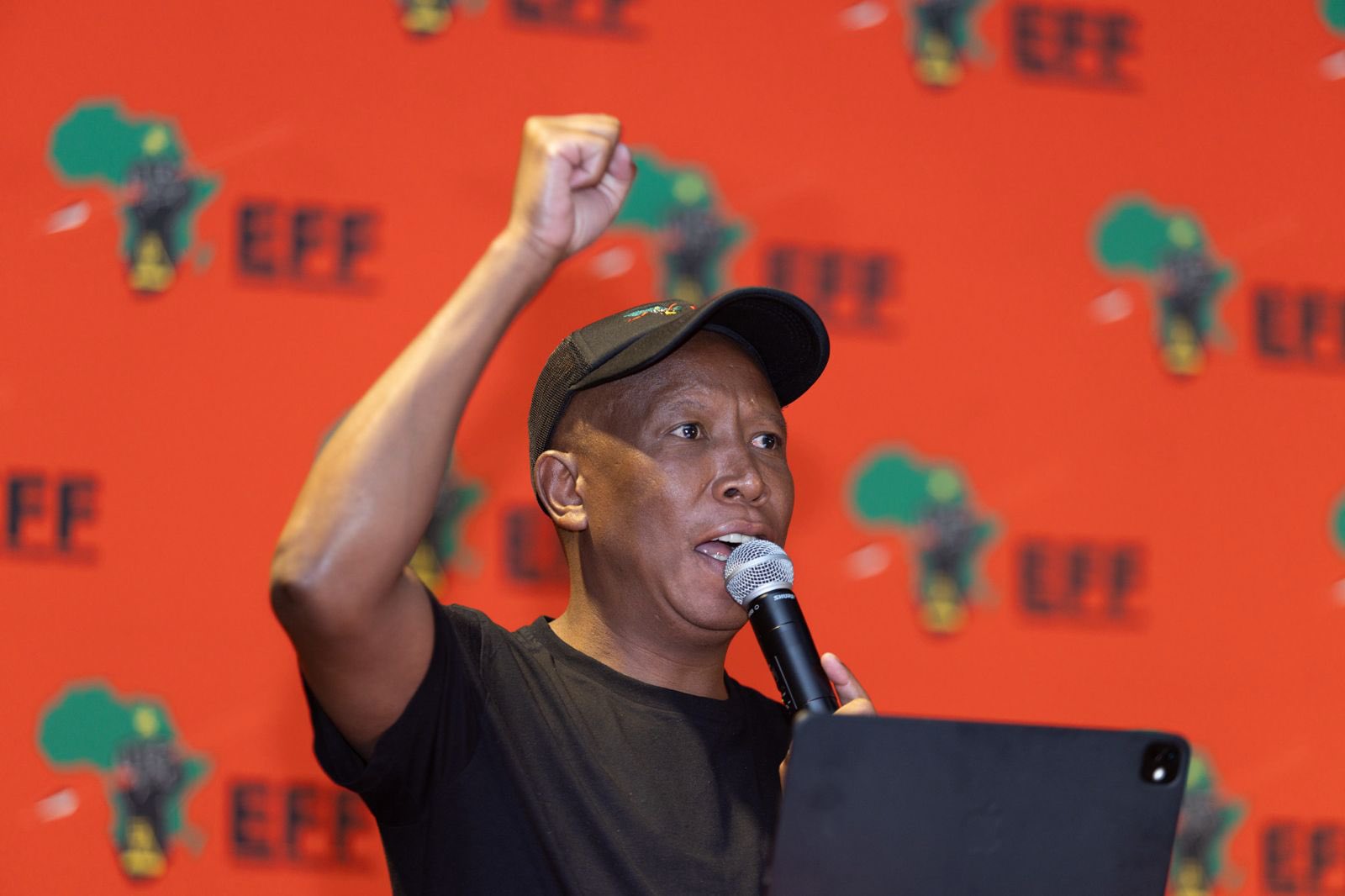
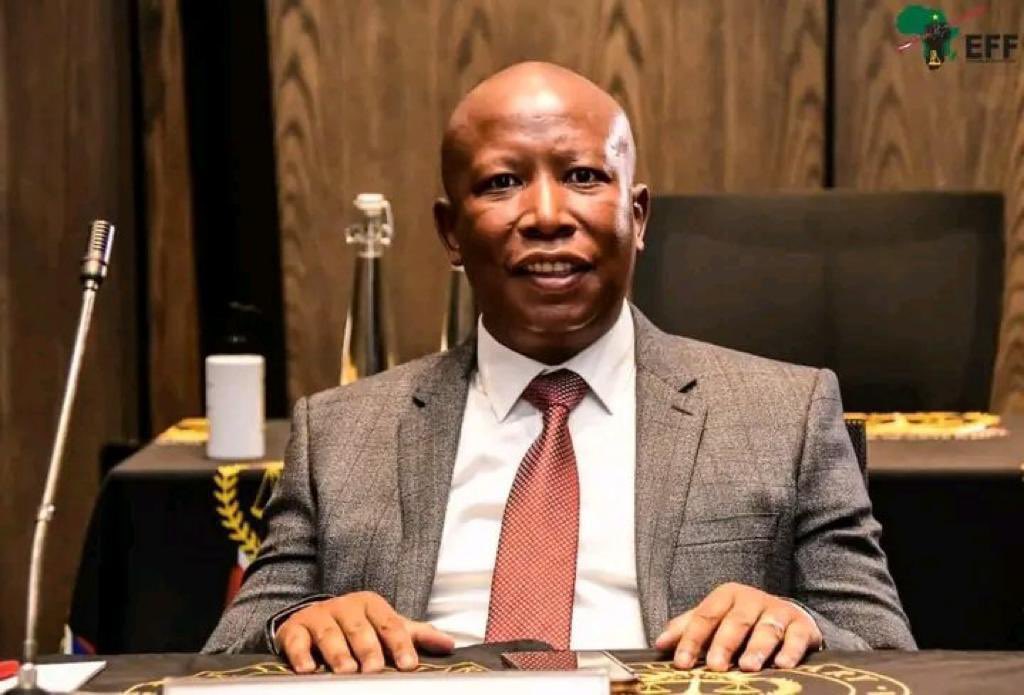
The sentencing hearing for Economic Freedom Fighters (EFF) leader Julius Malema’s firearm case took place at East London Magistrate’s Court today, 15 April, in a full courtroom.
The case relates to charges including unlawful possession of firearms and ammunition, discharge of a firearm in a built-up area, and reckless endangerment of property from an incident on 28 July 2018.
Defence arguments
The defence stated that all alleged crimes occurred within one minute and that the accused has no prior convictions. The defence argued that Malema regrets the act whilst maintaining innocence, with no intention to influence people to fire firearms recklessly.
The defence maintained that possession charges do not always warrant imprisonment and that the case facts must be examined individually. They argued that possession charges are often suspended or result in fines, and that imprisonment purely for holding a firearm would be contrary to law.
The defence noted that no witnesses testified they feared Malema because of his actions and that no witnesses from the 200-plus people present, nor police officers, were called to testify about “fearing for their lives.”
The defence stated that in South African judicial history, no case indicates that discharging a firearm at a funeral celebration has resulted in prosecution. They proposed a non-custodial sentence incorporating a fine, suspended sentence, restriction from firearm use, and a monetary donation.
State arguments
The State argued that custodial sentencing was inevitable and requested the maximum sentence of 15 years imprisonment. Prosecutor Caesar stated that there was a plan to possess two firearms, with shots fired in an area where over 200 people were present near a densely populated residential community around the stadium.
The State placed Malema in the 7-15 year sentencing category, arguing that because he is a public figure, the court must set an example to potential offenders who discharge weapons in crowded spaces. They stated it was “bare fortune” that no injuries occurred or property damage resulted, describing the act as premeditated.
The prosecutor stated, “The accused acted with malicious intent, with his actions constituting extreme danger to the 20,000 people present, not mentioning the community around the Mdantsane stadium. It was by the grace of God that no one got hurt.”
The State argued that as a political leader with a large following, young people would emulate this behaviour. They alleged that similar acts had occurred previously where perpetrators used Malema’s excuse of the gun being a toy.
Firearm return dispute
The State defended returning the firearm to its owner before judgement, citing Sections 30 and 31 of the Criminal Procedure Act. The prosecutor said there was an email agreement that the weapon would be returned if the second accused was found not guilty.
The defence argued this decision was inappropriate, claiming prosecutors had made a ruling reserved for the presiding magistrate. They stated, “The return of the firearm before judgement is an indication that the State does not consider the offence to be a serious one.”
Evidence disputes
The State claimed 15 shots were fired from a 9mm pistol plus additional rifle shots. The defence disputed this, stating only one bullet was fired and questioning whether it was justifiable to send someone to prison for the discharge of a single bullet.
The State criticised the pre-sentencing report prepared by probation officer Jessie Thompson, alleging she completed her assessment in five hours and was biased, claiming she was “paid by the accused” to compile the report.
The defence argued that Malema’s statement about everything being “perfect, calculated and designed” referred to the entire celebratory event, not the gunfire incident specifically.
Constitutional arguments
Both sides cited Section 9 of the Constitution regarding equality before the law. The defence argued that Malema should be treated like any other citizen, whilst the State maintained that everyone should be held to the same standard, but also argued that Malema must be made an example of because of his prominence as a member of Parliament.
The defence claimed that AfriForum was behind the prosecution of Malema, according to a statement allegedly made by Malema.
Court decision
The presiding magistrate stated that judgement was not ready. “We have two days and my goal is to conclude within the two days. I intend not to go ahead of tomorrow for my final sentencing,” she said.
The matter has been remanded until 16 April for final sentencing, with Malema remaining on bail. The charges stem from an incident at Mdantsane stadium where Malema allegedly fired celebratory gunshots during a 2018 event.
ALSO READ: Malema’s political future at stake as he returns to court in firearm discharge case