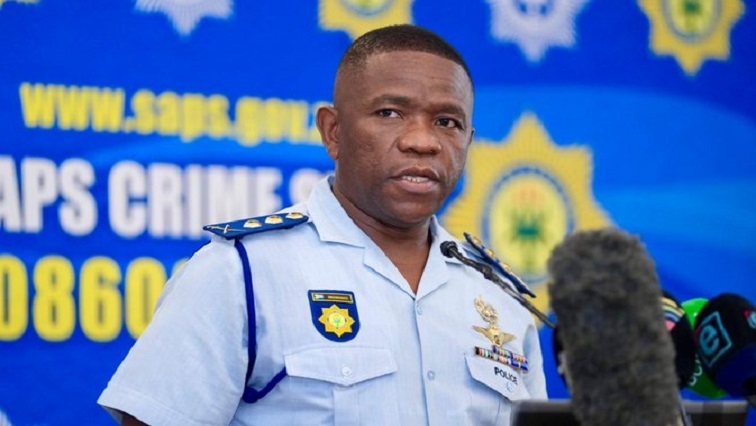
The Judicial Commission of Inquiry into Criminality, Political Interference and Corruption in the Criminal Justice System, the Madlanga Commission, will resume public hearings on 26 January, entering a crucial second phase that will see implicated officials respond to damning allegations, the commission’s spokesperson announced this week.
The commission delivered its interim report to President Cyril Ramaphosa on 17 December, three months after its first hearing in September last year. The President however stated that the findings of the interim report will not at this stage be made public.
Background to the inquiry
The commission was established to investigate serious allegations of criminal conduct, political interference and corruption within South Africa’s criminal justice system. The inquiry was prompted by explosive claims made by Lieutenant-General Nhlanhla Mkhwanazi regarding systemic misconduct and interference in law enforcement operations.
The commission’s work has been marred by tragedy and controversy following the assassination of a key witness. Marius van der Merwe, who testified before the commission as Witness D, was killed in circumstances that have raised serious concerns about witness protection and intimidation. His death has cast a chilling shadow over the inquiry and highlighted the dangers faced by those willing to expose corruption within the criminal justice system.
Key testimony so far
Phase One of the commission focused on establishing the factual foundation for Mkhwanazi’s allegations. The commission heard evidence from numerous witnesses who corroborated or substantiated the lieutenant-general’s claims about criminality and political interference within the criminal justice system.
Among the most significant testimony was that of controversial businessman Cat Matlala, who is allegedly at the centre of a widespread bribery network involving senior South African Police Service (SAPS) members and government officials. Matlala’s evidence detailed alleged schemes to secure lucrative government tenders through corrupt payments to law enforcement and public sector officials.
ALSO READ: Breakthrough in Madlanga whistleblower murder: Getaway vehicle found, three suspects identified
The testimony painted a disturbing picture of systemic corruption, with witnesses describing how criminal networks allegedly operated with impunity due to protection from within the criminal justice system itself. However, this evidence has not yet been subjected to rigorous cross-examination.
What lies ahead
According to commission spokesperson Jeremy Michaels, dozens of witnesses are scheduled to appear over the coming months. Phase Two will provide those implicated in the first phase an opportunity to respond to allegations and present their own evidence. The phase will also address additional issues falling within the commission’s terms of reference that were not covered initially.
Phase Three will see Mkhwanazi and supporting witnesses recalled for cross-examination, giving them an opportunity to respond to any counter-evidence presented during Phase Two.
The commission’s evidence leaders, investigators and support staff have been working throughout the recess period to prepare for the hearings.
Members of the public with relevant information can contact the commission confidentially at 0800 111 369 or via email at madlangacommission@behonest.co.za.
ALSO READ: ‘I couldn’t keep quiet’: Police chief Mkhwanazi after explosive police corruption allegations