
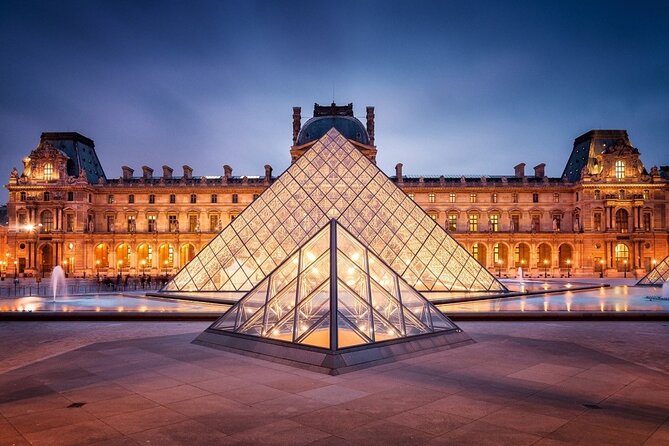
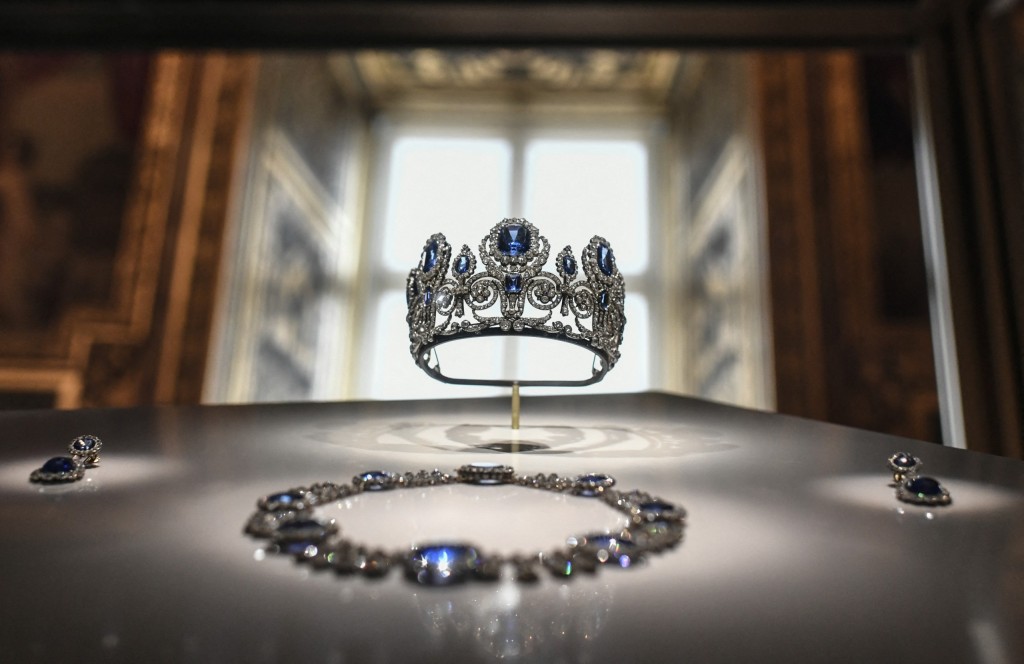
PARIS, France – The thieves who stole crown jewels worth $102 million (about R 1.8 billion) from the Louvre Museum in October escaped capture by a mere 30 seconds due to catastrophic security failures, a damning government investigation revealed Wednesday.
The probe, ordered by France’s culture ministry following the embarrassing daylight heist on 19 October, exposed a cascade of preventable security breakdowns at the world’s most-visited museum that enabled four intruders to carry out their audacious 10-minute robbery.
Critical security failures
Only one of two security cameras was functioning near the break-in point where thieves used angle grinders to cut through glass doors, investigators found. The security control room lacked sufficient monitors to track real-time footage, while poor coordination initially sent police to the wrong location when alarms sounded.
“Give or take 30 seconds, the Securitas guards or the police officers in a car could have prevented the thieves from escaping,” investigation head Noel Corbin told senators at a French Senate Culture Commission hearing.
The robbers targeted the Apollo Gallery’s riverside balcony, accessing it with an extendable ladder before escaping on high-powered motorcycles. Police believe they have arrested all four suspects, though the stolen crown jewels remain missing.
Ignored warnings
Perhaps most damaging was the revelation that security vulnerabilities had been identified years earlier but never addressed. A 2019 audit by jewellery experts at Van Cleef & Arpels specifically warned that the riverside balcony was a weak point easily accessible by ladder – exactly the method used in the heist.
Current Louvre director Laurence des Cars was reportedly unaware of this critical audit, which was commissioned by her predecessor Jean-Luc Martinez.
“The recommendations were not acted on and they would have enabled us to avoid this robbery,” Corbin said, citing a lack of coordination between the government-appointed administrators.
Mounting pressure
The findings pile additional pressure on des Cars, the first woman to lead the prestigious institution since her appointment by President Emmanuel Macron in 2021. She faces questioning by senators next week alongside Martinez as part of ongoing parliamentary inquiries.
Laurent Lafon, head of the Senate Culture Commission, called the investigation results evidence of “an overall failure of the museum, as well as its supervisory authority, to address security issues.”
Senior police advisor Guy Tubiana expressed shock at the scope of institutional failures. “There was a succession of malfunctions that led to catastrophe, but I never would have thought the Louvre could have so many malfunctions,” he told senators.
Additional challenges
France’s state auditor previously criticized the museum for conducting security upgrades at a “woefully inadequate pace” while prioritizing “high-profile and attractive operations” over protection measures.
The museum faces additional challenges beyond security concerns. Staff plan a strike Monday protesting understaffing and overcrowding issues affecting the institution that welcomed 8.7 million visitors last year. A recent water leak also damaged 300-400 historical documents in the Egyptian department.
The October heist has raised fundamental questions about security protocols at one of France’s most treasured cultural institutions and sparked calls for comprehensive reforms to prevent future breaches.
ALSO READ: Two arrested in connection with daring Louvre jewellery heist


You must be logged in to post a comment.