
Despite a landmark African Union moratorium on the commercial slaughter of donkeys for their skins, South Africa continues to legally kill up to 10 500 donkeys annually, and a shocking abattoir inspection in April 2026 has reignited calls for a full domestic ban.
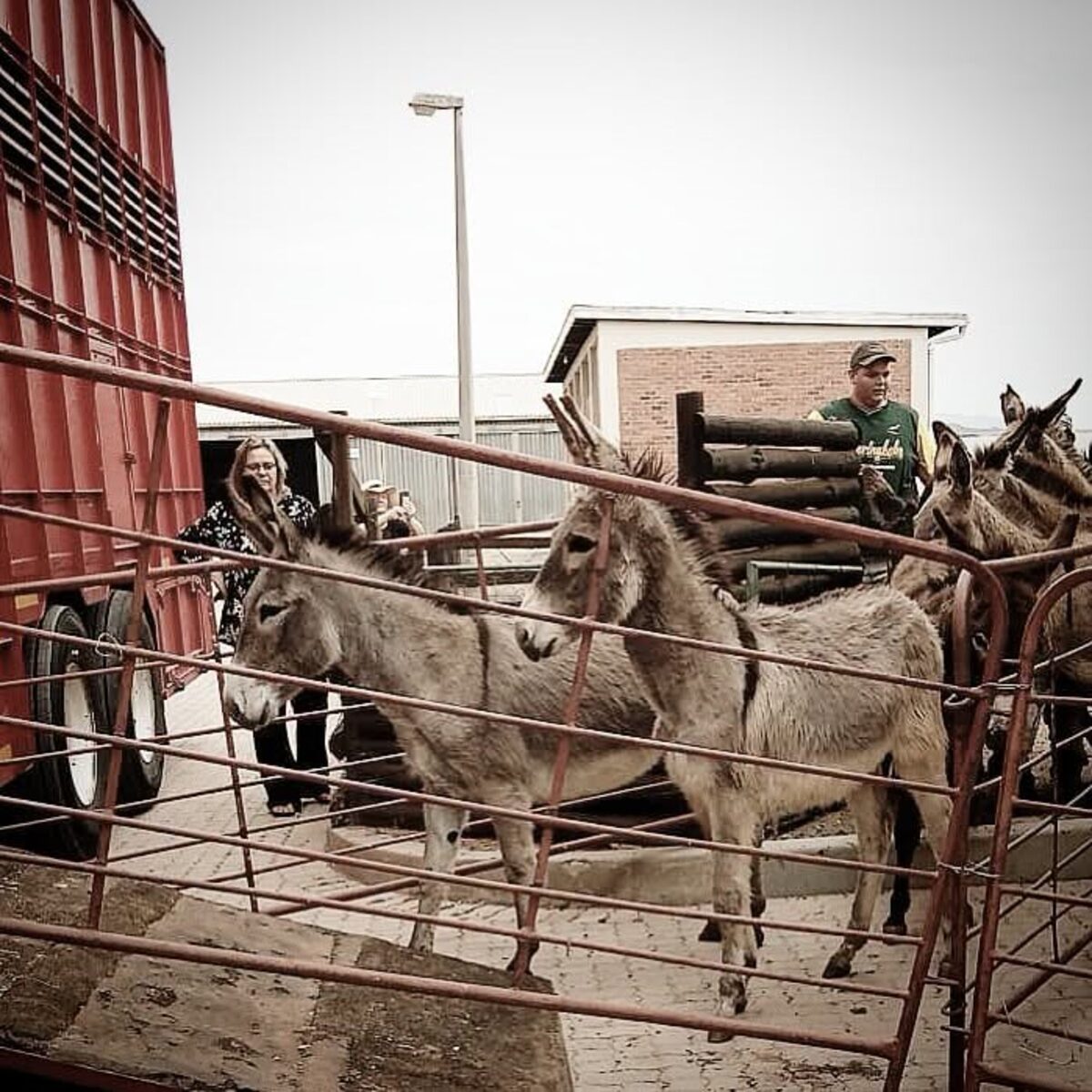
In April, an equine inspector conducting a routine visit to an abattoir in Schweizer-Reneke, North West Province, discovered nearly 180 donkeys in severe distress, many unable to stand.
“It was supposed to be a routine inspection at a donkey abattoir, but it turned into a case of severe suffering and cruelty,” the NSPCA wrote in a Facebook post dated 15 April 2026.
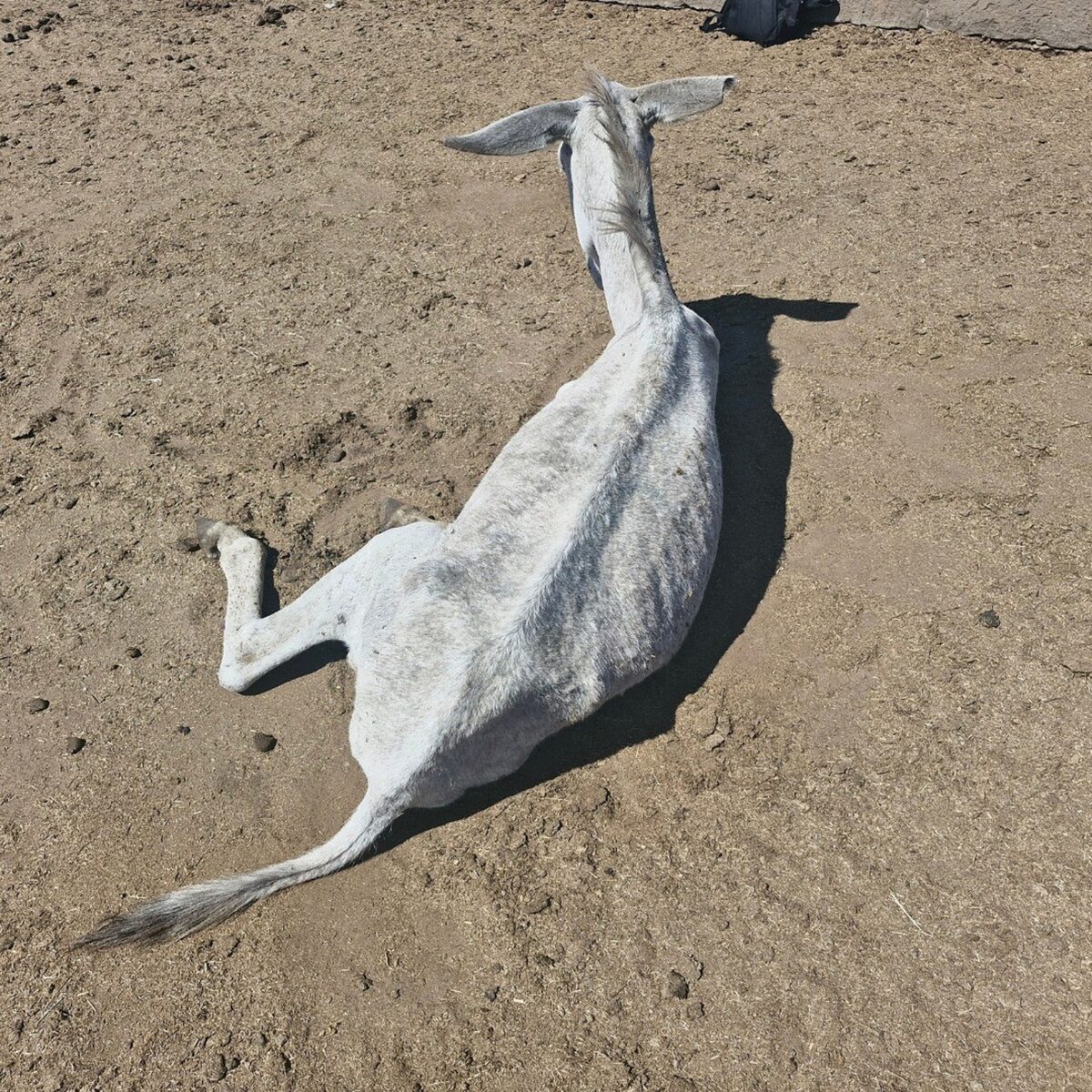
He was shocked by what he saw when he got there. There was little food and no feeding schedule for close to 180 donkeys. Many of the donkeys waiting to be slaughtered were unable to stand. They were in terrible condition, thin, injured, and covered in parasites.
“When asked why she hadn’t treated the parasites, the manager replied that the withdrawal period would take too long, thus creating a delay to their scheduled slaughter date. Our Inspector had no choice but to humanely euthanise suffering donkeys.”
The remaining 175 donkeys were subsequently legally slaughtered.
The NSPCA further noted that the abattoir has a documented pattern of welfare failures. “Sadly, donkeys are regularly sent to this abattoir from across the country. A few weeks ago, the local SPCA stopped a vehicle transporting donkeys to the same abattoir because some of the animals in the truck were being trampled.
“Three donkeys had to be humanely euthanised to end their immediate suffering. The slaughtering of donkeys is not illegal, but animal cruelty is. Our inspector has compiled a criminal docket against both the owner and manager of the abattoir for allowing these gentle animals to suffer unnecessarily,” the NSPCA stated.
A ban that wasn’t
The African Union adopted a 15-year continental moratorium on the commercial slaughter of donkeys for their skins in February 2024. However, the decision required individual member states to incorporate the prohibition into their own national legislation, a step South Africa did not take.
Instead, according to leading animal welfare charity Brooke UK, South Africa elected to adopt a “controlled export model”, permitting the legal slaughter of 10 500 donkeys for their skins per year. Brooke UK’s full findings are detailed in their donkey skins report.
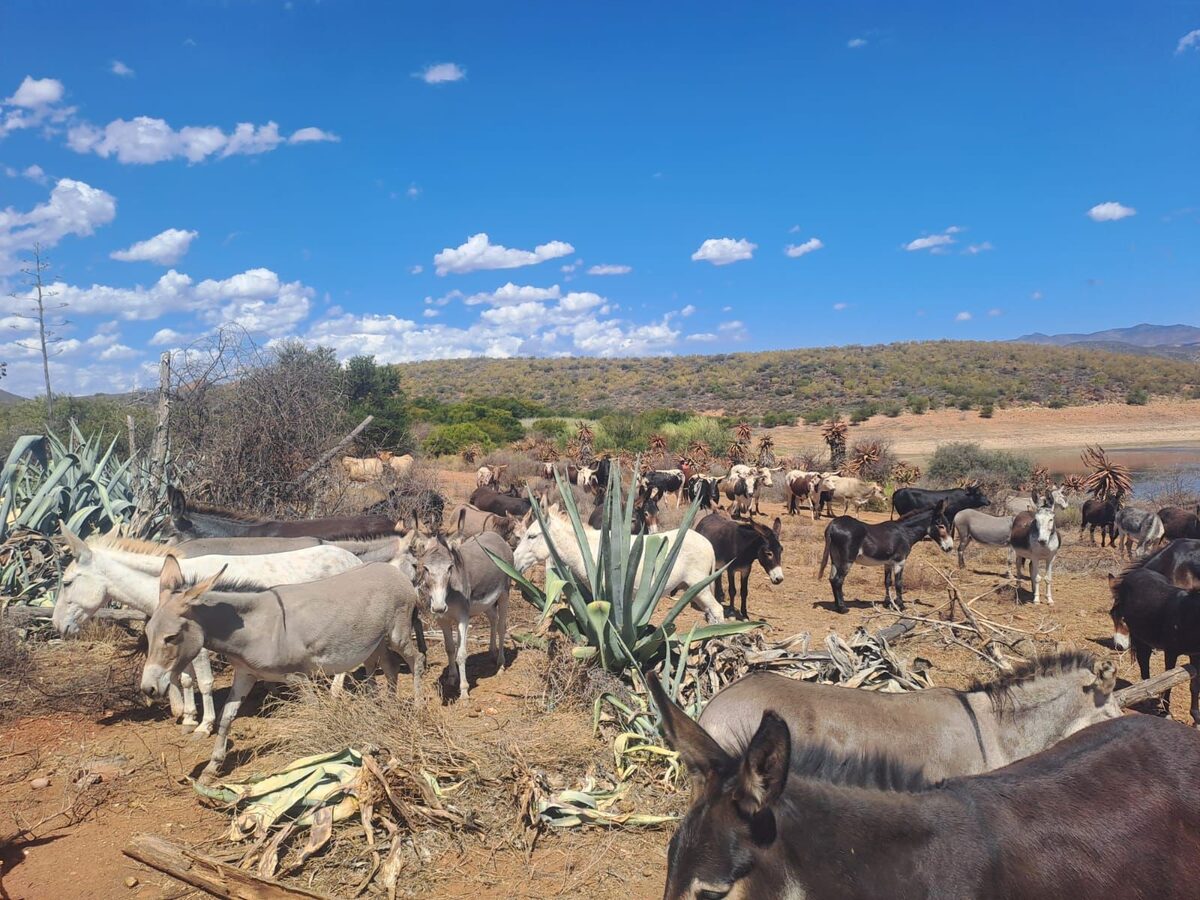
Animal welfare advocates say the country’s legal framework is fundamentally inadequate. “The existing regulatory framework does not protect our donkeys,” says Jonno Sherwin, founder of Karoo Donkey Sanctuary.
“South Africa has traditionally regulated, rather than banned, the trade. A system of legal export quotas has previously allowed limited commercial activity. Donkeys may only be slaughtered at registered equine abattoirs, of which there are very few in the country. A key gap is the absence of legislation specifically targeting the donkey skin trade,” he says.
Instead, according to Sherwin, authorities rely on broader laws such as the Animals Protection Act 71 of 1962 to address cases of cruelty or illegal slaughter, which can limit enforcement effectiveness.
READ ALSO: Karoo Donkey Sanctuary survives threat of closure
Underground trade and cross-border trafficking
According to Sherwin, efforts to regulate the trade have often had unintended consequences. “Restrictions have pushed parts of the industry underground, contributing to increased donkey theft and illegal ‘bush’ slaughter,” he says.
“South Africa is also affected by cross-border dynamics. It is frequently used as a transit point for donkey skins smuggled from neighbouring countries, particularly Lesotho, where the trade has been especially severe. Enforcement is further constrained by limited resources and the overlap with other forms of organised crime, including wildlife trafficking, making detection and prosecution difficult.”
According to him, the trade is largely fuelled by demand from China, where donkey hides are used to produce ejiao, a traditional medicinal product. The high market value of donkey skins creates a strong financial incentive, encouraging both legal and illegal activity despite regulatory controls.
Advocates push for full ban
While the AU moratorium has been widely described as a significant milestone, local animal welfare organisations are intensifying pressure on the South African government to move beyond a controlled model. The campaign is being driven by Karoo Donkey Sanctuary founder Jonno Sherwin; the Senior Equine Welfare Inspector of Highveld Horse Care Unit, Ashley Ness; Director of Ban Animal Trading, Dr Smaragda Louw; Cape Animal Welfare Forum Chairperson Karen de Klerk; and Greyton Farm Animal Sanctuary founder and director Nicola Vernon.
“Donkeys play a vital role in the livelihoods of many communities, yet they remain highly vulnerable to exploitation and harm,” said Sherwin. “The African Union’s recent commitment to safeguarding these animals marks an important step forward in safeguarding the species, and it is essential that we align with and support this initiative at a national level.”
Advocates urge the public to sign the petition at www.change.org/stopdonkeyslaughterSA, demanding of John Steenhuisen, Minister of Agriculture in South Africa to follow the example set by the African Union in taking decisive action to protect our donkeys.