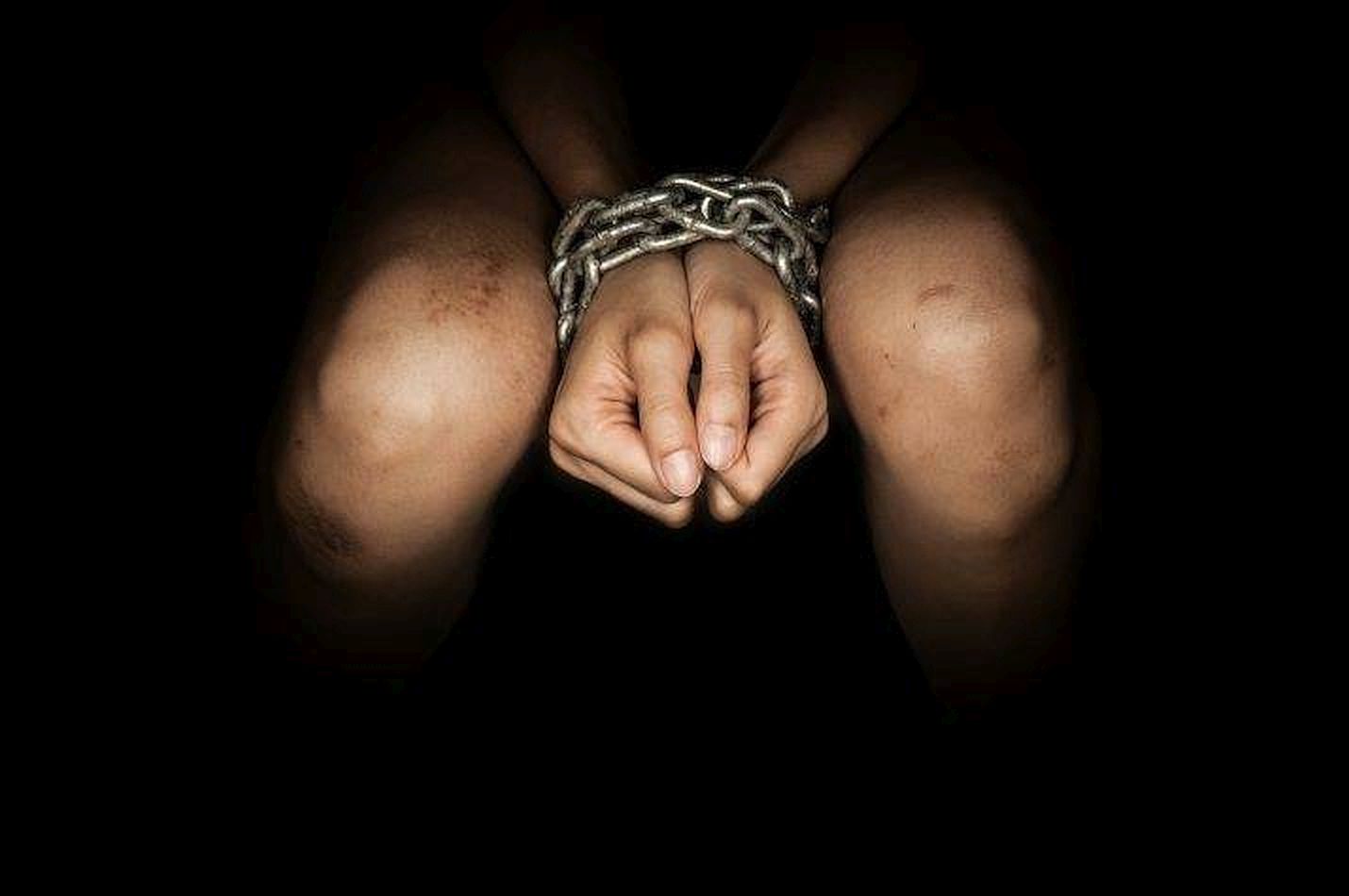
Labour exploitation in South Africa was brought into sharp relief on Monday, 9 September, when the South Gauteng High Court sentenced seven Chinese nationals to 20 years in prison each. They were convicted of human trafficking, forced labour, and serious labour law violations, following a 2019 raid on an illegal factory in Village Deep, Johannesburg. Authorities found dozens of undocumented Malawian nationals, including children, locked inside and forced to work under horrific conditions.
ALSO READ: 7 Chinese nationals sentenced to 20 years each for human trafficking
“Blatant violations of core labour laws”
According to Paula Phukuje, Employment Law Associate at Fairbridges Wertheim Becker Attorneys and member of TerraLex, this case revealed some of the worst examples of labour exploitation in South Africa. Workers were forced into 11‑hour shifts, seven days a week , far exceeding the legal maximum of 45 hours per week under the Basic Conditions of Employment Act.
Unsafe, unregistered, unprotected
Beyond wage theft and overwork, the factory was completely unsafe. Under the Occupational Health and Safety Act, employers must ensure a safe environment , training, protective gear, and machinery maintenance are part of that duty. Victims in this case suffered life‑changing injuries, including loss of sight and limbs.
The employer also failed to register workers for UIF (Unemployment Insurance Fund) or under COIDA (Compensation for Occupational Injuries and Diseases Act), stripping them of protection in the case of unemployment or injury. (labour.gov.za)
“Pleading ignorance? not a defence”
Could the employer claim ignorance of the workers’ undocumented status? Phukuje argues no.
“Not when the entire business model was built on exploitation. The locked doors, lack of payslips, and forced tuckshop purchases show the employer knew exactly what was happening.”
Even undocumented workers retain legal protections under South African law. Their status does not relieve employers of obligations under labour legislation. This is an important principle when discussing labour exploitation in South Africa.
Child labour amplified the offence
Children were among the factory workers, which drastically elevated the seriousness of the charges. Employing children under 15 in dangerous or forced labour is a criminal offence under the BCEA, the Constitution, and international treaties. (westerncape.gov.za)
Systemic violations worsen sentencing
Phukuje confirms that the repeated, systemic nature of the abuses , working excessive hours, wage theft, injuries, employing children , pushed the court to give real prison time. These were not isolated incidents but part of a pattern of dangerous exploitation.
Do victims have legal recourse?
Yes. Despite their undocumented status, victims have several legal paths
- CCMA claims for unpaid wages (Commission for Conciliation, Mediation and Arbitration)
- UIF benefits for short‑term unemployment, if properly registered.
- COIDA benefits for workplace injuries
- Compliance orders from labour inspectors
Internal coordination among law enforcement, labour inspectors, and NGOs is crucial so victims feel safe coming forward.
Enforcement tools exist, but are under‑used
South Africa’s labour enforcement framework is strong on paper. Labour inspectors have the power to enter premises, seize records, issue compliance notices, and refer criminal cases.
This case was brought about by a multi‑agency task force including the South African Police Service (SAPS), Home Affairs, and the Department of Employment and Labour. It’s an example of what can happen when agencies work together.
A harsh but necessary sentence
The 20‑year prison sentences mark one of the strongest rulings in recent memory in addressing labour exploitation in South Africa, especially given the scale, gravity, and vulnerability of the victims. For legal experts like Paula Phukuje, this is more than law enforcement,it is a matter of dignity, safety, and justice.