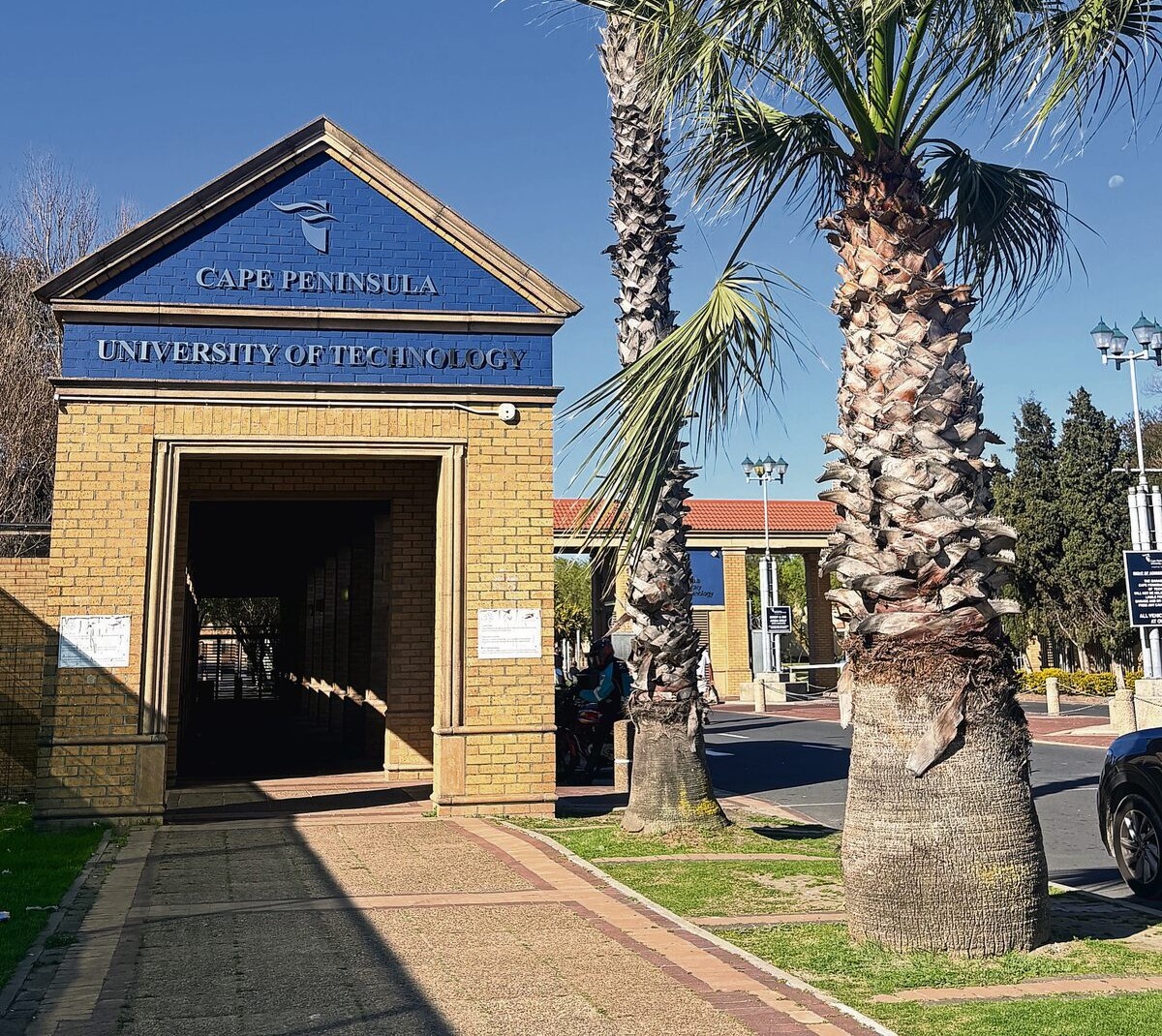
The Labour Court of South Africa has ordered the Cape Peninsula University of Technology (CPUT) to pay nearly R500,000 in compensation to a former administrator after ruling that her dismissal for ill-health was substantively unfair.
In a judgment delivered on 8 July Judge M. Makhura found that the university failed to properly investigate alternatives to dismissal, specifically medical boarding, for Ferose Samaai, an employee of 27 years who suffered from severe psychological and physical health challenges.
Samaai, who was supported in her legal challenge by the trade union Solidarity, began her career at CPUT in May 1996. By 2018, she had been diagnosed with anxiety and depression, conditions later compounded by the amputation of a finger in 2021 and wrist surgery in 2023.
The university initiated an incapacity enquiry in June 2023, citing her inability to meet performance standards and frequent absenteeism. Samaai was summarily dismissed on 5 July 2023. While a CCMA commissioner initially found the dismissal procedurally unfair but substantively fair, Judge Makhura set that decision aside, ruling that the university’s actions were legally indefensible.
A central pillar of the court’s ruling was CPUT’s failure to provide “reasonable accommodation” during the relevant period of Samaai’s incapacity. The university argued it had already accommodated her through various department transfers between 2015 and 2018.
However, Judge Makhura rejected this argument, noting those transfers occurred years before the onset of her major medical issues and were motivated by performance concerns rather than medical necessity. “Reliance on historical transfers predating the incapacity enquiry is insufficient to show compliance with the obligation to accommodate,” the judgment stated.
The court heard that Samaai had repeatedly requested assistance with an application for “medical boarding”, a form of ill-health retirement.
CPUT management, however, refused to facilitate this, with one manager, Ncediwe Qomoyi, testifying that she viewed Samaai’s request as “manipulative conduct”.
Judge Makhura was highly critical of this stance, noting that medical boarding was a “viable and reasonable alternative to dismissal” that CPUT was legally obligated to explore. By refusing to engage with the process, the university deprived the employee of a potential benefit for which the institution was specifically insured.
The judgment also highlighted a “significant disconnect” between CPUT’s stated reason for dismissal (medical incapacity) and the evidence provided by its witnesses. During the proceedings, CPUT staff described Samaai as “lazy,” “unreliable,” and “not wanting to work”.
The Judge noted that the incapacity process appeared to have assumed the character of a disciplinary hearing for poor performance rather than a genuine investigation into her health-related limitations.
Finding the original arbitration award “untenable,” the Court substituted the decision with a finding that the dismissal was substantively unfair. CPUT has been ordered to pay Samaai R497,948.00, equivalent to 11 months’ remuneration, within 15 court days.
This is in addition to one month’s salary previously awarded for procedural unfairness.
ALSO READ: CPUT student’s alleged rape fuels GBV outrage on campus