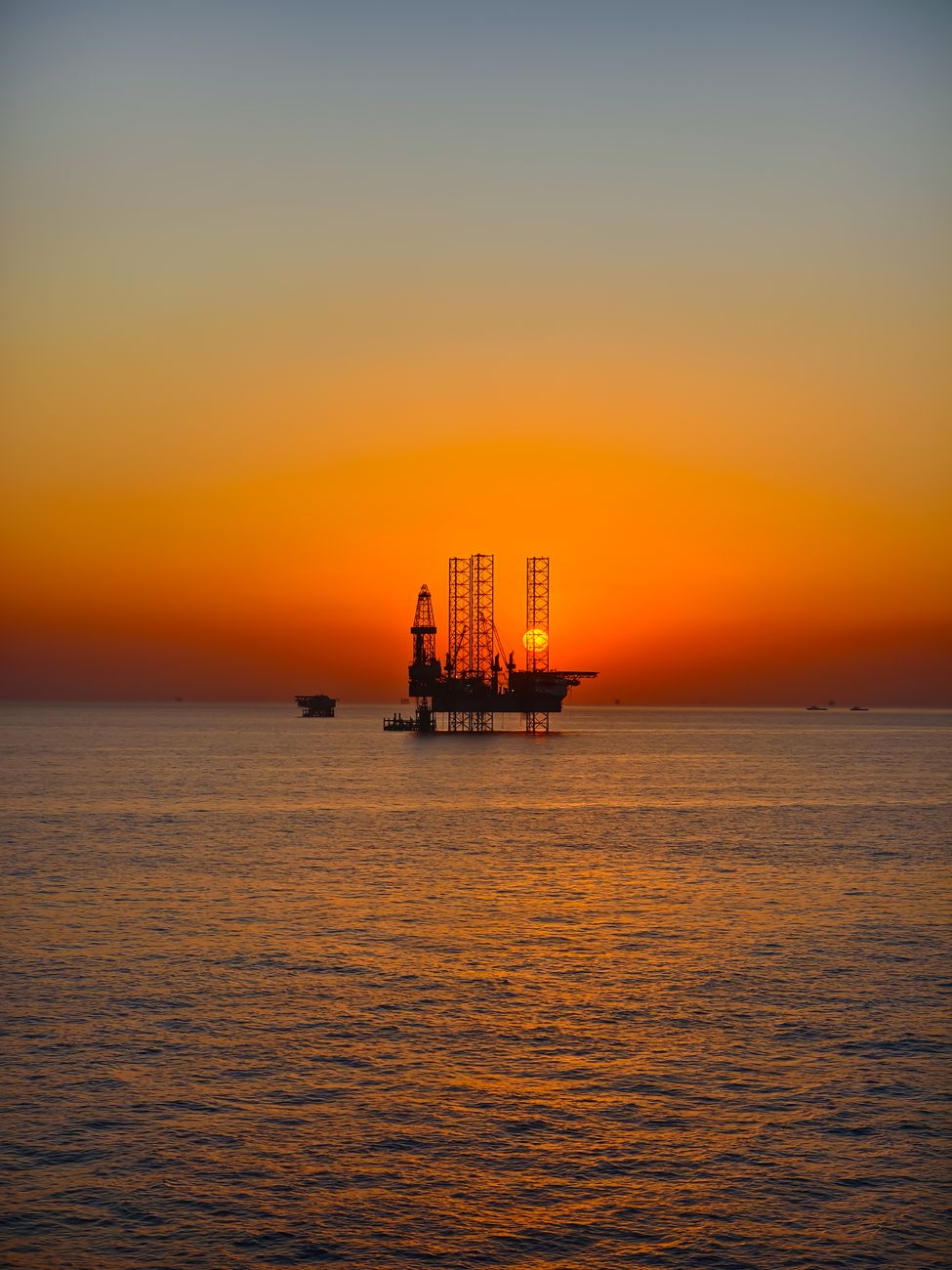
Namibia is pressing on with offshore oil and gas exploration, while neighbouring South Africa is stuck behind environmental objections, court appeals and regulatory delays.
The two countries share the Orange Basin, a vast stretch of the Atlantic where major oil finds have raised hopes of a new energy frontier in southern Africa.
Experts say Namibia controls about 30% of the basin. The rest lies in South African waters.
Namibia moves fast
Companies have drilled more than 25 exploration wells in Namibia’s part of the basin since 2022. South Africa has drilled three since 2014. Magali Pailhe, a managing director at TotalEnergies, gave the figures at an energy conference in Cape Town last month.
The results have drawn oil firms from around seven countries, including France’s TotalEnergies and Chevron of the United States.
“Namibia could become a major oil and gas player,” said energy economist Lungile Mashele. She pointed to Angola and Nigeria, two of Africa’s biggest crude producers, as examples.
Mashele said wells still being appraised have mostly yielded oil. Reported estimates range from 10 to 20 billion barrels.
Namibia has just over 3 million people and is best known for its desert dunes. The finds have raised hopes of an economic shift, with production possible within four years.
“It could experience an oil boom,” energy expert Chris Yelland told AFP.
South Africa’s untapped potential
South Africa’s petroleum agency estimates its offshore waters hold 27 billion barrels of prospective oil. If all of it can be recovered, that equals more than 150 years of current use.
Niall Kramer, spokesperson for the Offshore Petroleum Association of South Africa, told AFP the country has found 10 trillion cubic feet of gas along the coast and onshore. He called that the “tip of the iceberg”.
“If all the potential resources that we reckon could be there are proven – and that will take a while – there is probably 260 trillion cubic feet and that is massive,” he said.
The European Union used about 12 trillion cubic feet of natural gas in 2025, according to EU data.
Tapping the reserves could change the outlook for South Africa, which has 63,5 million people, growth of about 1% and unemployment above 33%.
Court fights slow the process
Namibia placed exploration directly under the Office of the Presidency. South Africa has faced legal challenges and long approval steps.
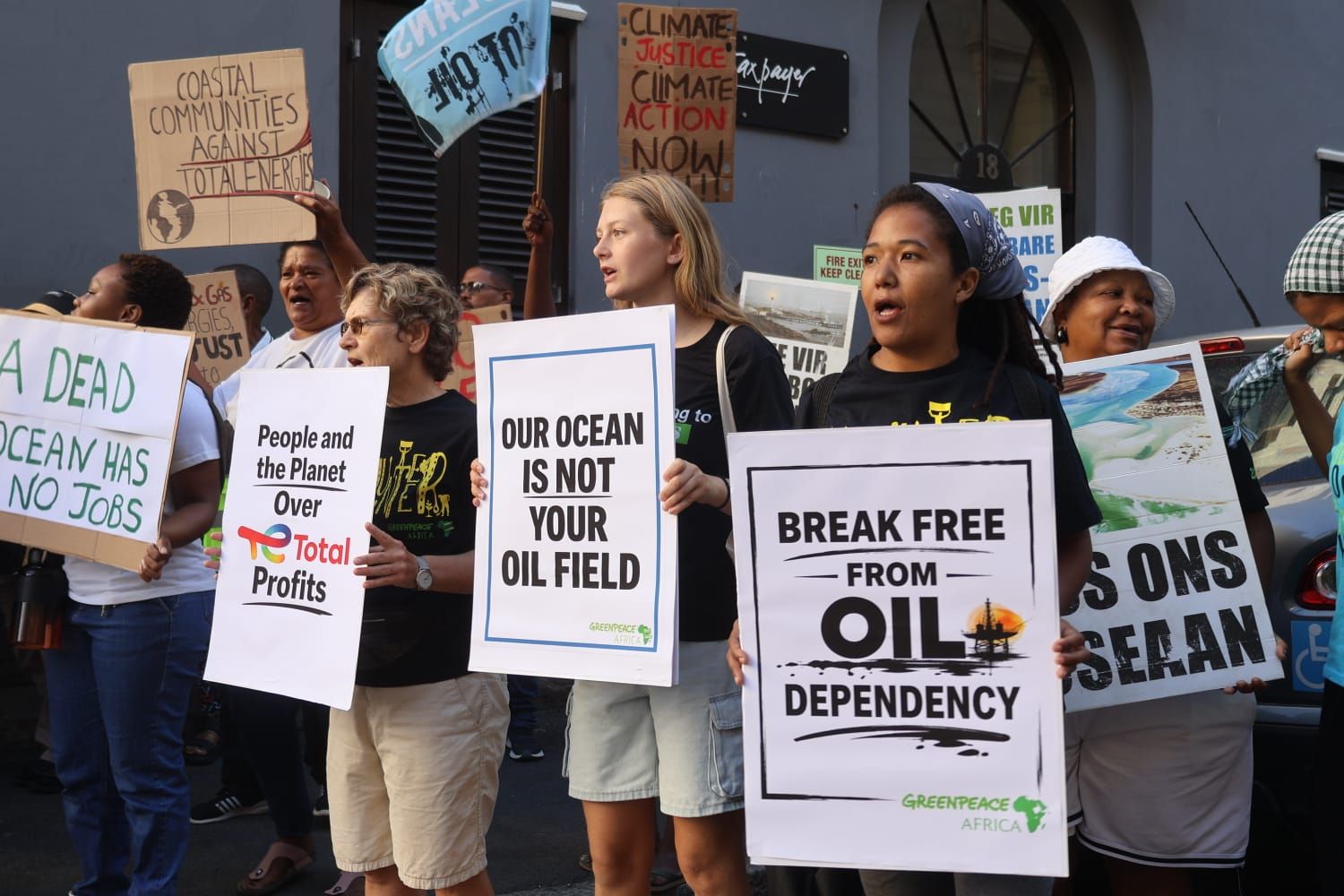
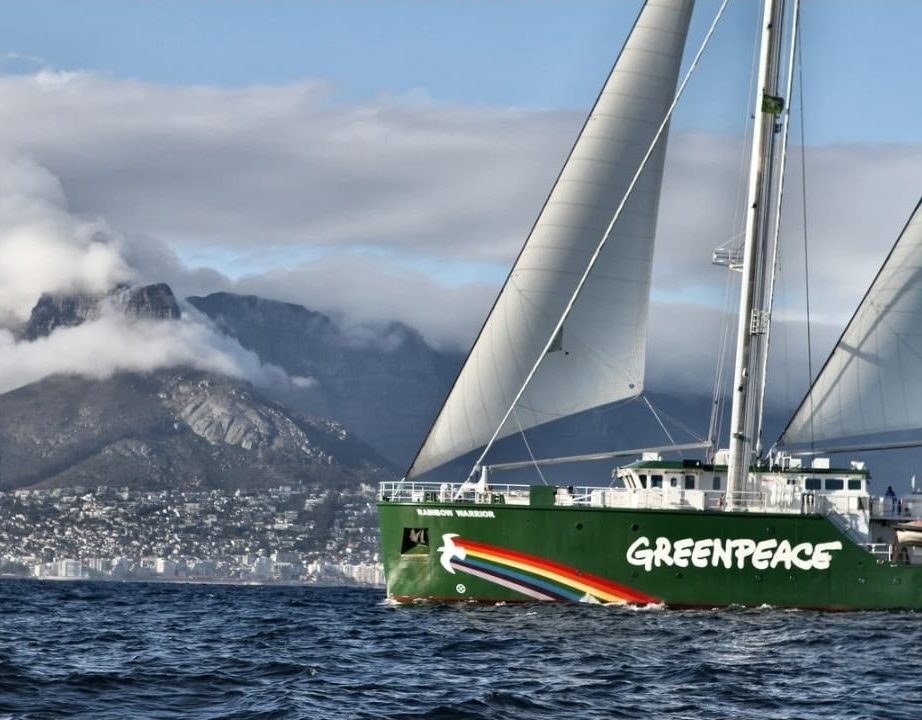
Environmental groups have gone to court to overturn the approval given to TotalEnergies for its Deep Water Orange Basin project. They warn that oil spills would harm marine life and fish stocks. They also say more fossil fuel production undermines South Africa’s green energy pledges.
The Green Connection, an environmental justice group, said small-scale fishing communities could lose jobs and income while they carry the cost of any damage.
“We don’t want oil and gas exploration in our seas,” said Walter Steenkamp, chairperson of the Aukotowa Fisheries Primary Co-operative.
Kramer called the court cases “delay tactics”.
“This could contribute significantly to our energy security. Not to do this is almost an anti-poor, anti-development action,” he said.
Bongani Sayidini, chief executive of the Petroleum Agency, said government needed “favourable outcomes that would enable oil and gas exploration”. The regulator expects the industry to drill 10 new wells by 2030.
Lessons from next door
South Africa’s state-owned National Petroleum Company is looking to Namibia for guidance. Non-executive director Nosizwe Nokwe-Macamo said it would use Namibia’s “success” as a “cheat sheet”. She noted that Namibia drilled so many exploration wells in five years.
“They streamlined processes, they streamlined their focuses,” she told the Cape Town meeting.
Analysts say oil and gas output would lift Namibia’s gross domestic product, pay for infrastructure and create jobs. Unemployment there stands at about 37%.
TotalEnergies runs the Venus and Mopane oil discoveries in Namibia. The company told AFP the Venus project alone could bring in about US$2 billion in local spending over its lifetime and create more than 5 000 jobs.
The French firm has teamed up with Portugal’s Galp on Mopane, which holds at least 10 billion barrels of oil, according to estimates.
ALSO READ: High court reserves judgment on TotalEnergies West Coast drilling case