

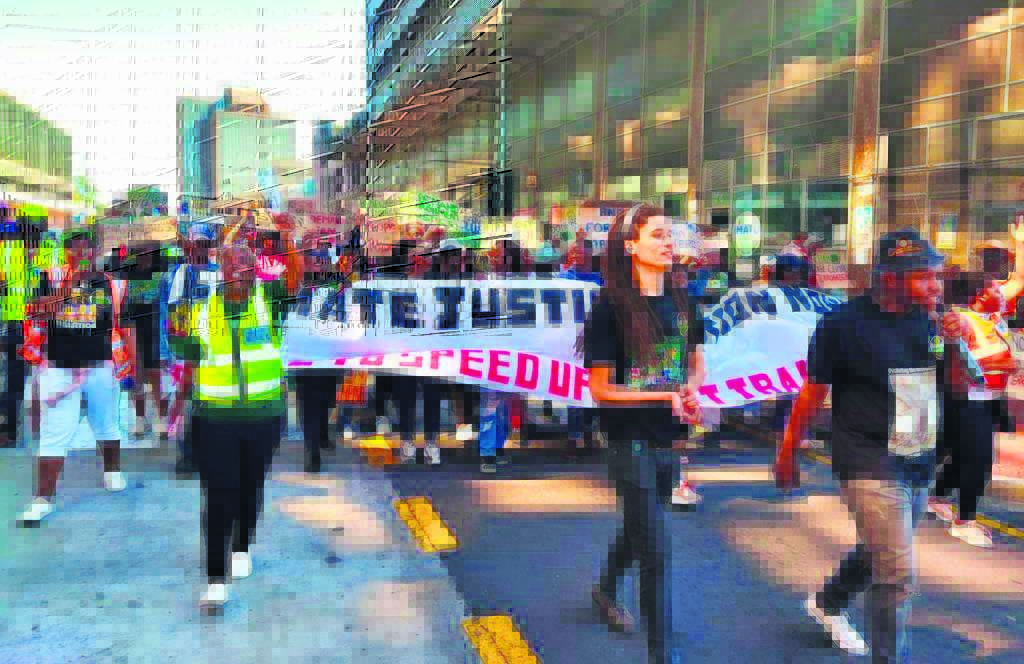
On September 21, approximately 250 people from Kariega, Jeffreys Bay, Humansdorp, Oyster Bay and beyond – a collaboration between Earthlife Africa Johannesburg and the Eastern Cape Combined Environmental Forum – marched to Gqeberha City Hall to bring attention to their deteriorating quality of life, because of severe water-access issues in addition to persistent load shedding.
Affected communities are also calling out government’s poor energy decisions – such as the proposals for offshore oil and gas, Karpowerships, and the possible resurgence of plans for new nuclear in the province, which they believe are not in the public’s interest and will worsen climate change, together with water quality and water drainage problems and other infrastructure issues. Some areas are built on old wetlands; so many houses have structural issues.
“We are here to support communities in the Eastern Cape because the people are suffering. Not only must they deal with load shedding, but they are also dealing with serious issues affecting their access to clean, potable water,” says Earthlife Africa’s Ulrich Steenkamp.

“Because of the deterioration of their natural environment, coupled with the visible impacts of climate change – such as the storm surges and the freak waves that have been hitting the South African coastline – it is critical that the people’s voices are heard. We need decision-makers to use their powers to improve the lives of communities, especially those who are the most heavily impacted, like our country’s fishermen and women. These are people who cannot afford to have industries that could harm the ocean and coastline disrupting their way of life and posing a threat to their means of making a living.”
Small-scale fisher communities, such as those found in Oyster Bay and Jeffrey’s Bay are particularly concerned about extractive projects proposed along the coast of the Eastern Cape. As fishing is the primary economic driver in these small coastal towns, offshore oil and gas exploration may have a negative impact on aquatic life and on the overall health of the ocean, which would affect local livelihoods.
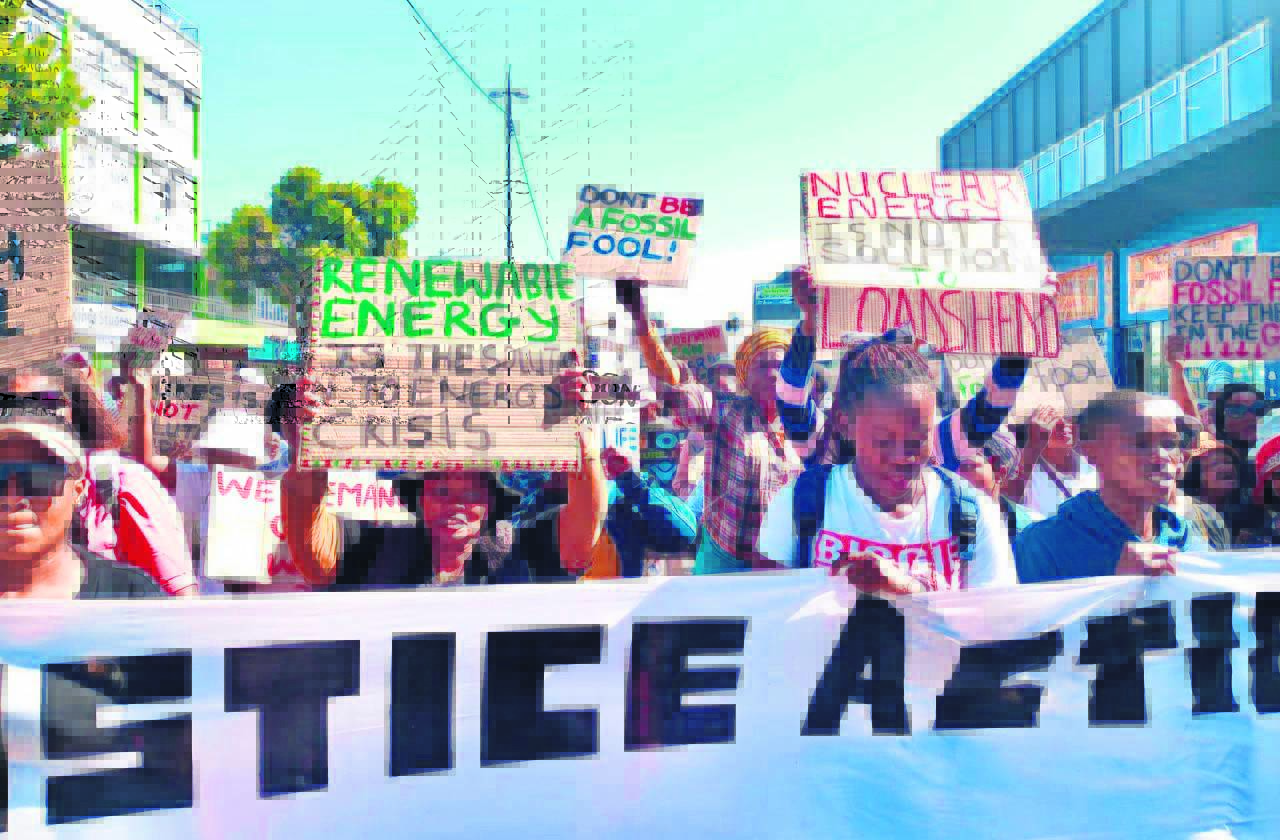
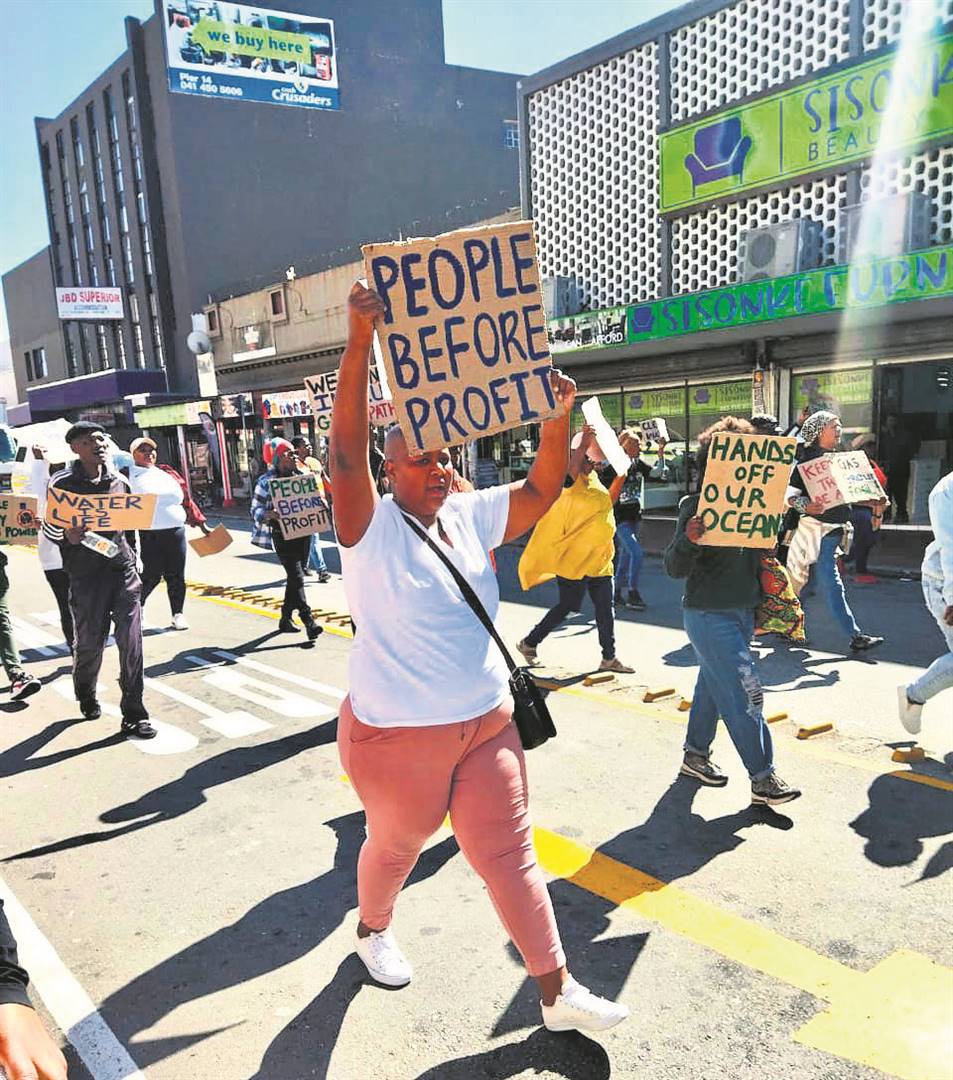
The fishers and coastal communities in the region are also opposing Karpowerships, as there are several concerns regarding the potential negative impact on the sea life and coastal environment. Fishers are worried about the impact these floating power stations will have on their livelihoods. Furthermore, communities are also concerned about the impact to the environment and the local economy, now that there seems to be renewed interest in bringing new nuclear energy to the Eastern Cape.
“As fishermen, we are not happy about the government’s plans for a nuclear power plant near our ocean. We depend on it for our livelihoods. And how will we support our families if they drill our sea for gas and oil? It is not that we are against change, but the change that comes must not take food from our tables. The change that comes, must make our lives better, not worse,” said Phenius Nkatshuka, a fisherman from Jeffreys Bay.