

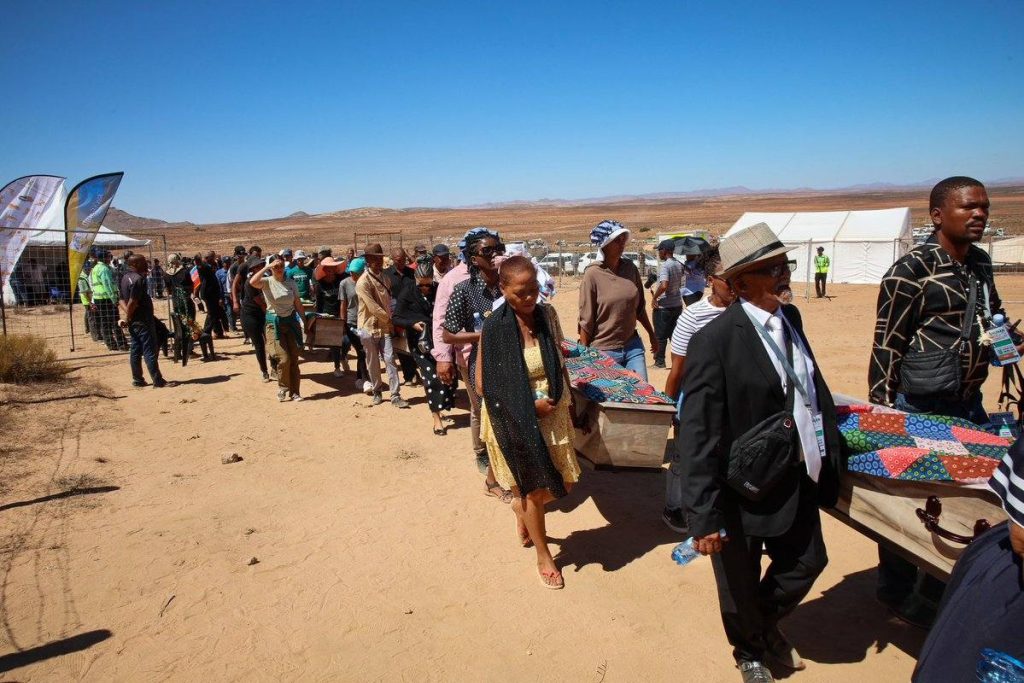
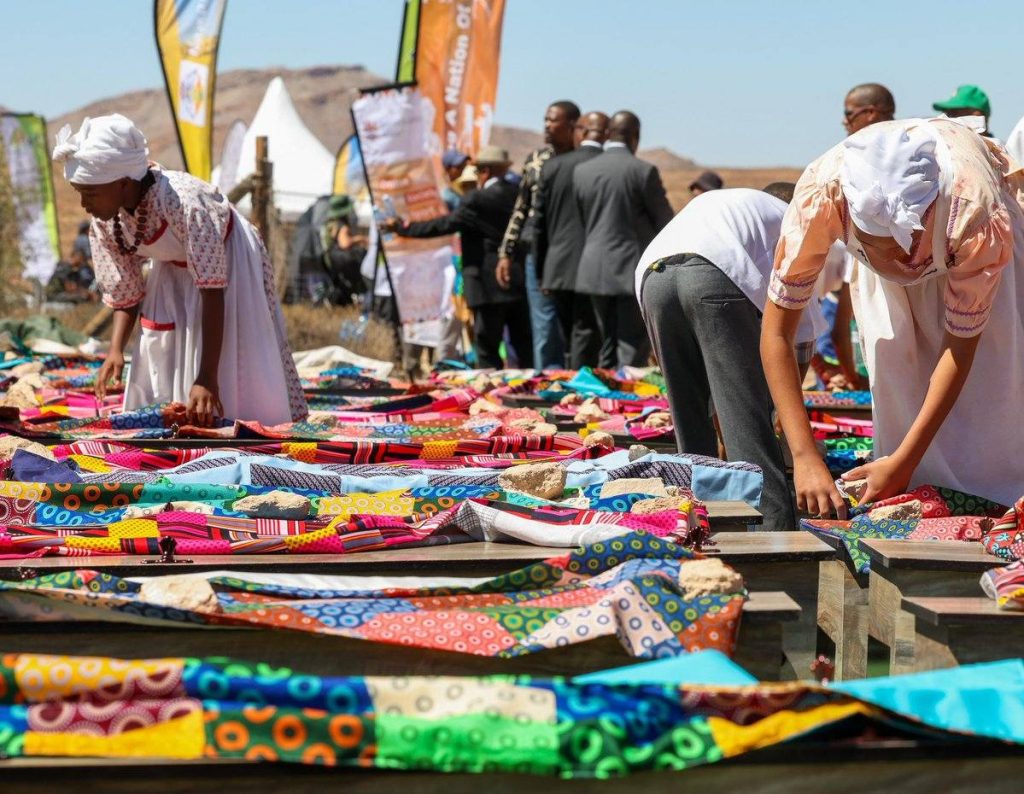
STEINKOPF – The ancestral remains of 63 Khoi and San people were reburied near Steinkopf in the Northern Cape on Monday, despite resistance from local residents who say they were inadequately consulted about the ceremony.
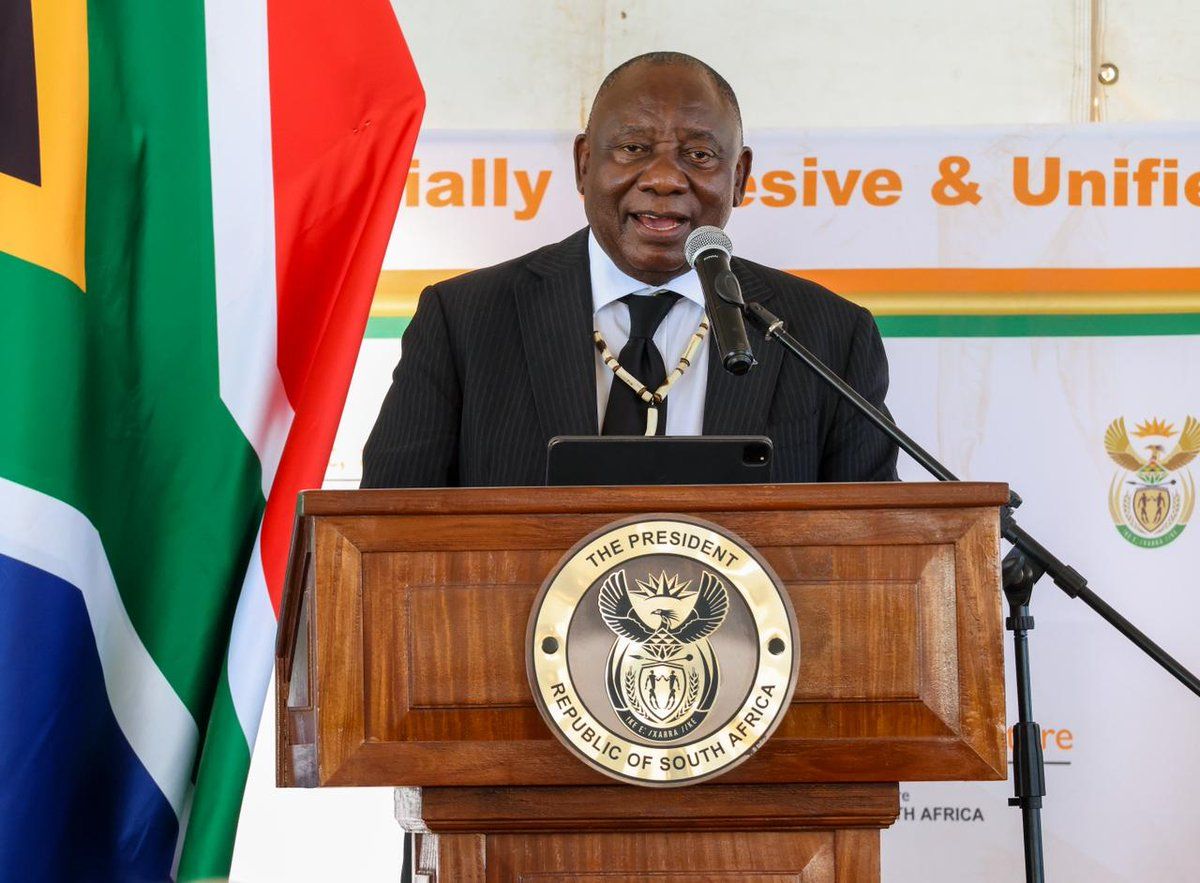
President Cyril Ramaphosa attended the solemn ceremony at the Kinderlê monument, where the remains were laid to rest in individual graves following their repatriation from the University of Glasgow in Scotland last year.
The remains had been housed at the Hunterian Museum and were removed from South Africa between 1868 and 1924 without consent for race-based scientific research by colonial Europeans.
However, Steinkopf residents had called for the reburial to be postponed, arguing that government authorities in the Northern Cape were hijacking arrangements and excluding the community from decision-making processes.
“No reburial of ancestral bones without us, on behalf of us, or for us,” residents said ahead of the ceremony.
Community members raised concerns about insufficient consultation and demanded full participation and oversight of all processes before any reburial proceeded.
Residents also expressed dissatisfaction that an outside contractor with no ties to the KhoiSan or Nama groups was appointed to handle the burial, while local companies were relegated to subcontracting roles.
Local service providers said they felt excluded from meaningful participation in an event of significance to their community.
Despite the opposition, the ceremony proceeded as planned.
“The greatest tragedy of the erasure of the indigenous peoples of southern Africa is that much of it went unacknowledged,” Ramaphosa said at the ceremony.
He said the South African government would not shy away from restoring the dignity of those who were discriminated against and marginalised.
“The return of our ancestors to their descendant communities is a vital act of restoration and restitution that goes beyond acknowledging the colonial legacy; it is also a manifestation of ubuntu – a recognition of our common humanity,” the president said.
Barend van Wyk, chairman of the National Griqua Council, described the pain associated with the illegal removals.
“Emotionally, it’s hard. The fact that they dug up our ancestors’ remains… why did they do that to human beings?” Van Wyk told SAnews.gov.za.
“But we are glad today, although there is pain and hardship, that we can finally reinter them in the land of their birth.”
Dionne Barley, a direct descendant of those whose remains were taken, said she felt happy they were being buried with dignity.
Among those who attended was Ouma Katrina Esau, the last remaining fluent speaker of the critically endangered N|uu language.
The Department of Sport, Arts and Culture and its entities in the South African Heritage Resources Agency and Iziko Museums jointly facilitated the repatriation and reburial process.
Elodie Seotseng Tlhoaele, chairperson of SA Heritage Resources Agency, said the process was about restoring respect and human dignity.
ALSO READ: Swiss town returns century-old sacred artifacts to South Africa
She said the Kinderlê monument site was already hallowed ground, serving as a burial ground for children who were victims of clan wars in 1867 and a heritage site for casualties of war.
The remains are buried in individual graves rather than a mass grave.
“Each grave has been demarcated. That goes back to our insistence on instilling human dignity and respect in whichever state the human being is in,” Seotseng Tlhoaele said.
Ramaphosa said government would continue to implement the National Policy on Repatriation and Restitution of Human Remains and Heritage Objects.
“We will continue to forge partnerships with institutions and individuals across the world to recover ancestral human remains that were illegally taken from South Africa,” he said.
What is the Kinderlê monument?
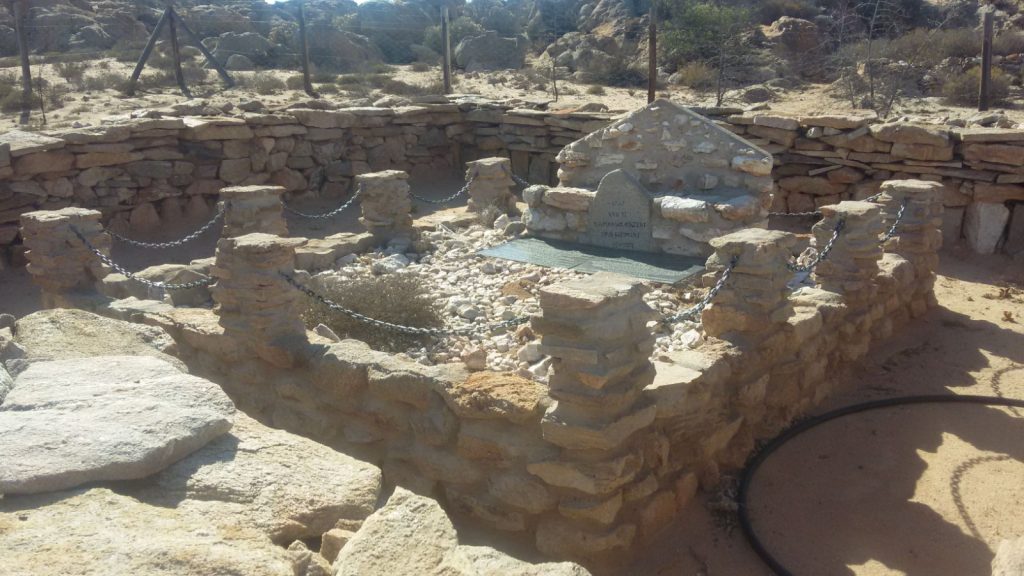
A monument located approximately 20km north of Steinkopf marks what is believed to be the oldest mass grave for children in South Africa, commemorating a tragic massacre that claimed 32 young lives in the mid-1800s.
The incident took place during a period of deep unrest in the Northern Cape, where the Nama people and San inhabited large parts of the region. According to historical accounts passed down through oral tradition, the tragedy occurred on a Sunday when Nama adults attended a church service in Bijzondermeid.
The children, ranging from young toddlers to teenagers, had been left behind to watch over their families’ livestock. During their parents’ absence, they were attacked and killed. The story, preserved through Nama oral history including descendants of Abraham Vigiland, who served as chief of the Nama population during the 1800s, suggests the attack followed an earlier conflict.
According to the tradition, two San workers had slaughtered a horse without permission and were punished with a whip. The massacre of the children is said to have been an act of revenge that followed.
The children were buried in a mass grave marked with a stone. The site was declared a heritage area on 28 June 2003.
The Kinderlê monument comprises ten pillars representing the ten commandments on which Nama traditions are built, as well as the ten families whose children were killed. Chains connect the pillars, symbolising the slavery endured by the Nama people. The gravestone features 32 small stones, each representing one of the children buried there.
ALSO READ: Khoisan community protest for land rights in Strandfontein


You must be logged in to post a comment.