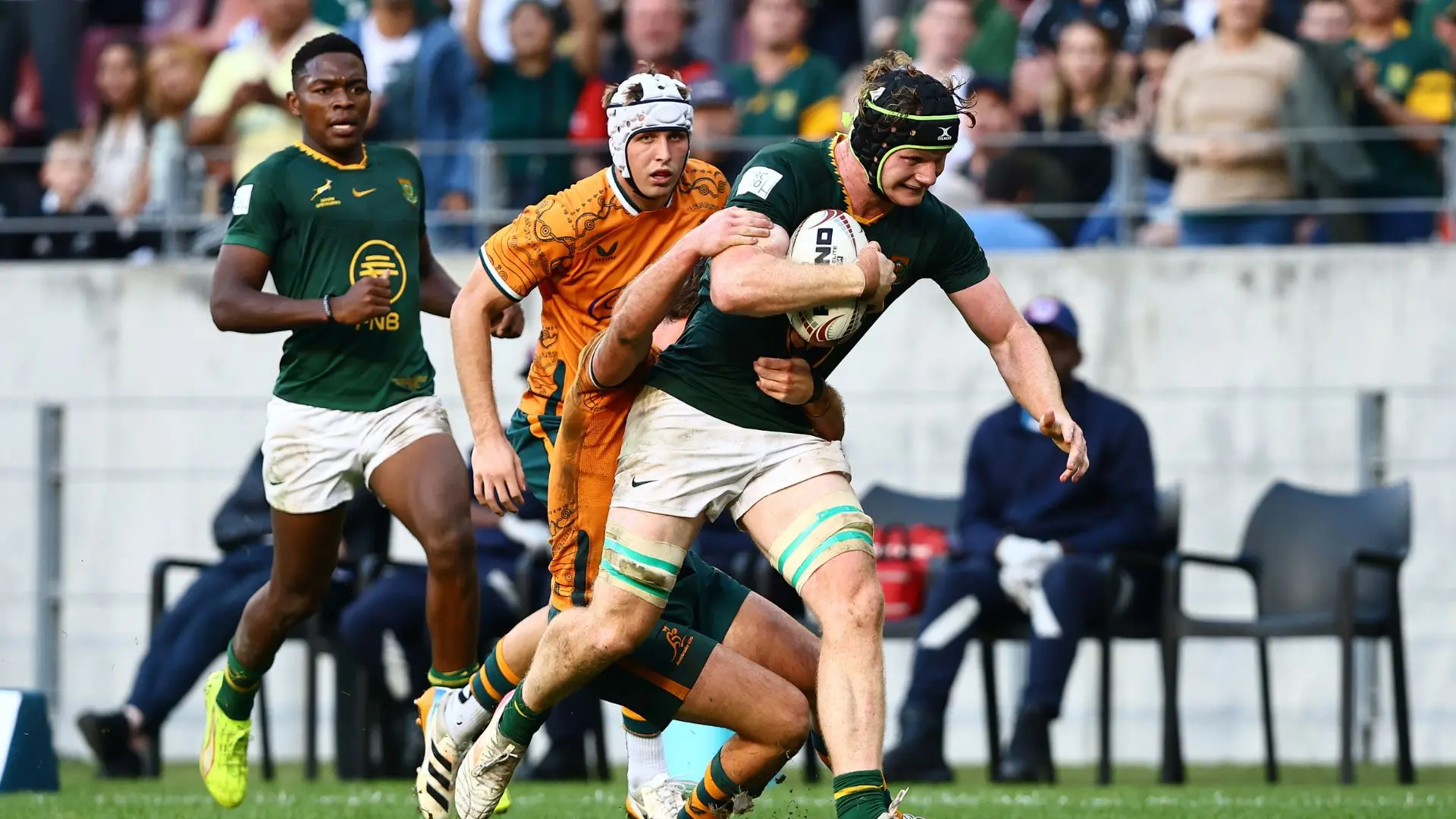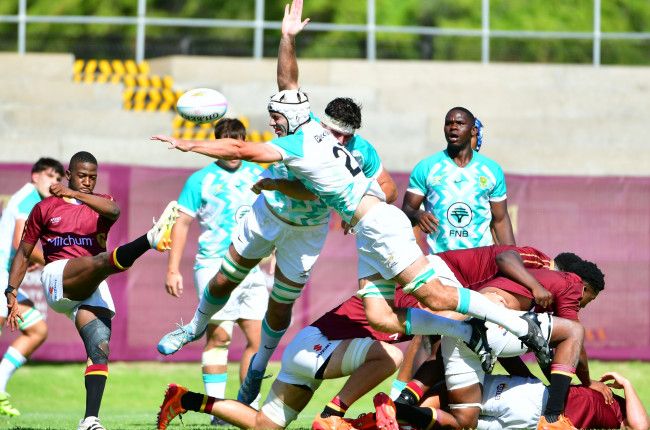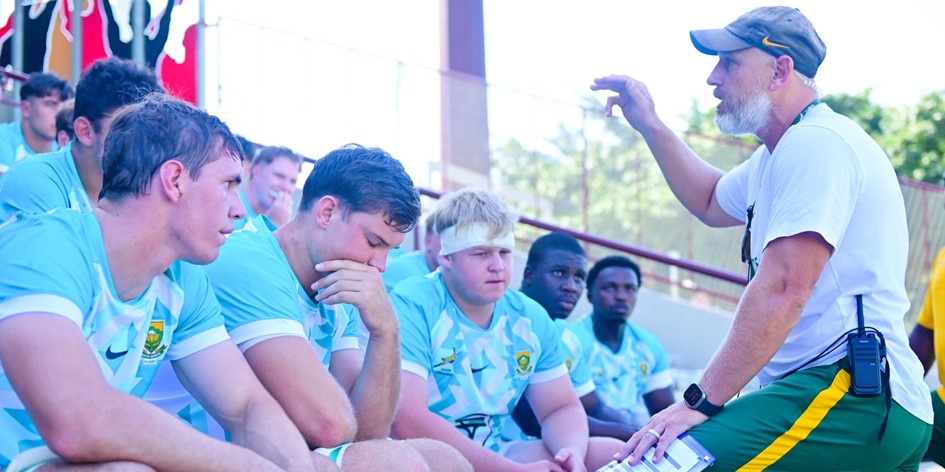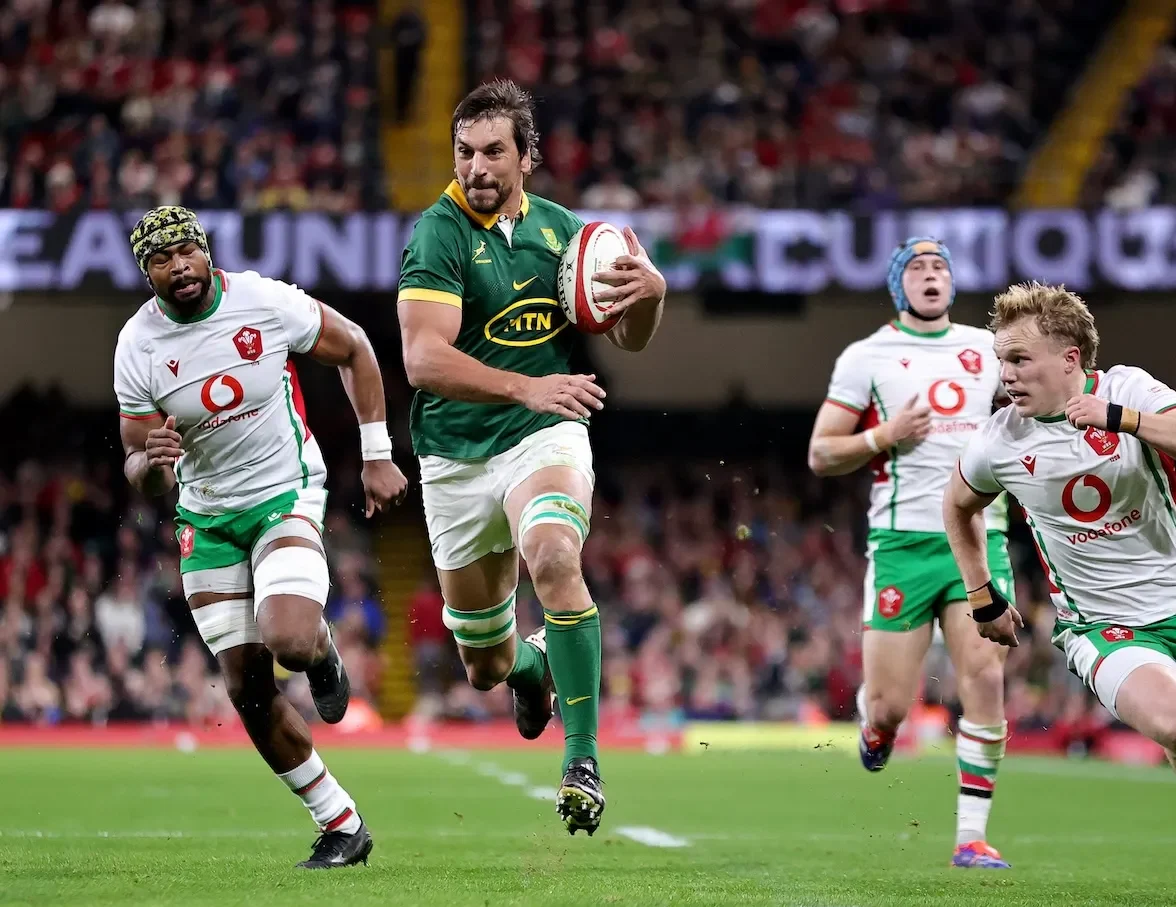
Sometimes the best coaching decisions are the ones that could get you hurt. Kevin Foote discovered this in a Potchefstroom changing room in 2011 when he tore strips off a 19-year-old lock who wasn’t doing his job. That lock’s eyes bulged, his assistant coach feared for Foote’s safety, and Eben Etzebeth proceeded to demolish everything in his path for the next 80 minutes, and the next 14 years.
The story emerged last Friday on the Boks Unpacked podcast.
The tale Kevin Foote told harks back to 2011, when a Varsity Cup match in Potchefstroom became the flashpoint that revealed exactly what kind of monster South African rugby had on its hands.
Would you have had the nerve to lose your temper with a teenage Etzebeth? Foote did. His assistant coach, Dave Wessels, feared the consequences.
Also read: Mystery bet leaves Springbok management completely bald
“I remember Dave saying to me afterwards: you’re very lucky that Eben hasn’t killed you,” Foote revealed, the memory still vivid despite the years that have passed.
Foote now coaches the Junior Springboks, back-to-back world champions in 2025 and 2026. But in early 2011, he was guiding UCT through their maiden Varsity Cup campaign.
The Potch punch-up that demanded a response
UCT travelled to Potchefstroom on 14 February 2011 to face NWU in what promised to be a physical examination. The altitude, the passionate home support, the opposition’s willingness to test your stomach for a proper battle.
By halftime, UCT’s tighthead prop Shane Meier had taken enough punishment. According to Foote, the NWU lock was coming through in every scrum and landing punches with impunity.
Foote’s frustration built throughout the first half. He watched Meier absorb punishment. He watched the opposition lock get away with murder. And he watched his young second-row fail to respond with the kind of controlled violence the situation demanded.
Also read: From Robertson to rampaging: Davids gets his Stormers shot in Paarl
Then, just before halftime, Etzebeth got tackled into touch. Something in Foote snapped.
“I just lost it… Joburg Kev came out, I gave it to him in the halftime speech,” Foote admitted, the understatement barely concealing what must have been a volcanic halftime address.
What happened next became Varsity Cup legend.
“His eyes popped out like this and he just absolutely tore into this team.”
UCT won 36-8. Etzebeth had received the message, loud and clear, and delivered a response that left NWU wondering what the hell had just hit them.
The meteoric rise to Springbok in 20 months
When Jean de Villiers, hosting Boks Unpacked, asked Foote about that 2011 UCT side, the coach laid out a timeline that still seems almost impossible despite happening in full public view.
October 2010: Etzebeth was sitting on the bench for Western Province’s under-19 side. Not starting. Not dominating. Just a promising prospect amongst several others competing for places in age-group rugby.
“He was wild, he was good. Ricky said to me you need to go and chat to this guys,” Foote said.
Early 2011: Etzebeth helped UCT win the Varsity Cup for the first time in the competition’s history, his performances at lock making him impossible to ignore.
June 2011: He started at the Junior World Championship in Italy, having leapfrogged all the provincial locks who had been ahead of him just eight months earlier.
Aslo read: World Cup winner suggests 80% rule for school rugby
“After the Varsity Cup he actually made SA starting lock under-20. So he had jumped those provincial locks,” Foote explained, still sounding slightly amazed at the speed of Etzebeth’s ascent.
9 June 2012: Etzebeth made his Springbok debut against England at Kings Park, Durban. South Africa won 22-17, and the teenage lock who’d been warming a provincial bench 20 months earlier was now wearing the green and gold.
Twenty months. From Western Province under-19 substitute to Test match starter.
Speed, physicality, aggression, in that order
Everyone remembers Etzebeth’s aggression because it’s the easiest quality to see. The snarls, the confrontations, the absolute refusal to back down from anyone, these are the traits that define his public image and make him a nightmare for opposition forwards.
But when Foote assessed what made the teenage Etzebeth special, aggression came third on his list.
“From the get-go we knew he was going to be special. He was so fast as a lock, physical and aggressive. So he was a big reason for us being successful that year.”
Speed came first. For a second-row forward, speed is the rarest and most valuable asset. Any coach can find a tall, physical player to shove in the second row. Finding one who can actually get to rucks quickly, cover ground in defence, and support attacking plays requires genuine athleticism that cannot be coached.
From Varsity Cup to 146 caps and counting
Fast forward 14 years from that Valentine’s Day evening in Potchefstroom. Etzebeth started in Baltimore as the Springboks completed a 3-1 series triumph over New Zealand, earning his 146th Test cap in the process. He’s now South Africa’s most-capped player ever.
The aggression everyone associates with him is still there, he remains the enforcer who sets the tone for Springbok physicality and makes opposition packs think twice about targeting his teammates. But it’s controlled now, channeled into productive violence that wins matches rather than costs them.
The speed Foote identified first among his attributes continues to define his game. At 32, Etzebeth still gets to rucks faster than locks a decade younger, still covers acres of ground in defence, still arrives at attacking breakdowns to keep phases alive.
And the physicality, well, that’s only grown more devastating with experience and strength training that’s transformed him into one of the most imposing physical specimens in world rugby.