The Portuguese prophet is back in the Spanish capital, and this time the stakes are even higher.
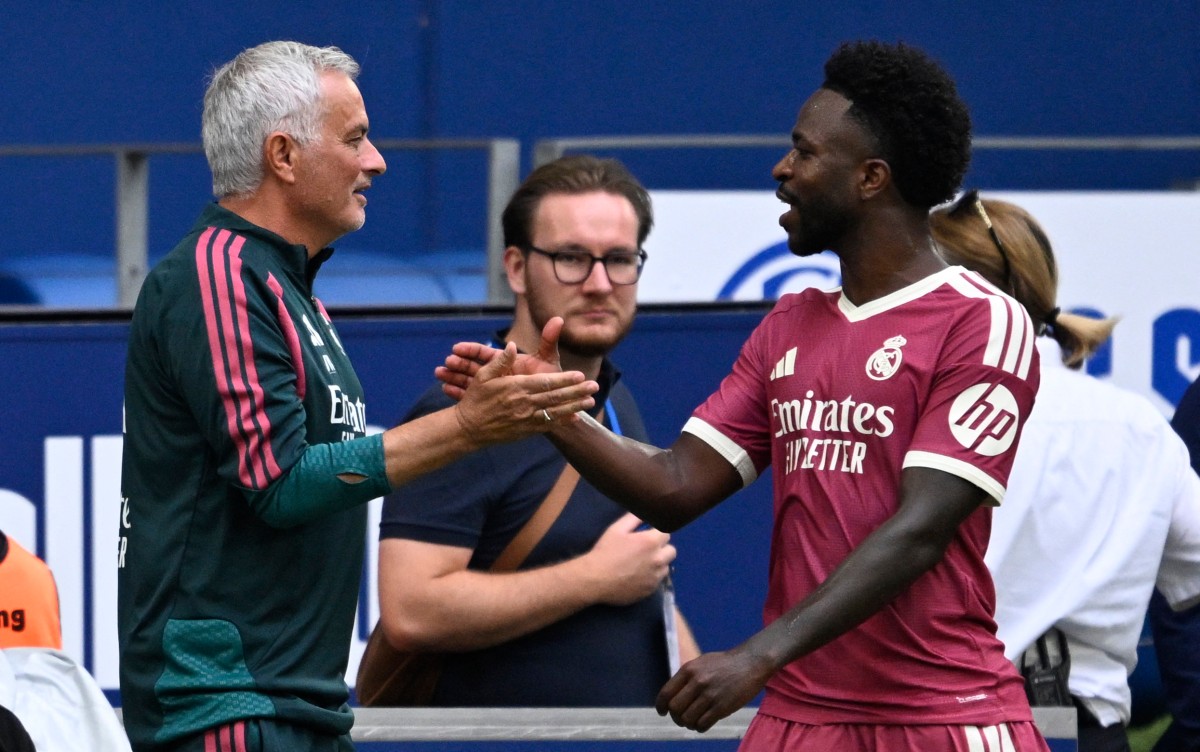
Jose Mourinho’s second spell at Real Madrid begins this weekend in Barcelona, although at Espanyol’s RCDE Stadium rather than against Los Blancos’ bitter rivals at the Camp Nou. But make no mistake, the target remains identical to his first appointment 16 years ago: deposing Barcelona as Spain’s dominant force.
The veteran coach returns to the Bernabeu charged with a mission that extends beyond mere silverware. After two seasons without a major trophy, president Florentino Perez has turned back to the man who delivered La Liga glory with a record 100 points during his first reign from 2010-2013.
This time, Mourinho must restore not just results but the intensity, attitude and winning mentality that defined his initial Madrid tenure, and do it whilst solving problems that have confounded three successive coaches.
The balance conundrum
The 15-time European champions have endured serious dressing room turbulence, with tensions between players and a succession of coaches unable to find convincing balance on the pitch.
Neither Carlo Ancelotti, Xabi Alonso nor Alvaro Arbeloa could crack the code, how to fit Madrid’s glittering attacking constellation of Kylian Mbappe, Vinicius Junior and Jude Bellingham into the same XI without compromising defensive solidity.
It’s the ultimate luxury problem. Three of world football’s most devastating attackers, each capable of deciding matches single-handedly, yet together creating a tactical puzzle that’s stumped some of the game’s sharpest minds.
Perhaps disciplinarian Mourinho might be the man to make it work, to turn superstars into willing runners without dulling their attacking edge, to impose defensive structure without sacrificing the creative chaos that makes them world-class.
A more mature Mourinho?
The Portuguese insists he returns as a different coach, more mature after years of experience across England, Italy, Turkey and beyond.
“I’m much more mature, less emotional, and more in control… as always, learning from mistakes,” said the 63-year-old this week, though he was quick to add he’s not “more boring”.
That last qualifier is quintessential Mourinho, acknowledging growth whilst reassuring supporters that the fire, the edge, the mind games that made him “The Special One” haven’t been extinguished by age or experience.
From his first days back at Valdebebas training ground, Mourinho made clear his expectations and philosophy.
“I am here… to create a culture of work, responsibility, ambition,” he declared, describing his role as a “mission” rather than merely a job.
It’s the language of revolution, not evolution. Mourinho isn’t here to tinker – he’s here to fundamentally reshape Madrid’s mentality and restore the winning culture that’s eroded during two barren seasons.
Perez backs the mission with firepower
The president has certainly given Mourinho the ammunition he needs to catch Barcelona.
Los Blancos spent heavily this summer, making Ivorian winger Yan Diomande their record signing at €140 million and bringing in Bernardo Silva and Marc Cucurella among a series of high-profile arrivals.
Diomande adds yet another major attacking threat to a squad already blessed with them. But it may be former Manchester City midfielder Silva who proves the more significant signing when addressing Madrid’s balance issues.
However, some would argue that in not signing Rodri, linked with Madrid before he joined Barcelona, Los Blancos haven’t reinforced sufficiently in midfield. That decision could prove costly when the biggest matches arrive.
The Kroos-Modric shaped hole
Madrid have spent years trying to move on from the era of Toni Kroos and Luka Modric, whose ability to control matches gave forwards immense freedom whilst reducing exposure to relentless opposition attacks.
Silva isn’t a direct replacement for either legend, but his technical quality gives Mourinho an option for solving a problem that’s persisted since their departures. Whether he proves sufficient to give Madrid a foothold in the biggest games, including against Hansi Flick’s double defending Spanish champion, remains the season’s defining question.
The Barcelona shadow looms
Mourinho’s first Madrid spell was defined by rivalry with Pep Guardiola and a Barcelona side that dominated Spanish football with their revolutionary tiki-taka philosophy.
Clasicos became increasingly bitter during his tenure, with touchline confrontations, accusations of refereeing bias and a succession of heated encounters making the rivalry simultaneously dark and utterly compelling viewing.
Mourinho’s Madrid eventually ended their rivals’ domestic dominance by winning the 2011-12 title with that record 100 points, a statement of intent that remains one of La Liga’s most impressive achievements.
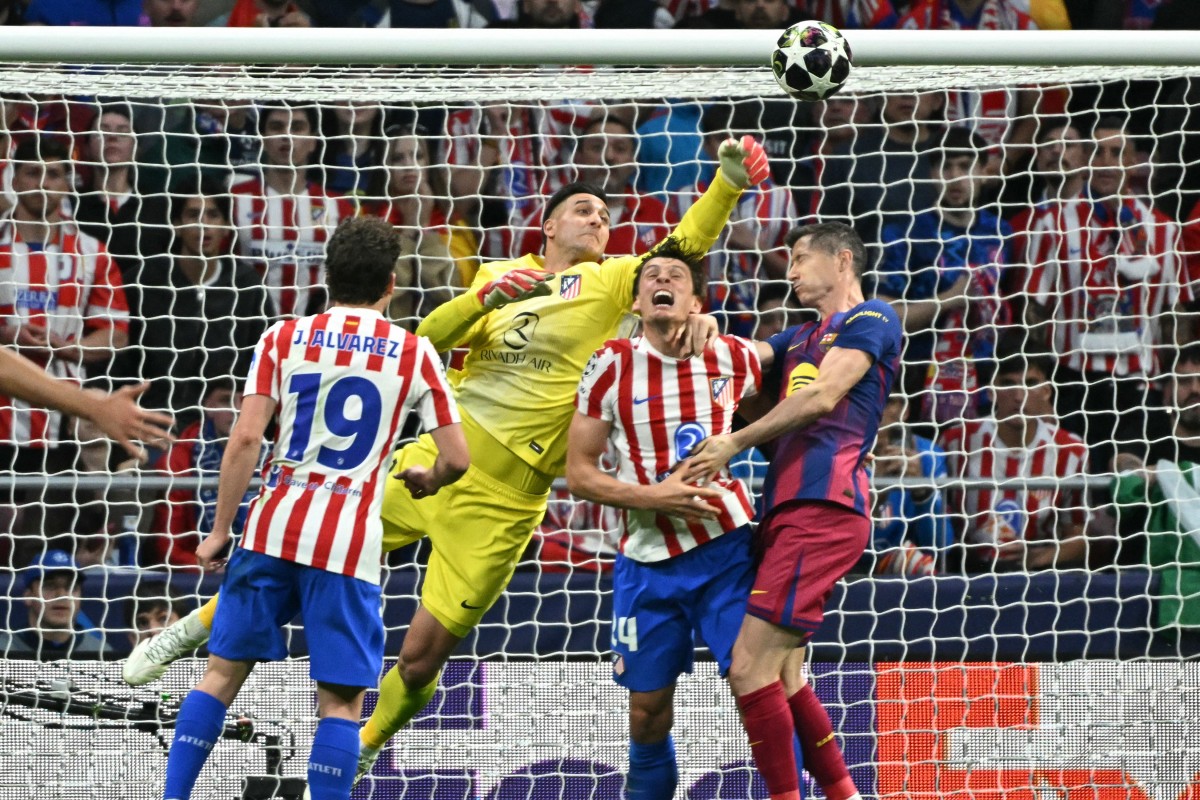
This season’s first Clasico arrives in late October when Madrid visit Barcelona, and it’s already generating enormous anticipation. The prospect of Mourinho facing Flick’s defending champions carries echoes of those Guardiola battles that defined an era.
Two months to build a dynasty
Between now and that October showdown, starting at Espanyol on Saturday, Mourinho has eight weeks to get his team fit, firing and crucially, all on the same page.
It’s a compressed timeline to implement his philosophy, solve the attacking balance riddle, forge team unity from disparate egos, and convince superstars to sacrifice individual glory for collective success.
But if anyone possesses the personality, track record and sheer force of will to pull it off, it’s the man who once declared himself “The Special One” before winning everything there was to win.
Mourinho Mark II arrives in Madrid more mature, more experienced, and facing perhaps his greatest challenge yet, restoring one of football’s greatest institutions to its rightful position atop Spanish football.
The mission begins this weekend in Barcelona. By late October, we’ll know if the Special One still has the magic to make the impossible possible.
Welcome back, Jose. Spanish football is about to get very interesting again.