

JOHANNESBURG – When world leaders arrive in Johannesburg this month for the G20 summit, they will encounter a city that has been hastily scrubbed, patched, and polished in a last-minute effort to disguise years of urban decay.
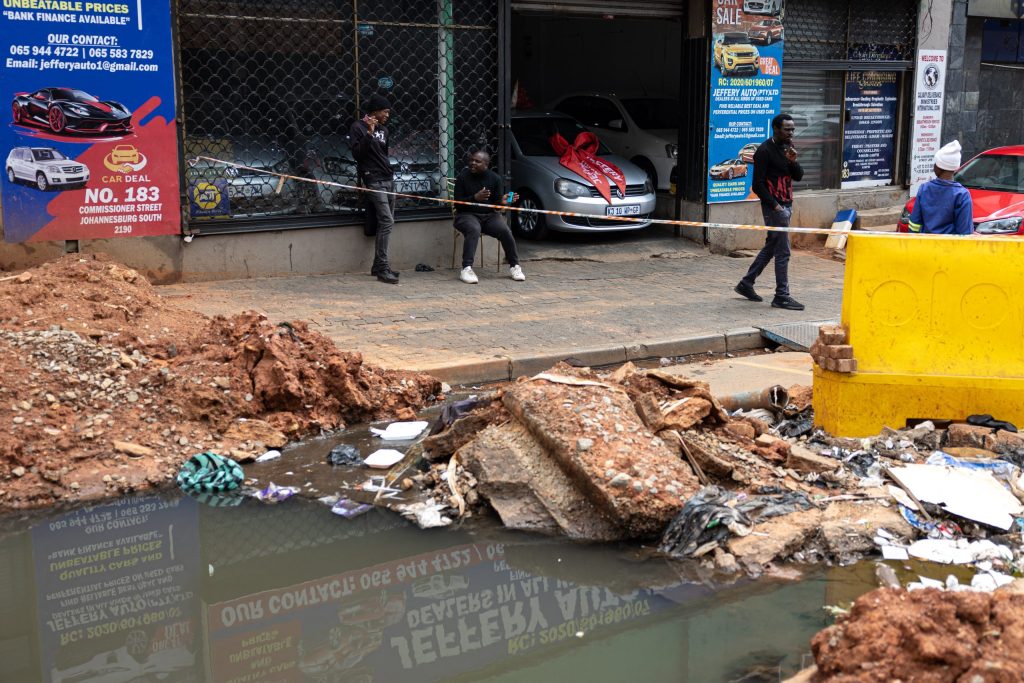
The sprawling metropolis of nearly six million people, home to Africa’s richest square mile, has fallen into disrepair in recent years. Open sewers, potholed roads, and crowded shacks of corrugated iron line its fraying edges, prompting President Cyril Ramaphosa to call the city’s condition “not pleasing.”
Determined to spare Africa’s industrial powerhouse from global embarrassment, Ramaphosa ordered a comprehensive clean-up. Soon after, bulldozers rolled through the streets.
“It is such a huge shame it had to take other people coming to South Africa for action to be taken,” said Abigail Thando, 34, an insurance broker working in Johannesburg’s student district.
Municipal trucks now haul garbage while private contractors widen junctions overlooking the iconic Nelson Mandela Bridge. Yet for many residents, the transformation feels superficial and fails to address their daily struggles.
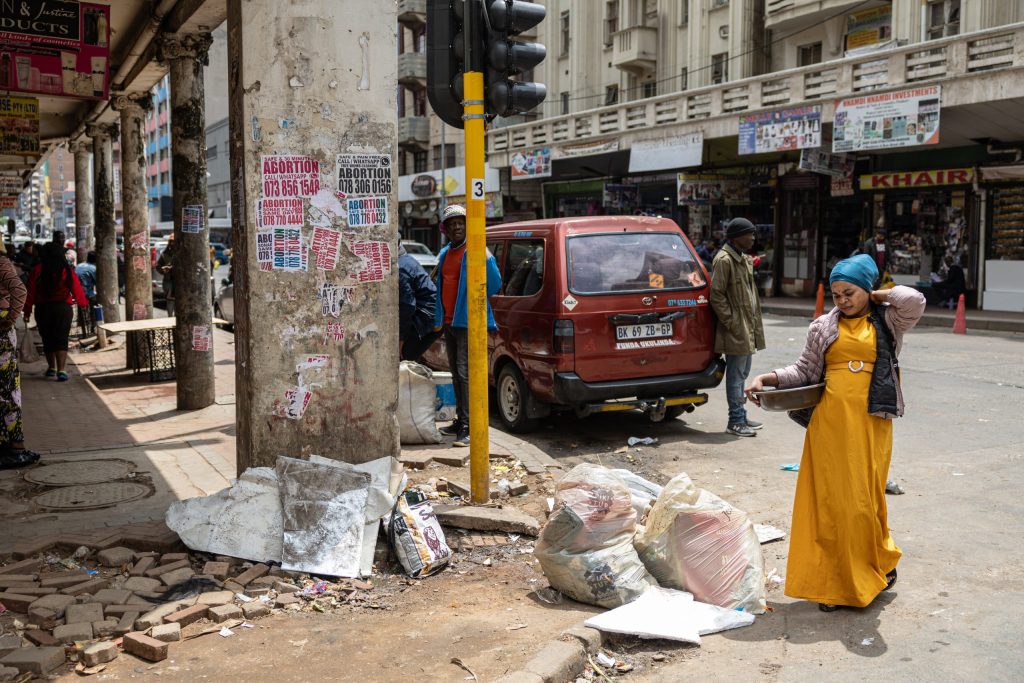
Garbage recycler Ricco Tshesane, 43, criticized the focus on high-visibility areas while poorer neighborhoods remain neglected. “There is no improvement,” he said, pointing to chronic water shortages and relentless power outages plaguing his community.
Several families in his area share a single outdoor toilet, and taps run dry for weeks at a time. These conditions have sparked near-weekly protests that sometimes erupt into clashes with police.
Under South Africa’s constitution, clean water, sanitation, and electricity are basic human rights that municipalities must provide to all residents, including those in informal settlements. For many, however, these promises remain unfulfilled.
“People who are living on the streets are being taken out with force, without alternatives,” Tshesane added.
Johannesburg wasn’t always in such dire straits. Born from a gold rush in the 1880s, the city earned the nickname “City of Gold” as the country’s economic heartland.
But decades of mismanagement and corruption have hollowed out its core, forcing most major firms to relocate to security-fenced suburbs like Sandton. Abandoned buildings in the city centre have been hijacked and are now controlled by criminal syndicates who collect rent from squatters, many of them undocumented migrants.
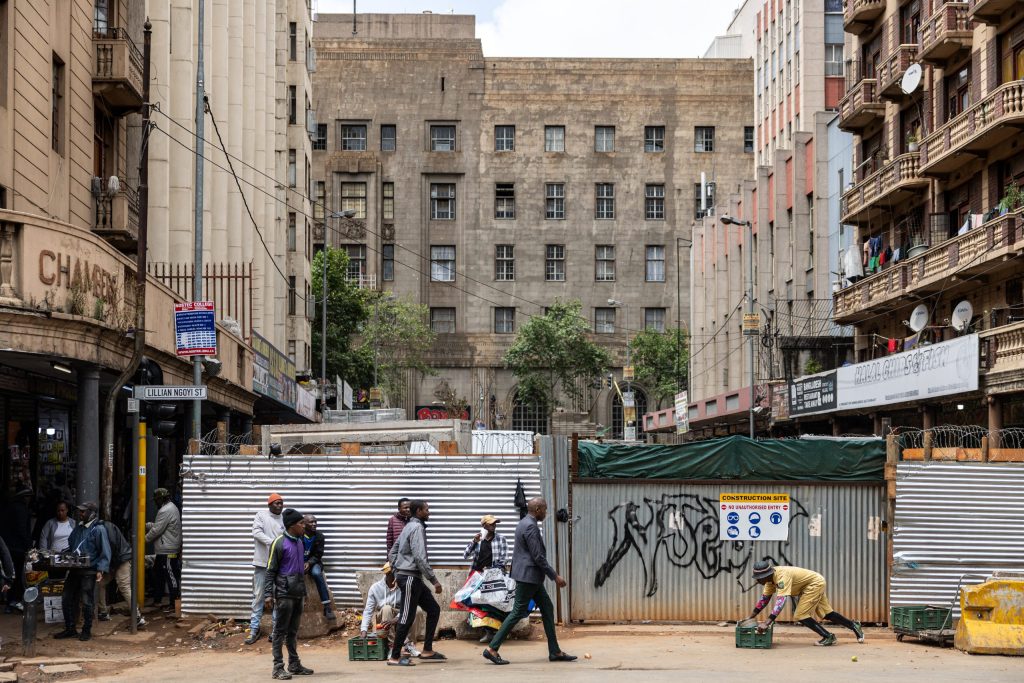
The housing crisis reached tragic proportions in 2023 when more than 70 people died in a fire at a five-story municipal building that had been listed as a heritage site.
“I wish all the money was first channelled to fixing our housing crisis. Then we can worry about putting cute signs for the presidents coming,” said Liz Makana, a 21-year-old nursing student.
Not everyone is complaining about the clean-up efforts. Near the summit venue, gardener Aphiwe planted fresh red flowers beside a G20 logo stencilled onto a concrete slab while nearby tree trunks were wrapped in blue, yellow, and green fabric.
“The big win for someone like me is that we finally have some work to do,” said Aphiwe, who provided only her first name. “We can feed our children.”
Within days, however, the bright display was defaced with red graffiti calling for job creation—a stark reminder that unemployment in the country stands at nearly 32 percent.
Responding to public discontent, the government has acknowledged falling short of citizens’ expectations and admitted that public anger is justified.
Fresh from a visit to Asia, Ramaphosa defended the cleanup as a benchmark for broader reform across Johannesburg. “In making sure that we welcome our visitors and as they leave, we must then insist that what we have done and seen done must continue,” he told parliament last week.
For Tshesane, however, the cleanup comes too late to matter, even for visiting G20 leaders. “Change must be a regular thing. They must take care of the city every day,” he said.
Uber driver Gracious, in her 50s, echoed this sentiment: “I can see they are now busy fixing potholes they pretended not to see. How can you sweep your house only when you have visitors?”
Things to know about the G20:
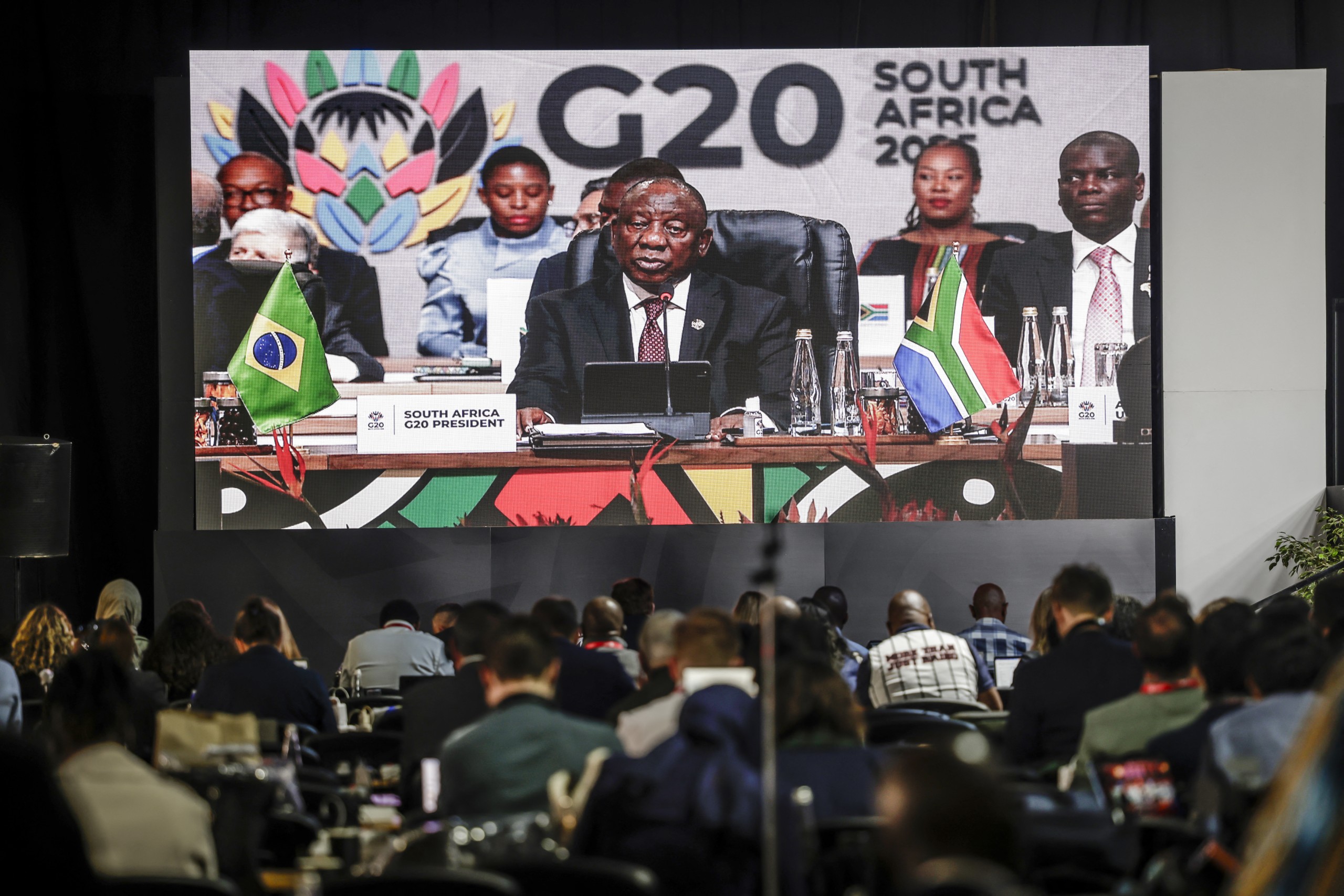
The Group of Twenty (G20) is the premier forum for international economic cooperation, comprising 19 countries plus the European Union and African Union. The organization addresses major global issues including international financial stability, climate change mitigation, and sustainable development.
G20 member countries include: Argentina, Australia, Brazil, Canada, China, France, Germany, India, Indonesia, Italy, Japan, Republic of Korea (South Korea), Mexico, Russia, Saudi Arabia, South Africa, Türkiye, United Kingdom, and the United States. The European Union and African Union participate as regional bodies.
Together, G20 members represent approximately 85% of global gross domestic product, over 75% of international trade, and about two-thirds of the world’s population.
As the first African nation to hold the G20 presidency since the forum’s inception, South Africa’s leadership in 2025 is historically significant. The presidency allows the country to champion Global South priorities under the theme “Solidarity, Equality, Sustainability.”
For South Africa, hosting the summit brings several benefits: enhanced international profile, strengthened diplomatic ties, increased foreign investment opportunities, and a platform to advocate for reforms in global financial systems. The presidency also enables South Africa to push for debt relief, climate finance, and fairer credit ratings for developing countries.
However, the summit also brings intense scrutiny of the country’s domestic challenges, as evidenced by the rushed urban clean-up efforts in Johannesburg ahead of the leaders’ arrival.
ALSO READ: Joburg’s civil society demands action on the water crisis



You must be logged in to post a comment.