


A Japanese prefecture governor made an unprecedented call for military assistance Tuesday as deadly bear attacks across the country reached record levels, with 10 fatalities confirmed this year – surpassing the previous high of six deaths.
Kenta Suzuki, governor of northern Akita prefecture, appealed directly to Japan’s defense minister, warning that “the lives of our citizens cannot be protected without the help of the Self-Defense Forces.”
“Attacks targeting the neck and face are extremely common, resulting in a truly dire situation,” Suzuki told Defense Minister Shinjiro Koizumi during the urgent meeting.
Crisis beyond mountain regions
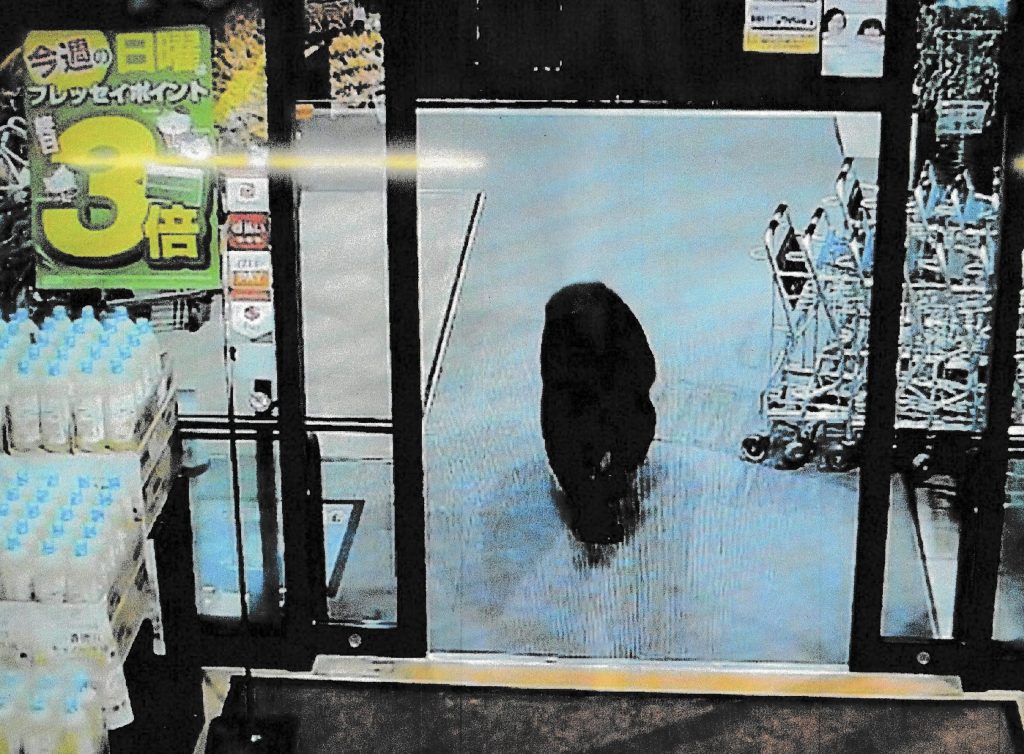
The escalating crisis has moved beyond Japan’s mountainous regions, with bears now appearing in urban areas, stores, and near schools and parks. Suzuki described the situation as “abnormal,” noting how the daily lives of all residents have been disrupted by the constant threat.
The latest victim was attacked alongside three other people in a mountain village in Akita last week, according to an environment ministry official who monitors bear attacks. However, the death toll may climb higher, as a woman was found dead Monday near rice fields in Akita, and a man and his dog were discovered deceased in neighboring Iwate—both showing signs of bear attacks.
Climate change and population decline drive crisis
Experts attribute the surge in bear encounters to multiple factors, including Japan’s declining human population and climate change effects. Warmer weather has disrupted bear hibernation patterns, while food shortages—particularly acorns—have driven hungry bears into populated areas.
“Hungry because of a shortage of food like acorns—which has been blamed on the influence of climate change—the animals are venturing more into towns where the human population is ageing and dwindling,” environmental officials explained.
Japan hosts two bear species: Asian black bears (also called moon bears) and the larger brown bears inhabiting Hokkaido. Brown bears can weigh up to half a tonne and outrun humans, making encounters particularly dangerous.
Government response
Defense Minister Koizumi responded to Suzuki’s plea by promising the government would “make the utmost use of the capabilities and authority” to restore public safety.
Environment Minister Hirotaka Ishihara acknowledged the severity of the situation last week, calling bear attacks “a big problem, a serious problem.”
“We are committed to further strengthening various measures including securing and training government hunters and managing the bear population,” Ishihara told reporters.
The crisis is compounded by Japan’s aging population, which has led to a decline in licensed hunters traditionally responsible for managing bear populations. While many bears are shot annually, the reduced number of hunters has limited population control efforts.
The request for military intervention marks a significant escalation in Japan’s response to what has become a nationwide wildlife crisis affecting both rural and urban communities.



You must be logged in to post a comment.